







Late-Night Eating Linked to Increased Liver Disease Risk
A recent study has found that consuming food after dinner or before bedtime is associated with a higher likelihood of developing liver conditions.
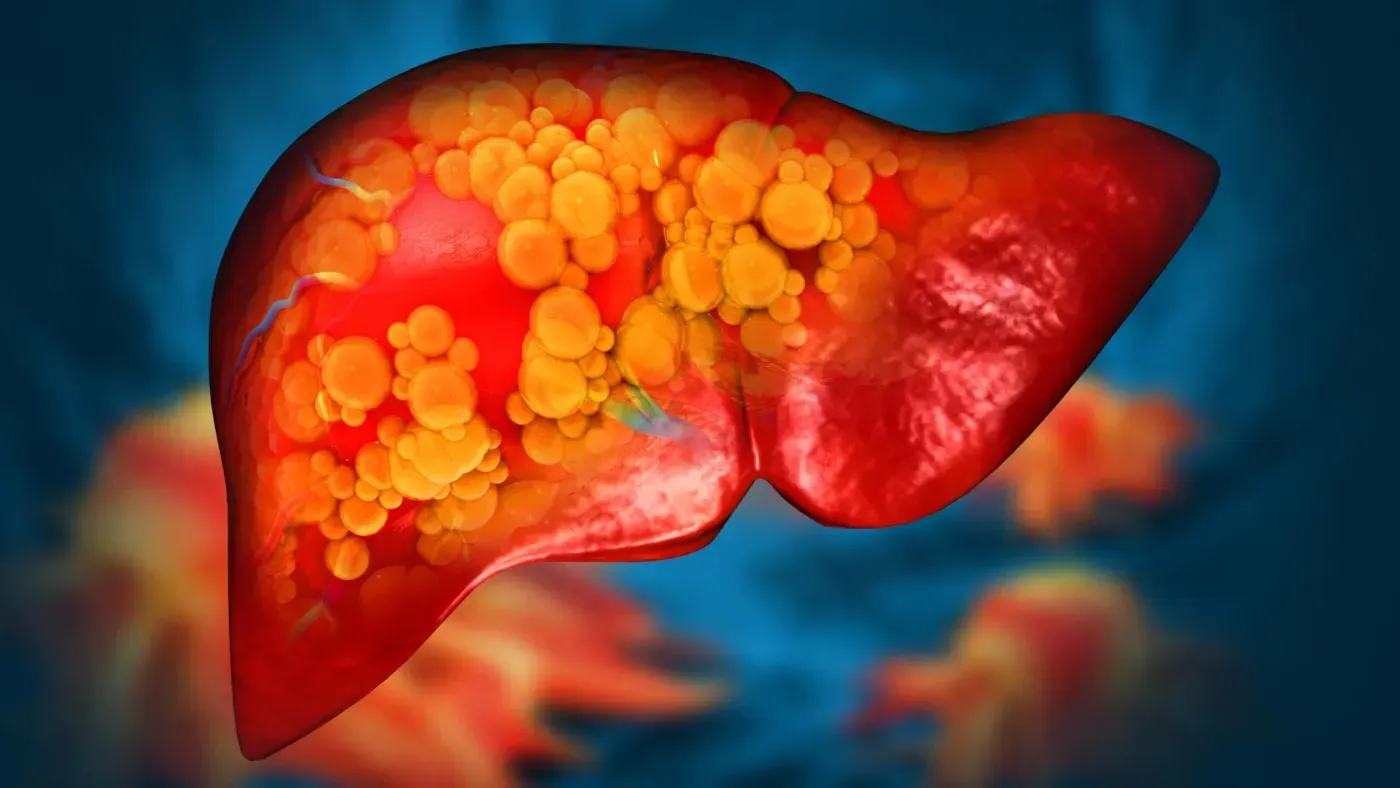
A recent study has revealed a surprising link between eating late at night and an increased risk of liver disease. Researchers at Oregon Health & Science University found that consuming food after dinner or before bedtime is associated with a higher likelihood of developing liver conditions.
The study, which was published in Clinical Gastroenterology and Hepatology, discovered that individuals who regularly eat late have a 20% to 30% greater risk of liver disease compared to those who avoid eating in the evening. This increased risk includes conditions such as fatty liver disease and cirrhosis, a serious condition characterized by extensive scarring of the liver.
Previous research has already established a connection between late-night eating and other health issues, including obesity and cardiovascular problems. However, this study aimed to determine whether there is also a link between eating habits and liver disease.
The researchers analyzed data from three major nationwide studies involving nearly 200,000 participants. This large-scale examination provided valuable insights into the relationship between eating patterns and liver health.
Lead author Robert Wilechansky, a hepatologist at Oregon Health & Science University who specializes in liver transplantation, notes that while some previous studies have hinted at this connection, his team's findings are among the first to explicitly draw a link between late-night eating and fatty liver disease.
The study analyzed data from nearly 200,000 participants who shared information about their eating habits and lifestyle factors. The researchers grouped these individuals based on when they typically ate, comparing this to reports of fatty liver disease and cirrhosis.
A consistent association emerged between late-night eating and a higher risk of liver disease. Participants who reported consuming meals in the evening had a 20% to 30% increased likelihood of developing liver problems compared to those who did not eat at night.
Fatty liver disease affects approximately 30% of the US population, with excess fat accumulation in the liver often leading to inflammation and damage that can progress to cirrhosis. However, most individuals with fatty liver disease do not go on to develop advanced scarring.
The body's natural circadian rhythms may play a role in this phenomenon, influencing sleep, metabolism, and other bodily functions throughout the day. This internal biological process could potentially be linked to the timing of meals and its impact on long-term liver health.
The liver plays a crucial role in processing nutrients, regulating blood sugar levels, and managing energy storage and utilization. Its sensitivity to circadian rhythms makes it particularly vulnerable to disruptions caused by eating at irregular times.
Research has shown that people who work night shifts are more likely to experience metabolic problems, including obesity and heart disease. This has led scientists to investigate whether irregular eating patterns could be contributing to these issues, including the risk of liver disease.
The internal biological clock sends signals to the body to prepare for sleep at specific times, but eating during this period can interfere with normal physiological processes. By altering meal times, individuals may be able to mitigate potential negative effects on their health without having to change their diet composition.
Changing when meals are consumed could be a more manageable approach than drastically altering one's eating habits. This prospect is especially appealing given the growing body of evidence indicating that the timing of daily activities has significant implications for overall well-being.
The findings underscore the importance of considering the timing of everyday behaviors, including sleep, eating, and exercise. As research continues to shed light on this topic, it becomes increasingly clear that the internal biological clock plays a critical role in determining how effectively the body can metabolize food and maintain optimal health.
The liver is one of the organs most susceptible to disruptions in the normal relationship between eating and sleeping, according to previous animal studies.
These findings suggest that a mismatch between our internal biological clock and external meal times may have significant implications for our health.
A recent observational study has identified a link between late-night eating and an increased risk of liver disease. However, it's essential to note that this research cannot establish cause and effect.
The analysis relied on participants' self-reported information about their eating habits, which may not be entirely accurate due to the broad descriptions provided.
The findings suggest that liver health may be influenced by more than just diet. The study's results indicate that eating late at night could potentially contribute to a higher risk of liver disease.
This new perspective on liver health highlights the importance of timing in relation to food consumption. A significant percentage of people may be able to reduce their risk of liver disease simply by adjusting their meal schedule, rather than making drastic changes to their diet.
Further research is needed to confirm these findings and determine the full extent to which eating habits impact liver health.
Facts based on reporting originally published by ScienceDaily Health.
You may republish this story, in full or in part, if you credit Noti Group and link to it (licence CC BY 4.0). Photos are not included.