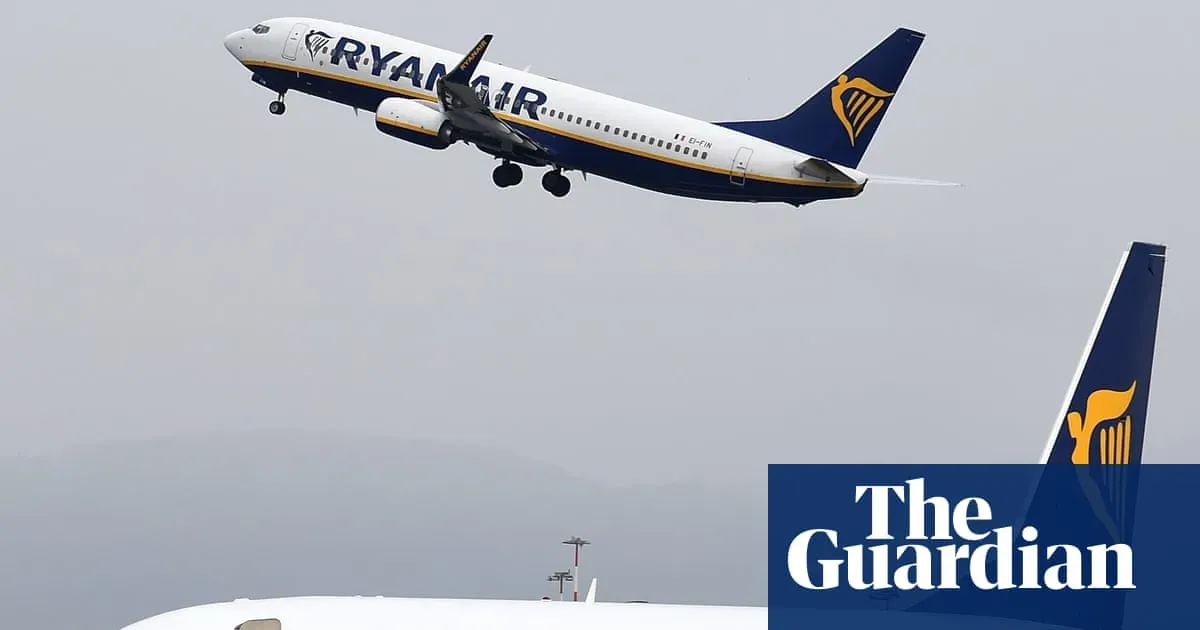







Ryanair planes searched for explosives in Rome
Multiple airlines and countries have been targeted by suspected bomb threats, prompting an investigation into the authenticity of the claims.
Seven passenger flights across Europe have been targeted in suspected bomb threats, prompting an investigation into the authenticity of the claims.
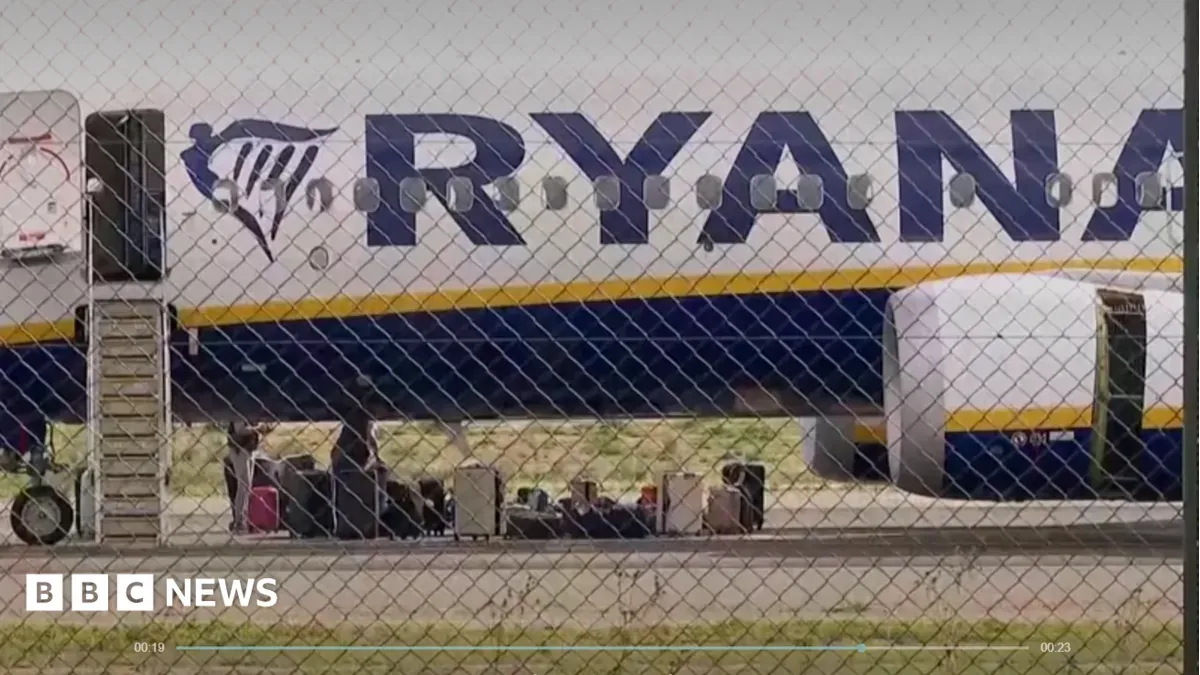
The incidents involved multiple airlines and countries, including the UK, where two Ryanair planes departing from Dublin and Lisbon were searched after landing in Rome following anonymous tips. The searches took place at Rome's Fiumicino airport, which confirmed that no explosives were found on board either aircraft.
Italian authorities took precautions by escorting one of the planes, which originated from Dublin, to the ground with the assistance of the Italian Air Force. Other countries affected include Poland, Spain, and Bulgaria, where flights were also inspected for potential security threats.
While officials have not linked the incidents directly, they will be working together to assess whether this was a coordinated attack designed to disrupt air travel across Europe. Authorities are treating the situation seriously despite no explosives being found on any of the planes involved in the searches.
The UK government has described the bomb threats as "malicious hoax threats", and emphasized its robust aviation security system, which is capable of handling potential risks and malicious calls.
Airline staff must carefully assess the credibility of bomb threats before taking any action, according to industry insiders.
This process involves multiple steps and can be time-consuming, as onboard crew and ground operators work together to validate the threat level. If deemed necessary, a flight may be rerouted for further inspection or investigation.
In some cases, passengers on board may not even be informed about the nature of the threat being assessed by authorities. This lack of transparency is part of standard security procedures designed to minimize disruption and ensure public safety.
Airports in Italy and Spain have confirmed that multiple flights were cleared after thorough inspections found no evidence of explosives or other hazards.
Passengers on a flight from London to Warsaw describe their experience after being evacuated due to a suspected bomb threat. According to one passenger, Sarah, the plane was surrounded by fire engines and police shortly after landing, and all passengers were escorted off with their belongings left behind.
It's understood that two flights heading to Warsaw were affected, including one from London Heathrow. The original plan for this flight was to land at Chopin airport in Warsaw, but it was diverted instead to the smaller Modlin airport, forcing a brief closure of the facility. Meanwhile, another Scandinavian Airlines flight from Copenhagen to Warsaw-Chopin landed as scheduled.
Bomb threats were also reported against two planes arriving in Sofia, Bulgaria's capital. Transport Minister Georgi Peev revealed that these flights originated from Bergamo in northern Italy and Dublin in Ireland. Despite the alarm, the planes were not diverted and no explosives were found when they were checked by authorities.
The Bulgarian minister made his comments to the state-owned news agency BTA on Tuesday.
Bulgaria's border police were alerted to a potential security threat at 10:35 local time (08:35 GMT) when they received an email warning of an improvised explosive device on a flight returning from Bergamo.
The authorities immediately activated standard procedures for such incidents and convened an operational headquarters comprising representatives from various institutions, including the country's aviation agency, police, and emergency services.
A second threat was reported in the same email, this time targeting aircraft arriving from Dublin, prompting further action to ensure public safety. The border police did not disclose any additional details about the specific flights affected or the nature of the threats made.
Aviation experts say that when a bomb threat is issued, crews will conduct quiet searches of sensitive areas on board, including toilets and storage compartments, without touching any suspicious items unless they must be moved to a designated safe location.
The aircraft's captain is faced with a complex decision when assessing a suspected bomb threat on board. Multiple factors come into play, including the facilities available at the airport where they are being diverted and the possibility of continuing onwards if it turns out to be a false alarm.
Once on the ground, passengers are typically disembarked and the plane taken to an isolated stand for police and bomb disposal teams to search it thoroughly.
Facts based on reporting originally published by BBC News World.
You may republish this story, in full or in part, if you credit Noti Group and link to it (licence CC BY 4.0). Photos are not included.