






Russia Plans Nuclear-Armed Satellite Launch
Western intelligence officials are expressing growing concern about Russia's development of a nuclear-armed satellite capability.
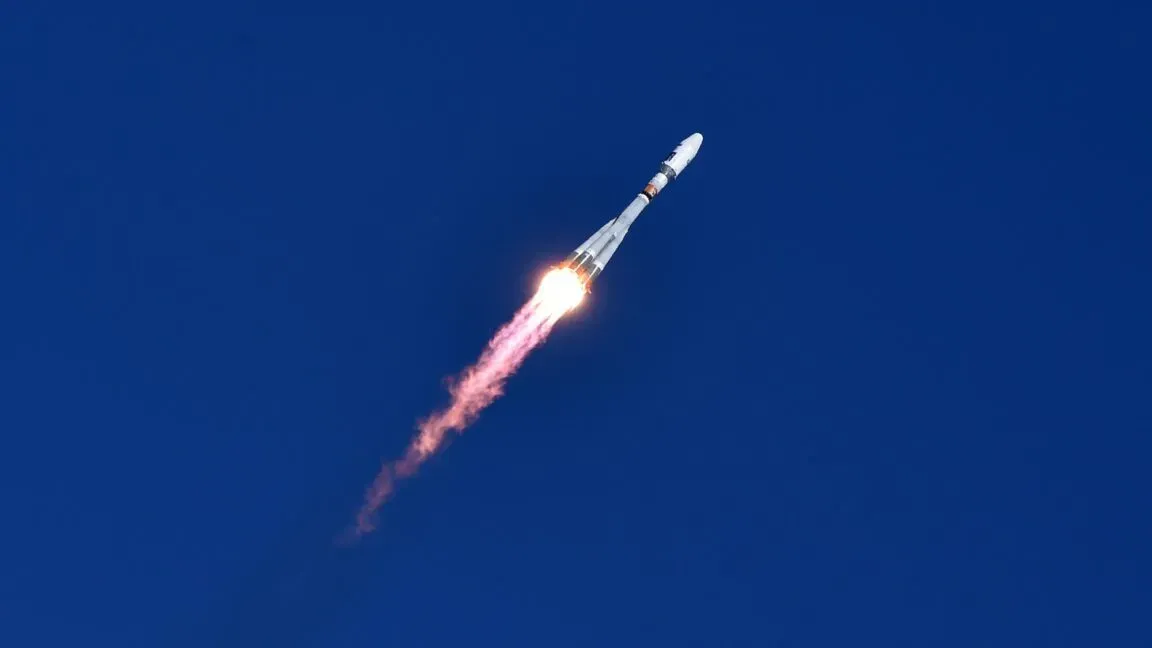
Reports are emerging that Russia may launch a nuclear-armed satellite into Earth's orbit as soon as next month, according to Western intelligence officials who are expressing growing concern about the development of such a capability. This move would not only pose a significant threat to thousands of satellites in low-Earth orbit but also have far-reaching implications for global communications and military operations.
The potential launch is said to be imminent, with some estimates suggesting it could occur before the end of the year. A nuclear-armed satellite would put at risk Western military surveillance systems, human spaceflight platforms like the International Space Station, and commercial communications networks such as Starshield and Starlink. In addition, a nuclear detonation in orbit would have indiscriminate effects, potentially knocking out not only foreign but also Russian spacecraft and Chinese satellites.
Details of Russia's plans were first revealed to US lawmakers earlier this year when they were briefed on government intelligence regarding the country's ambitions to deploy a space-based nuclear weapon. At that time, officials confirmed that Russia had launched a test satellite in 2022 with the aim of testing the effects of radiation on space hardware and paving the way for a future nuclear-armed craft.
Experts warn that a nuclear-armed satellite would pose significant challenges for global security, as well as the stability of Earth's orbit. The exact timing and nature of Russia's plans remain unclear, but one thing is certain: the implications of such a move would be far-reaching and potentially catastrophic if not addressed.
Reports are emerging from Germany that Russia may be preparing to launch a nuclear-armed satellite into orbit as soon as next month.
According to Western intelligence agencies, including the German Armed Forces and Federal Intelligence Service, Russia is believed to be readying the Sputnik-S satellite for deployment in space this year. Several NATO countries have reportedly shared their findings on the matter, fueling concerns about a potential breach of international agreements.
The Sputnik-S satellite has been stored in the greater Moscow area for years, but German Space Command now believes it could be launched as early as December. Once in orbit, a nuclear-armed satellite like this one would pose a significant threat to global security.
Dmitry Peskov, spokesperson for Russian President Vladimir Putin, dismissed reports of the planned launch, calling them "hardly worth taking seriously" due to their speculative nature and lack of concrete evidence.
German Chancellor Friedrich Merz was asked about reports of Russia's potential nuclear launch at a press conference on Monday but chose not to comment on timing.
The news that Russia is planning to arm space with nuclear weapons has been circulating for some time, but it remains a shocking development nonetheless according to Merz. He noted that the situation highlights Russia's apparent willingness to escalate tensions. The extent of this escalation is a matter of concern.
Reports from Germany published on Monday come after US military intelligence highlighted the threat posed by a Russian nuclear-armed satellite last month. The warning was part of a broader assessment of challenges to security in space. According to the report, Russia is developing a satellite capable of carrying a nuclear payload despite being bound by international agreements, including the 1967 Outer Space Treaty.
A Russian nuclear-armed satellite could have severe consequences, causing widespread disruption to global communications and navigation systems, as well as scientific research and commercial operations. Radiation belts left behind would also pose a long-term threat, potentially damaging satellites that were initially only temporarily affected.
The Pentagon's reliance on satellites for military operations has been steadily increasing over the years. Decades of using satellites for navigation, strategic communications, missile warning, and surveillance have shown their value in supporting US forces. This trend is set to continue as the US military launches new satellites to support real-time targeting of missiles, aircraft, and land and sea vehicles.
The integration of space platforms into a wider array of operations has become a key component of the Pentagon's strategy. The confirmation by the Space Force that it has placed unspecified weapons in orbit in September adds another layer of complexity to this development. As the number of satellites in orbit continues to grow, so does the risk of conflict over access to these vital assets.
China, with its second-highest number of operational satellites, is likely to be significantly impacted by any nuclear detonation in orbit after the United States. However, despite the potential risks, Chinese leaders have remained tight-lipped on Russia's nuclear-armed satellite program. This silence may be due to China's own strategic priorities and concerns about the security implications of such a development.
The US Space Force has been closely monitoring Russia's activities in space, including its testing of what officials describe as a kinetic anti-satellite weapon. If operationalized, this system could allow Russia to target satellites with projectiles fired from one satellite toward another.
Russian military satellites have been placed in orbits close to advanced US spy satellites known as Keyhole-class, raising concerns about potential vulnerabilities. A recent incident saw a Russian satellite narrowly avoid colliding with a commercial radar reconnaissance satellite operated by Finnish company ICEYE, which provides critical surveillance imagery to the Ukrainian military.
The capabilities demonstrated by Russia so far would likely have limited impact on robust satellite networks like Starlink or the Pentagon's new airborne and ground targeting systems. However, a nuclear detonation in orbit could pose a catastrophic threat to entire satellite constellations, potentially disrupting global communication and navigation networks.
Facts based on reporting originally published by Ars Technica.
You may republish this story, in full or in part, if you credit Noti Group and link to it (licence CC BY 4.0). Photos are not included.