


Waymo Pulls Robotaxis Off Freeways for Second Time This Year
The autonomous vehicle industry is facing setbacks as Waymo pulls its robotaxis off freeways, while Zoox launches on the Uber app.
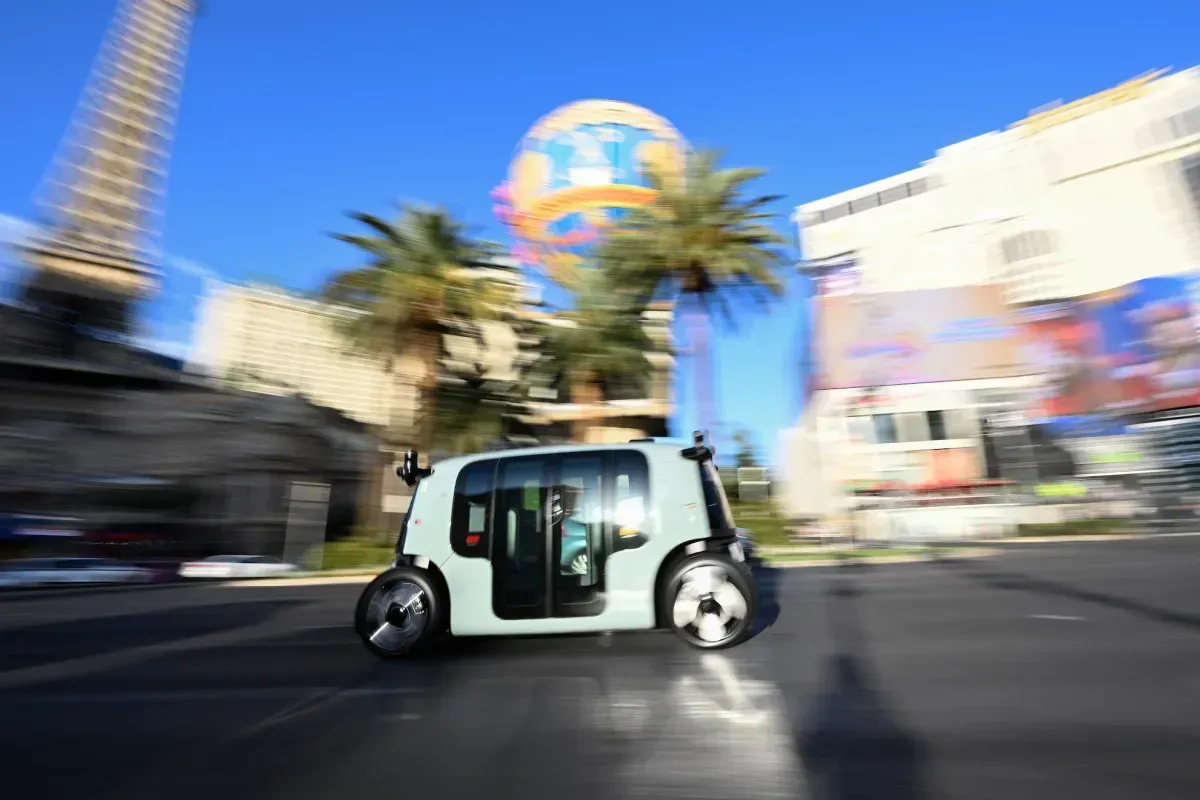
Autonomous vehicles are facing setbacks and progress in equal measure, as seen in recent developments involving Waymo and Zoox robotaxis.
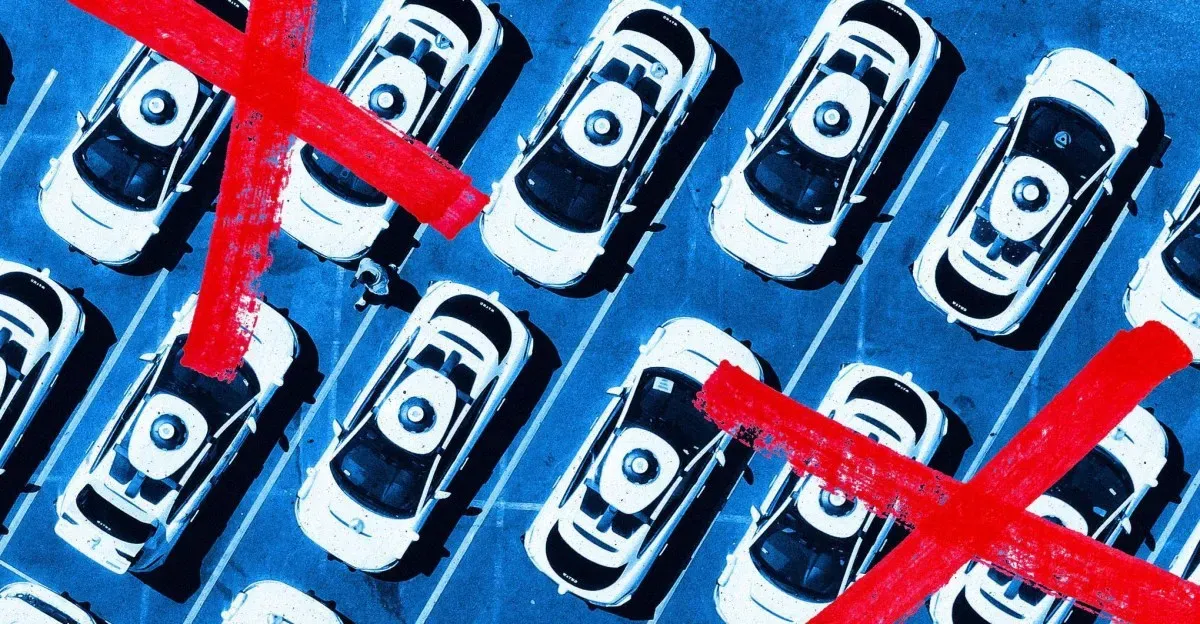
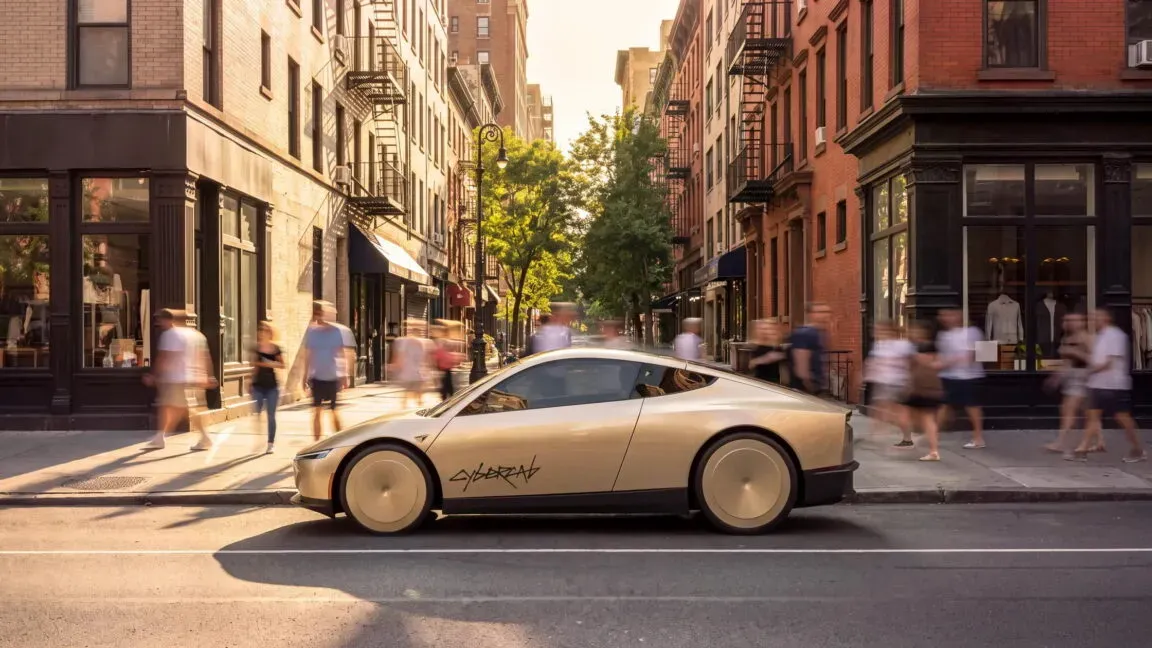
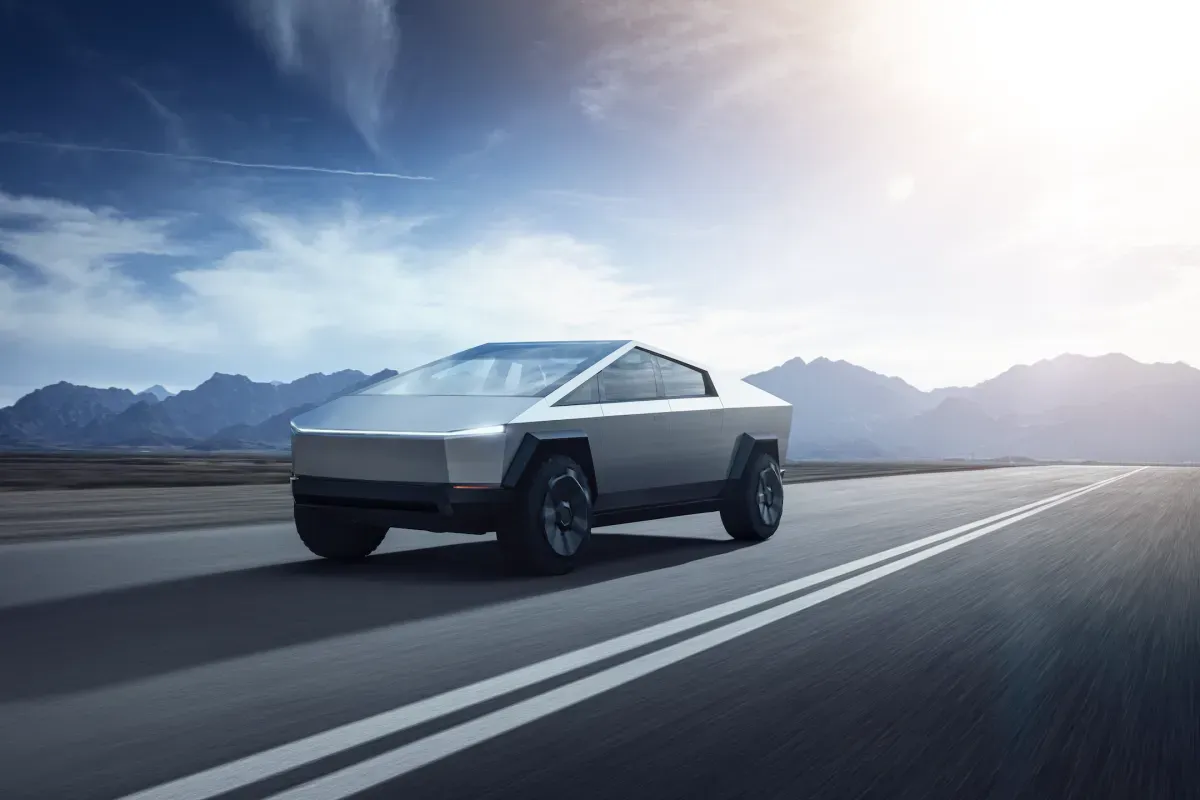
Waymo has pulled its robotaxis off freeways for the second time this year, while Zoox is launching on the Uber app, highlighting the challenges the industry is facing. Despite these obstacles, there are signs of growth, with one notable example being Tesla's increasing presence in Texas, where it now surpasses Waymo in the number of registered robotaxis.
Tesla has 1,507 registered robotaxis in Texas, while Waymo has 1,345, raising questions about what this means for market dominance. However, another metric - commercial driverless miles - could provide a more accurate picture of who is leading. By this measure, Waymo still appears to be ahead, based on available data.
The autonomous vehicle industry is not necessarily looking for a single winner, given its deeply fragmented nature and the potential for multiple players in different regions. This diversity could lead to innovative solutions and approaches that benefit consumers.
A recent conversation with co-host Ed Niedermeyer sparked an idea: Las Vegas could soon become a real-world A/B test of human-driven versus autonomous ride-hailing services, with various companies vying for market share.
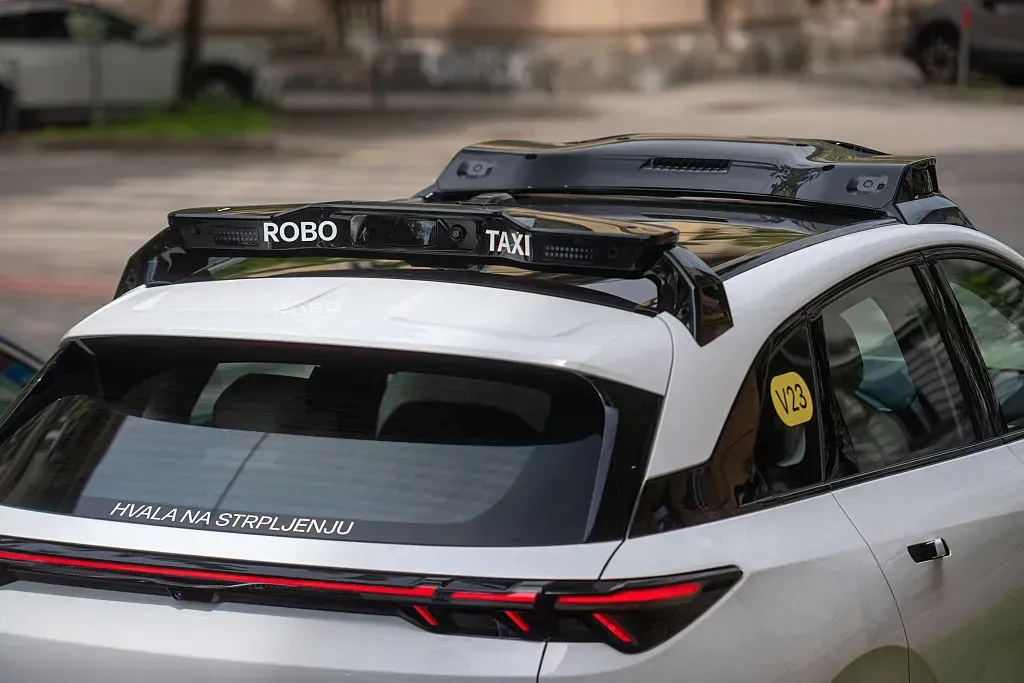
Las Vegas has become a testing ground for ride-hailing services, with Uber recently adding Zoox's robotaxis to its app in the city. Riders can opt-in to increase their chances of getting a robotaxi, but they don't have direct control over which type of vehicle they get.
Uber customers will soon be able to choose between human drivers and autonomous vehicles, according to CEO Dara Khosrowshahi. The company plans to introduce a dedicated autonomous option in its app as the technology improves. Las Vegas is set to become the first US city where riders can access two fully driverless partners through the Uber app.
This development could give customers a meaningful choice between human drivers and robotaxis, potentially even allowing them to select which autonomous service they want to use. The availability of multiple options might also provide valuable insights into what customers prefer when given a choice. Price may play a significant role in tipping the balance.
As more companies enter the market, concerns about organized labor could arise if robotaxis begin competing directly with human drivers. This raises questions about the potential impact on employment and the future of ride-hailing services. The situation is becoming increasingly complex as multiple players vie for market share.
General Motors' CEO Mary Barra may soon face competition in her role, according to recent reports that suggest the company is searching for candidates to replace her. Rumors have been circulating about her potential departure for months, and this latest development appears to be more than just speculation.
The search for a new CEO at General Motors continues to gain momentum, with several high-profile candidates reportedly being considered.
According to one source close to the matter, the executive search firm Heidrick & Struggles is working on behalf of the GM board to identify potential successors to Mary Barra. The firm's efforts are part of a broader two-track approach to the search, which is taking place simultaneously with other initiatives.
Traditional yet transformative automotive CEOs are among those being considered for the top job at General Motors. One name that has been floated by Heidrick & Struggles is José Muñoz, who currently serves as president and CEO of Hyundai.
Less traditional candidates are also on the radar, including Doug Field, who recently took over as CEO of Mind Robotics, and Larry Culp, who leads GE. These names have reportedly been suggested by the executive search firm in an effort to identify innovative leaders for GM.
Internal candidates at General Motors, such as Sterling Anderson and Paul Jacobson, are also being considered for the top job, according to sources close to the matter.
The latest funding rounds for various mobility startups and companies have been announced, with Numa securing $45 million in Series C funding led by Blue Cloud Ventures. Threshold Ventures, Costanoa, Touring Capital, Gradient Ventures, and Tokio Marine Future Fund also participated in the round. The funds will be used to further develop Numa's AI operating system for dealerships.
Stark Future, a European electric motorcycle company, has raised at least €150 million in equity, according to Reuters. Highland Europe led the raise, alongside 1GT and Axon Partners Group. This significant investment is a testament to the growing demand for sustainable transportation options.
Vincue, an automotive tech company that sells software to dealerships, has raised $93 million in a round led by Wavecrest Growth Partners. FM Capital continued its backing of Vincue with this latest funding round. The funds will be used to further develop Vincue's software offerings and expand the company's reach.
However, not all news is positive for electric micromobility startups. The Verge reported that Also has paused deliveries of its new e-bike due to problems with its software and batteries. This setback highlights the challenges faced by companies in this space as they strive to bring innovative products to market.
The automotive industry continues to experience record-breaking sales, with Edmunds releasing data showing that the average new vehicle is selling for a staggering $50,087. This figure underscores the growing demand for vehicles, particularly those with advanced features and technologies.
Redwood Materials is using cutting-edge technology to identify and sort batteries by chemistry before processing them in its rotary calciner. The company's innovative approach aims to increase efficiency and reduce waste in the battery recycling process.
Uber has expanded its ride-hailing service to include children as young as 10 years old in three U.S. cities, building on an existing program for teenagers. The move aims to tap into a new market of customers - busy families who may need transportation for their kids.
The company's decision to notify nearly 150,000 drivers about the theft of their personal information in a data breach from October has also raised concerns about driver safety and security. This incident serves as a reminder that even major companies can be vulnerable to cyber threats.
Zipline's partnership with Uber is gaining momentum, with the two companies launching a drone delivery service in a Houston suburb this week. The goal is ambitious: they aim to make one million deliveries per day using Zipline's drones by 2029.
Ro Gupta, head of Woven Capital - Toyota's growth fund, has been at the forefront of innovation in autonomous vehicles. In a recent conversation, he discussed the evolution of AV technology and where Toyota is interested in investing its resources.
The evolution of Autonomous Vehicle (AV) technology is a key area of interest for Toyota, which is looking to invest its resources in this emerging field.
Toyota's focus on AVs is part of a broader effort to improve road safety and reduce the environmental impact of transportation. The company has been actively exploring various technologies, including artificial intelligence and sensor systems, to advance its AV capabilities.
The potential benefits of AV technology are significant, with the ability to significantly reduce accidents caused by human error and minimize greenhouse gas emissions from vehicles.
Facts based on reporting originally published by TechCrunch.
You may republish this story, in full or in part, if you credit Noti Group and link to it (licence CC BY 4.0). Photos are not included.