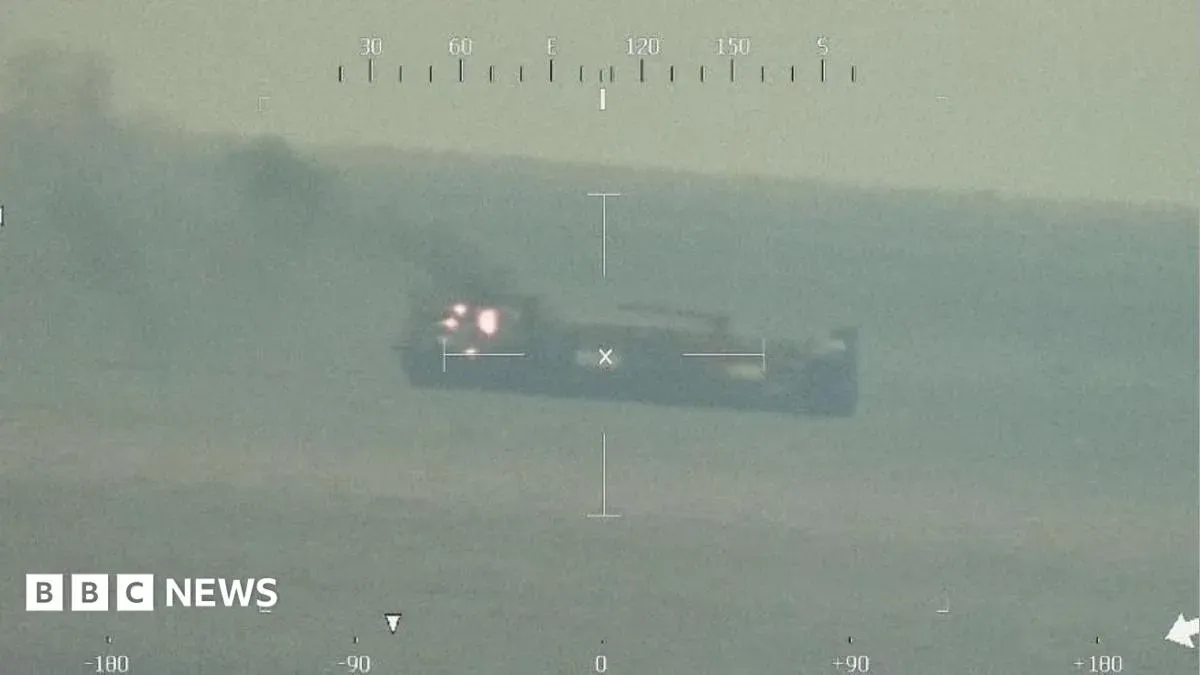







Russian Warship Damaged in Suspected Drone Attack
A Russian warship docked at a naval base in Benghazi, Libya has been severely damaged after an explosion caused by a suspected Ukrainian drone attack.
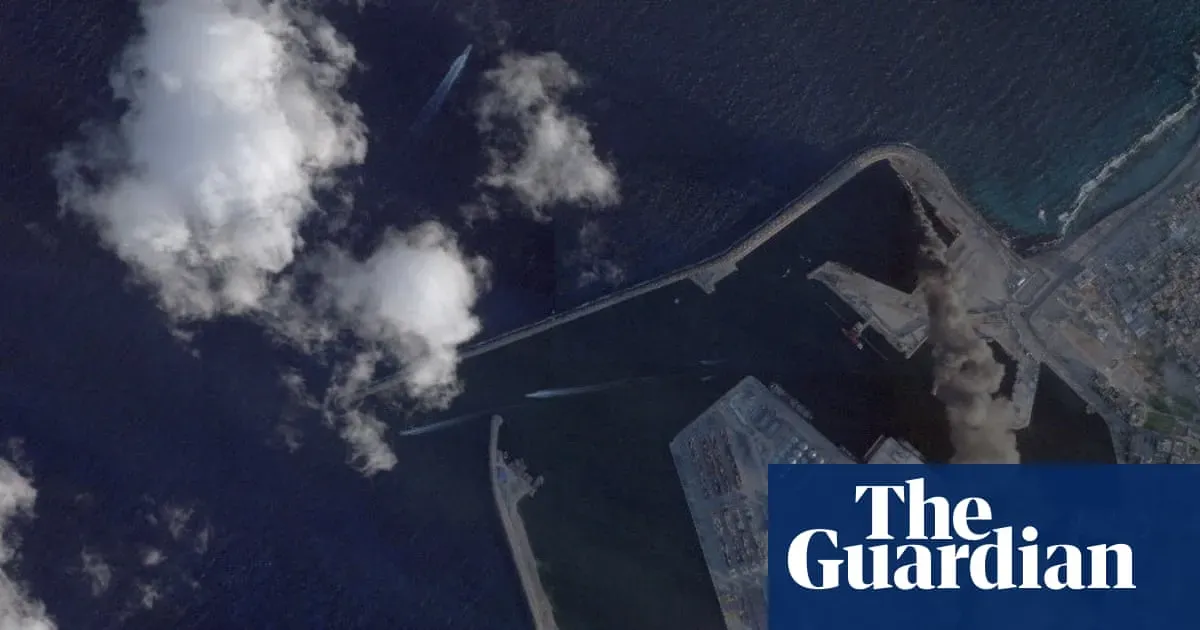
A Russian warship docked at a naval base in Benghazi, Libya has been severely damaged after an explosion caused by a suspected Ukrainian drone attack.
The strike ignited a fire at the naval base and reportedly damaged several other vessels in the area. Libyan officials have confirmed that several drones were launched from a base run by Ukrainian forces in western Libya.
According to initial investigations, at least two of these drones hit the Russian warship, while four others were intercepted and destroyed before they could reach their target. The officials leading the investigation are affiliated with the self-styled Libyan National Army, which controls eastern and southern Libya.
The damaged vessel was reportedly on its way back to Russia after a stop in Benghazi to refuel and resupply under maritime cooperation agreements between the two countries. There has been no immediate reaction from Russian authorities, who have yet to comment on the incident.
No one has claimed responsibility for the strike, but it comes amid increased tensions between Ukraine and Russia. Ukrainian forces have been launching long-range attacks against Russia in recent weeks, targeting areas far beyond the frontlines of conflict.
Libyan military sources have reported a separate drone attack on a commercial vessel off the port of Benghazi on Sunday evening. The crew was rescued by Libyan naval forces and some members are reportedly receiving treatment for minor injuries.
Libyan officials have confirmed that the Russian ship, Merkury, sustained significant damage in a suspected drone attack on its naval base in Benghazi.
Port facilities, including warehouses, were reported to be safe and operational despite the incident, with normal activities expected to resume once the fire is brought under control and the area secured.
The Libyan authority has condemned the attack as a blatant violation of the country's sovereignty and a threat to maritime safety, vowing to take legal and diplomatic measures against those responsible for the assault.
According to Naval News, the Merkury was identified as a Russian corvette, the smallest class of warship, which is smaller than a frigate and likely suffered significant damage in the attack.
The incident has sparked concerns about the extension of conflict beyond eastern Europe, potentially affecting civilians on another continent and disrupting port operations.
Libyan officials believe a Ukrainian drone attack is behind the damage to a Russian ship in Benghazi's port. The incident has raised concerns about the potential for conflict to spread beyond eastern Europe.
Initial reports indicate that the Merkury was struck from above by an aerial projectile, likely launched within a few kilometres of the target area. Details are still emerging, but it appears that the attack did not cause any significant damage or loss of life.
Russia's relationship with Libyan authorities is significant, given its growing reliance on the port in eastern Libya. The base has become crucial for supplying Russian mercenary forces in Africa and serving as a strategic location in the Mediterranean region.
A fire still smoulders on another Russian cargo ship that was targeted by drones in the Baltic Sea, Finnish border guards reported. Emergency services from Finland, Russia, and Estonia are working together to extinguish the blaze and stabilize the vessel.
The suspected Ukrainian drone attack that damaged a Russian ship off the coast of Libya has raised concerns about the escalation of the conflict in Eastern Europe. The incident occurred in international waters west of Russia's Gogland Island, which is located near the border with Finland.
Libyan officials have confirmed reports of the attack, but details are still emerging. Meanwhile, Kyiv's military drone operations this year have sent shockwaves across the region, with some drones breaching the airspace of Baltic countries and sparking fears that the war could spill over into Nato territory.
The incident has also heightened concerns about the risk of further attacks in the Gulf of Finland, a narrow arm of the Baltic Sea. According to Ivo Värk, Estonian navy commander, this possibility cannot be ruled out entirely, leaving regional security forces on high alert.
Facts based on reporting originally published by The Guardian World.
You may republish this story, in full or in part, if you credit Noti Group and link to it (licence CC BY 4.0). Photos are not included.