







Datacentre carbon emissions set to surge by 70% in 2030
A new report warns that datacentre consumption will double within four years due to AI growth.
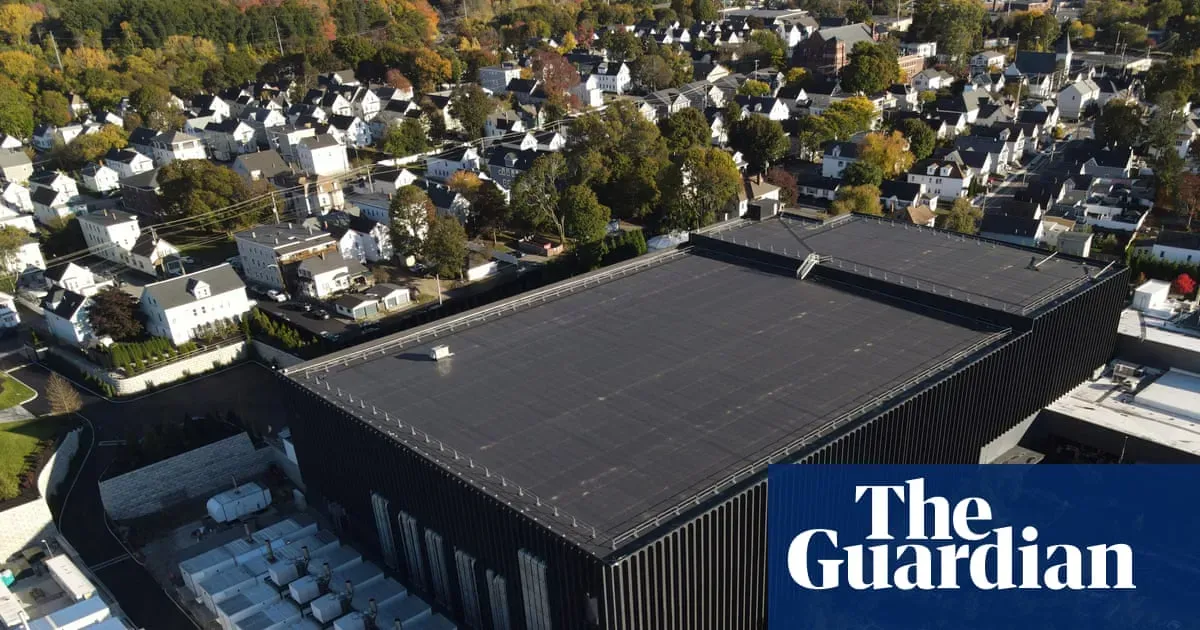
The world's datacentres are on track to produce 70% more carbon emissions by 2030 due to the increasing demand for electricity from artificial intelligence growth agendas in major economies like the US and China.
A new report by the International Energy Agency (IEA) warns that datacentre consumption will double within four years, with AI driving three-quarters of this growth. The expansion of AI infrastructure is expected to lead to a significant increase in energy usage, posing a major challenge for global efforts to reduce carbon emissions.
The IEA found that AI datacentres will consume an additional 350 terrawatt-hours of electricity every year by 2030, surpassing the annual electricity consumption of Great Britain. This staggering figure highlights the massive scale of the industry's growth and its impact on energy demand.
According to Fatih Birol, executive director of the IEA, "I don't see any credible pathway for the energy world to return to the way it was before." The recent Middle East war has disrupted global energy markets, making it even more challenging for governments to meet increasing demands for energy to power a growing population and booming industries.
The report emphasizes that policy decisions made by governments in response to the crisis will shape the future of the energy world. As the demand for energy continues to rise due to factors like air-conditioning needs and AI growth, governments must make informed choices to balance economic development with environmental sustainability.
The push by datacentre developers to adopt renewable energy is not enough to offset the growing demand for fossil fuels. According to the IEA report, the world's biggest corporate buyers of renewable energy are actually driving up the appetite for fossil fuels.
In China, coal power plants will provide nearly half of the electricity needed to fuel AI datacentres by 2030. The rest will come from a mix of renewable energy sources and smaller amounts from nuclear reactors and gas plants. Renewable energy will account for a significant portion of this total, but it's clear that fossil fuels remain dominant.
The US is expected to rely heavily on gas to power its datacentres, with plans for 180GW of new gas-fired power plants linked to these facilities in August this year. This is almost as much new gas capacity as the total now installed across the European Union.
The growth in fossil fuel generation for datacentres will lead to a significant increase in emissions, according to the IEA report. The agency warns that emissions associated with this sector are on track to rise by 70% by 2030.
Datacentre developers in the US have a much greater appetite for gas power than their counterparts in Canada, where plans exist for just 11GW of gas generation to fuel servers. In contrast, the rest of the world has seen relatively modest proposals for new gas plants, with a combined capacity of just 4GW put forward by AI developers.
The International Energy Agency (IEA) has warned that datacentres are on track to become a significant source of greenhouse gas emissions by 2030. According to the agency's forecasts, renewable energy is expected to play a larger role in powering datacentres outside of the US and China.
In Europe, for instance, the IEA predicts that datacentres will rely on renewables for about 70% of their electricity needs by 2030. Nuclear power, gas generation, and coal power are also expected to contribute to the energy mix, although at much lower levels. The world's datacentre capacity has climbed tenfold in just 24 months, the IEA notes.
The agency based its forecasts on analysis of global shipment data for AI servers, which have seen an enormous surge since 2020. Satellite imagery was also used to track the construction of large-scale "AI factories" worldwide, with a total of 93 facilities identified globally.
As a result of this rapid growth, the world's existing stock of datacentres is expected to reach 120GW by 2030, with China, the US, and EU accounting for 80% of that capacity. The IEA projects that an additional 120GW will be built over the next decade, with three-quarters of those facilities specifically designed to handle AI-optimised servers.
Facts based on reporting originally published by The Guardian Business.
You may republish this story, in full or in part, if you credit Noti Group and link to it (licence CC BY 4.0). Photos are not included.