






South African Authorities Halt Export of Five Centuries-Old Baobabs
Environmentalists in South Africa are scrambling to replant five centuries-old baobabs that were uprooted and nearly exported to Georgia without proper permits.
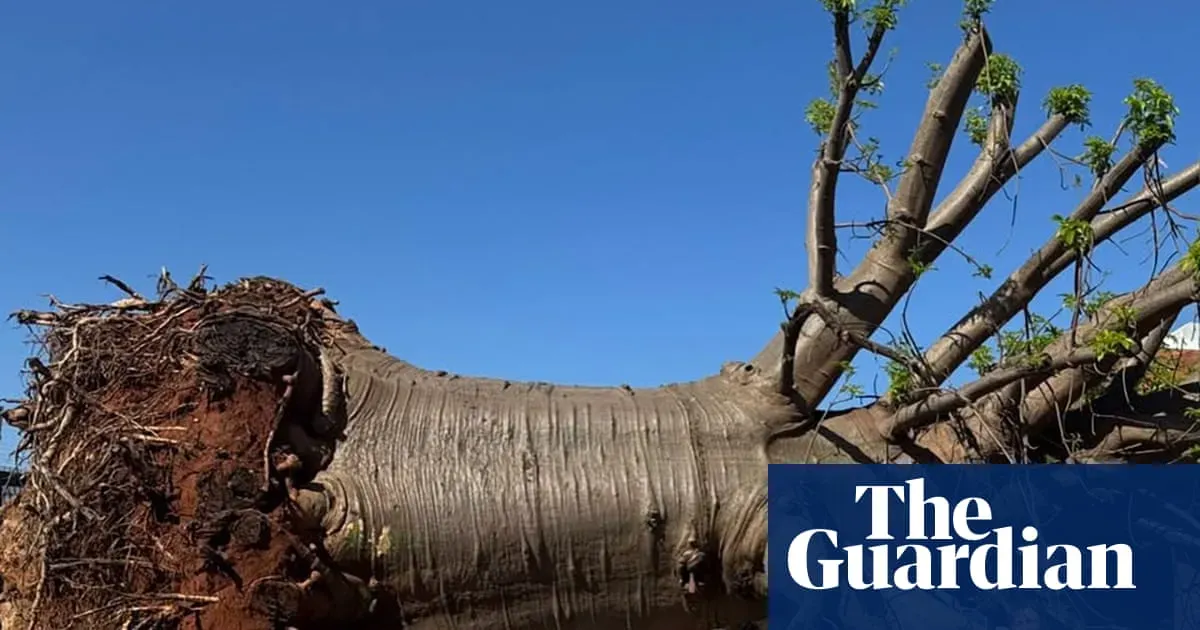
Environmentalists in South Africa are scrambling to replant five centuries-old baobabs that were uprooted and nearly exported to Georgia without proper permits. The trees, weighing a total of 20 tonnes, had been stranded at a warehouse in Durban since July after authorities intervened.
The intervention by authorities was prompted by the lack of necessary permissions for the export of these unique natural wonders. According to reports, the exporter had dug up the baobabs without the required permits, sparking a heated debate over the country's conservation laws and regulations.
The five massive trees are currently being held at a reserve in Timbavati, north-eastern South Africa, where they will undergo replanting and receive support from cables to aid their recovery. The trees had been intended for an unnamed buyer in Georgia, but the government has confirmed that export was not approved.
A similar incident took place four years ago in Kenya, when eight baobabs were uprooted with plans to ship them to a park owned by Bidzina Ivanishvili, a Georgian billionaire and former prime minister.
The export of baobabs from Kenya was initially halted due to widespread criticism from environmental groups who deemed it biopiracy.
Experts point out that such exports are extremely rare. This is largely because baobabs are notoriously challenging to dig up and transport, not to mention successfully replanting them in a new location.
Sarah Venter, founder of the Baobab Foundation, has been leading efforts to replant the South African trees. She believes these plants have a good chance of survival if they're replanted promptly, before the onset of harsh weather conditions.
The dormant period from May to October is an ideal time to relocate the baobabs, during which the trees shed their leaves and conserve energy. This allows for a smoother transition when replanting begins in earnest, as soon as spring arrives.
The transportation of these massive trees has been a significant challenge for the rescue mission.
Baobabs are not only crucial components of their ecosystems but also serve as independent ecosystems themselves due to their unique characteristics and biodiversity. Protected under South African law, permits are required to cut or disturb them in any way.
Animals such as bats, bush babies, grey-headed parrots, and southern ground hornbills find shelter in the cavities of these trees, while elephants, monkeys, and warthogs feed on their fruit.
Baobabs hold immense cultural significance for communities across Africa, with a deep-rooted history that transcends geographical boundaries.
The five South African baobabs that were illegally exported will be replanted once they are returned to their native soil. According to conservationists, baobabs have a unique root system that allows them to thrive even when planted superficially. This means that the trees can quickly regrow if given the right conditions.
In preparation for their return, the trees will be stabilized with cables and protected from potential damage by electric fences - a measure aimed at safeguarding against marauding elephants. The baobabs are estimated to be between 200 and 300 years old, but as one expert noted, "Baobabs easily reach 1,000 years old, so they've got a few hundred years ahead of them if they survive."
A formal investigation has been launched into the owner of a landscaping company accused of transporting the trees in contravention of local laws. This development underscores the gravity of the situation and serves as a reminder of the importance of upholding environmental regulations.
Facts based on reporting originally published by The Guardian World.
You may republish this story, in full or in part, if you credit Noti Group and link to it (licence CC BY 4.0). Photos are not included.