



Deterioration in Somalia-UAE Relations
The relationship between Somalia's President Hassan Sheikh Mohamud and the United Arab Emirates has sharply deteriorated this year, with Mogadishu ordering the Emirati ambassador to leave the country last November 19.
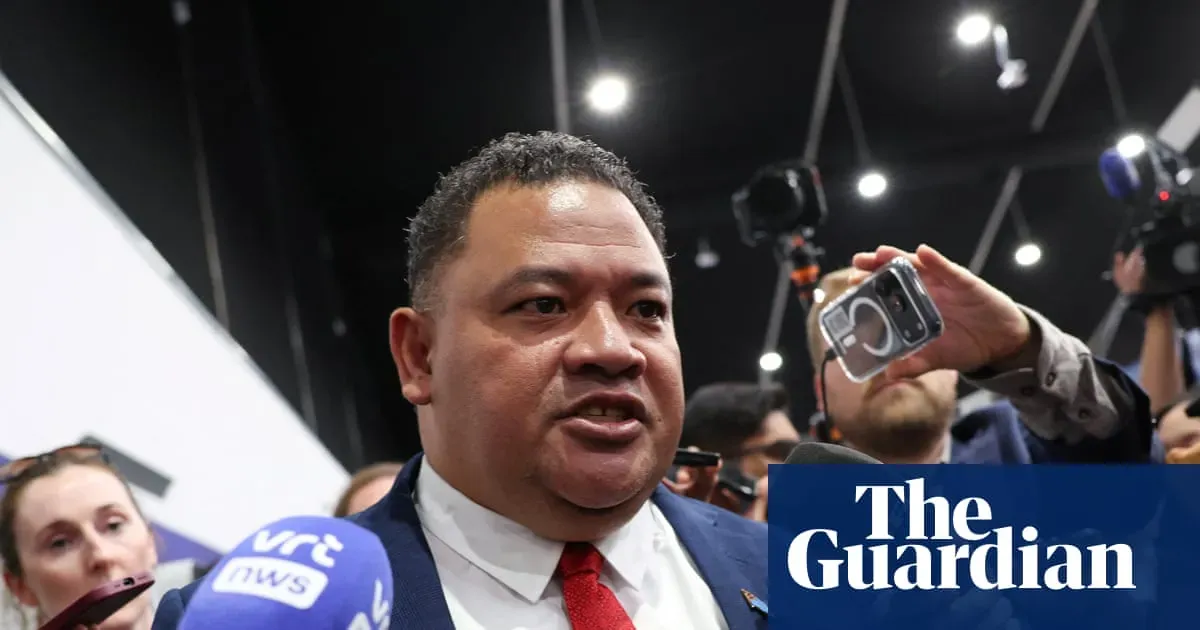
Somali President Hassan Sheikh Mohamud has made a dramatic U-turn on his country's relationship with the United Arab Emirates.
Just three years ago, he was praising Abu Dhabi as "one of the greatest pillars" of Somalia's fight against al-Shabab, an armed group linked to al-Qaeda.
The UAE had been providing significant support to Somalia's military, despite concerns about its growing influence in the country. Mohamud's predecessor had also strained ties with the Gulf state, but the current president sought to repair relations after his return to power in 2022.
He aimed to reassure a skeptical public that the UAE's involvement was beneficial, rather than detrimental, to Somalia's interests. However, this year has seen a sharp deterioration in the relationship between Mogadishu and Abu Dhabi.
Somalia ordered the Emirati ambassador to leave the country last November 19, marking the most significant rupture yet in their partnership. The decision came after years of deep commercial ties and close security cooperation had begun to fray.
The UAE's response to Somalia's president was swift and pointed, accusing Mogadishu of allowing internal political disputes to strain bilateral ties.
These tensions are thought to be linked to President Mohamud's contentious relationships with some of Somalia's semi-autonomous regional administrations, which have maintained close ties with Abu Dhabi.
Anwar Gargash, a senior Emirati official, made it clear that the UAE's relationship with Somalia would endure despite the president's criticism.
Gargash's statement suggests that the UAE remains committed to its engagement with Somalia, even as tensions rise between Mogadishu and regional leaders.
The diplomatic rift comes at a time when President Mohamud is facing resistance from regional leaders who are pushing back against his efforts to reassert federal authority.
Several of these regional leaders have cultivated close ties with Abu Dhabi, further straining relations with the president.
Somalia's post-civil war reconstruction has been marked by the consolidation of regional administrations that retain significant autonomy and influence.
Somalia's regional administrations have been quietly gaining autonomy and influence in recent years, a trend that has been accelerated by foreign investments from key partners like the UAE.
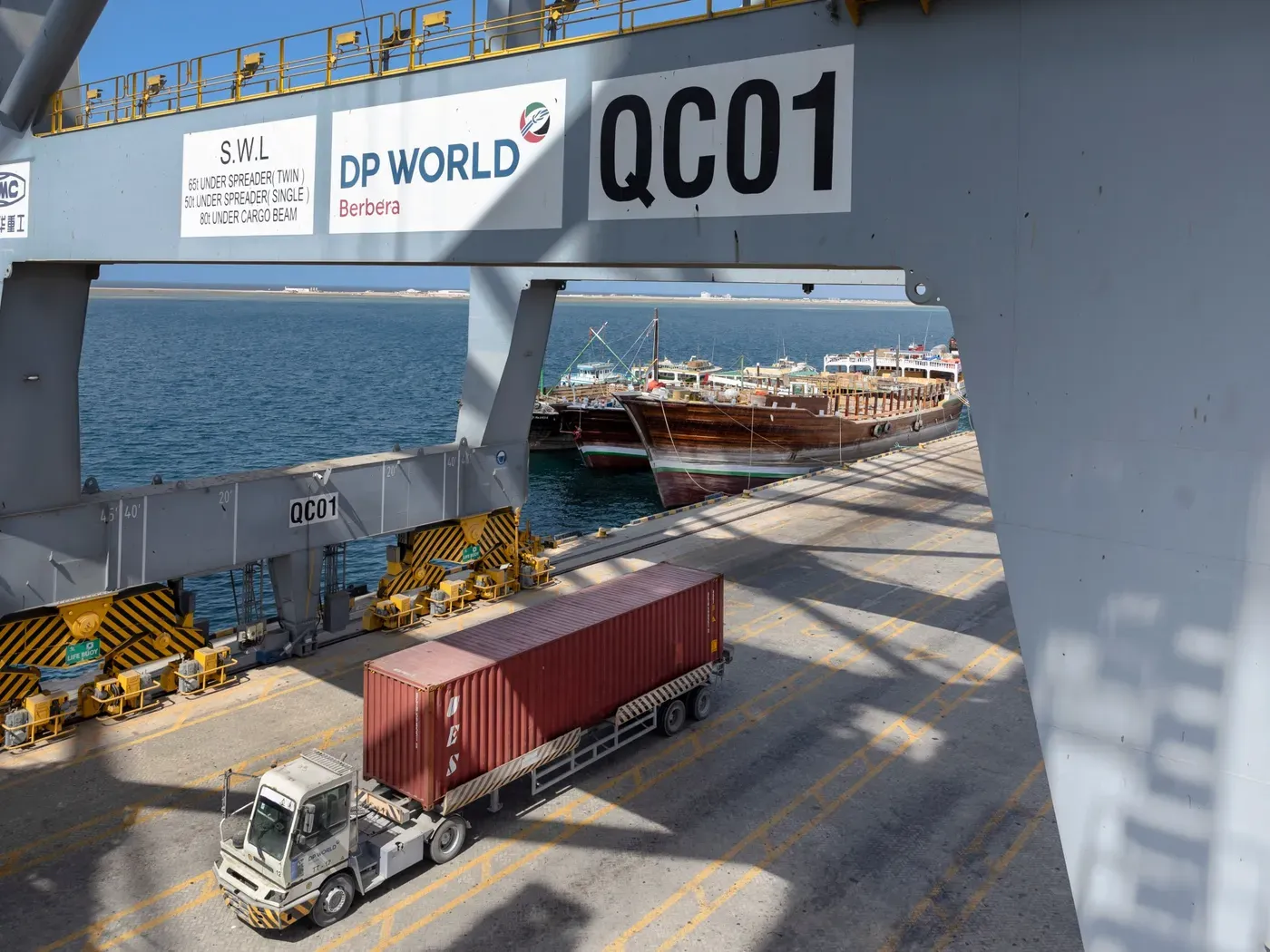
The port of Bosaso, operated by P&O Ports' subsidiary, is a crucial source of revenue for Puntland's administration. The same can be said about Somaliland's Berbera Port, which has become a major regional gateway thanks to DP World's development and investment in the area.
Somaliland's Foreign Minister Abdirahman Dahir Adam attributes the UAE's success in investing in his country to its recognition of Somaliland as an independent state. This move has led to significant economic growth and improved regional connectivity, creating jobs for locals.
The strategic location of both ports along the Gulf of Aden makes them highly attractive to foreign powers seeking a foothold in one of the world's busiest shipping routes. The UAE has taken advantage of this by developing military facilities near both ports, further solidifying its presence in the region.
In Puntland, the UAE helped establish and fund the Puntland Maritime Police Force (PMPF), initially an antipiracy unit that has since become a key counterterrorism force. More recently, it has supported Puntland's campaign against ISIL with drone attacks and carried out a strike this year against al-Shabab in support of regional forces.
Abu Dhabi maintains similar commercial and security ties with Jubbaland, which borders Kenya, although the extent of its involvement is less publicly documented than that in Puntland. This has led some to question whether Mogadishu's federal government is being bypassed by foreign powers keen on investing in Somalia's regional states.
According to a senior Puntland official speaking anonymously, the UAE's interventions have helped regional states consolidate their authority at the expense of the federal government. A Somalia expert at Chatham House, Aweis Ahmed, agrees that while Emirati support has brought tangible benefits to Somalia's regional states, it has also strengthened their position against Mogadishu, undermining its efforts to assert its authority.
The complex dynamics of Somalia's relationship with the UAE continue to unfold, with tensions escalating over issues of authority and control.
Regional states in Somalia have been increasingly asserting their independence, negotiating agreements directly with Abu Dhabi that bypass the federal government entirely, according to Abdinor Dahir, director of the Adkaysi Institute for Research, Peace and Inclusive Resilience.
This move has deepened disagreements over who holds the authority to conclude deals with foreign partners, exacerbating existing tensions between Mogadishu and regional administrations.
The external relationship between the UAE and regional states weakens federal authority, undermines counterterrorism cooperation, and risks turning foreign policy into a permanent source of internal conflict, Dahir warned.
The dispute came to a head in January when Mogadishu annulled its agreements with Abu Dhabi over allegations that the UAE had secretly transported an Emirati-backed Yemeni separatist leader through Somaliland without authorization.
Regional administrations, however, have refused to back down, insisting their agreements with Abu Dhabi remain in force, particularly those related to ports in Berbera, Bosaso, and Kismayo.
Regional administrations have dug in their heels, refusing to abandon agreements they've made with Abu Dhabi, particularly those related to ports in Berbera, Bosaso, and Kismayo.
Puntland and Jubbaland, two federal member states, are opposed to changes that would weaken their autonomy, while Somaliland has long rejected Mogadishu's authority, operating independently in practice.
The UAE is also accused by Somali officials of backing the deposed leader of Southwest State, Abdiaziz Hassan Laftagareen, who has been fighting to retake several towns around Baidoa, the regional capital.
Laftagareen vowed to remove Mohamud's ally, who took power in a disputed election in Baidoa, if he were to regain control of the region.
The UAE's support for domestic opponents of Mohamud has helped them thwart his efforts to push through contentious constitutional and electoral changes, according to Aweis Ahmed, an expert at Chatham House.
A direct line to Abu Dhabi gives regional leaders more room to pursue their own priorities when relations with Mogadishu are strained, allowing them to sidestep difficult negotiations with the federal government.
The involvement of the UAE and other Middle Eastern powers is exacerbating domestic divisions while drawing Somali actors into wider regional disputes, Ahmed warned.
The conflict in Somalia is becoming increasingly complicated due to the involvement of external powers. Regional forces in Puntland have taken control of several federal military bases and driven out federal institutions as tensions between Mogadishu and the region escalate.
Meanwhile, Sudan has expressed its concerns to Mogadishu about the alleged use of Somali ports by the UAE to supply the Rapid Support Forces (RSF) fighting against the Sudanese army. According to a Somali source, Sudan's intelligence chief raised this issue during a visit to Mogadishu in 2025.
The situation is further complicated by the passage through Somali territory of Aidarous al-Zubaidi, a Yemeni separatist leader backed by Abu Dhabi, which has drawn Mogadishu into the wider conflict between the UAE and Saudi Arabia over Yemen.
Facts based on reporting originally published by Al Jazeera.
You may republish this story, in full or in part, if you credit Noti Group and link to it (licence CC BY 4.0). Photos are not included.