






Tesla Cuts Production of Cybertruck After Seven Years and 71,000 Sales
The production of Tesla's futuristic electric vehicle will cease next year after failing to meet its promised specifications.
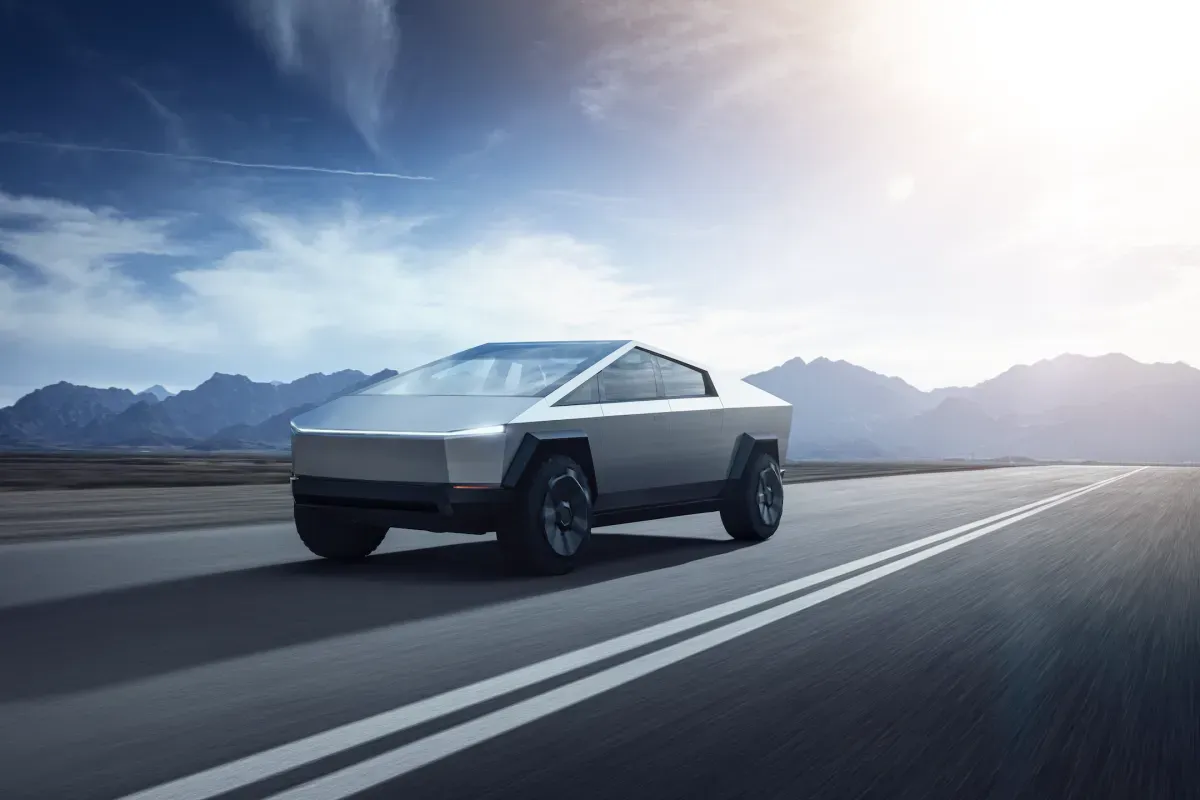
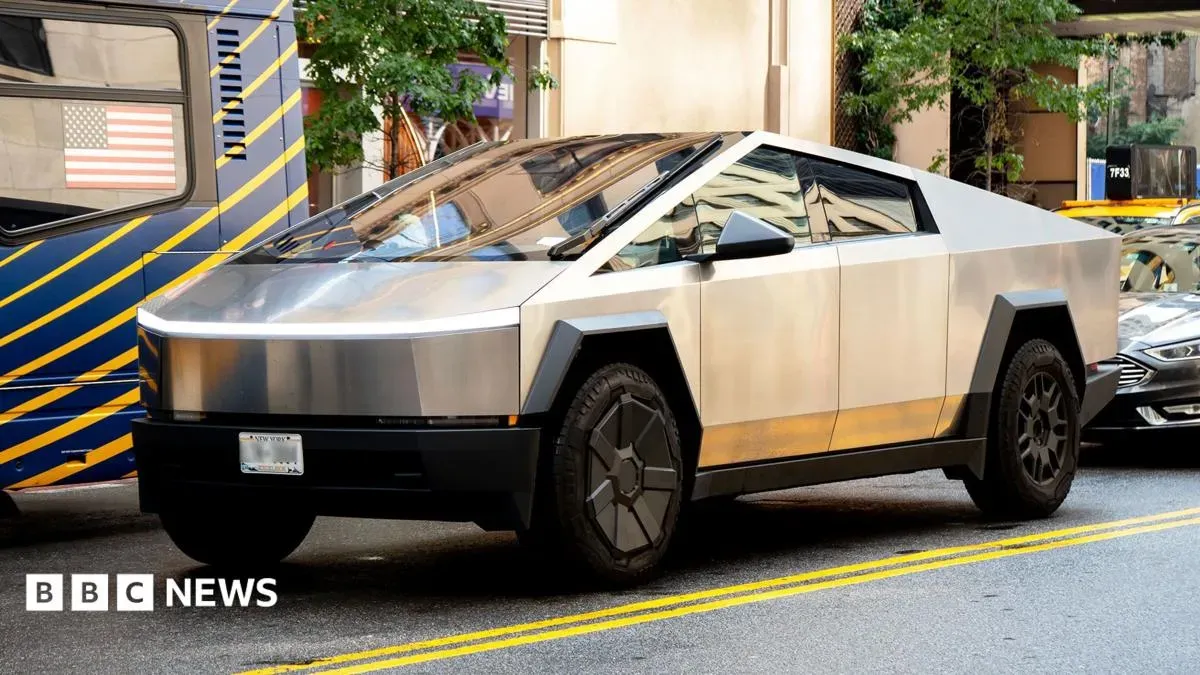
The Cybertruck experiment is coming to an end after nearly seven years of development and hype surrounding Tesla's futuristic electric vehicle.
As I recall attending the unveiling event, where head designer Franz von Holzhausen demonstrated the truck's supposedly indestructible glass by throwing a metal ball at its window. The result was cracked glass, which left CEO Elon Musk trying to salvage the situation with some awkward jokes.
The reveal of the Cybertruck was marked by a mix of reactions from Tesla fans in attendance. Some were taken aback by the truck's postapocalyptic design, while others expressed surprise and even disgust at its appearance.
However, as the event progressed, it became clear that the crowd's initial shock gave way to support and enthusiasm for the Cybertruck. The mood shifted as attendees began to see past their initial reservations.
It wasn't long before Tesla fans were lining up to take the Cybertruck for a test drive, with many seemingly won over by its capabilities despite their initial doubts about its design.
The Cybertruck's popularity was short-lived. Despite initial reservations, Tesla fans flocked to test drive the vehicle, and a staggering 1 million reservations were made. However, this enthusiasm didn't translate into actual sales. Industry estimates suggest that around 71,000 units have been sold since deliveries began in November 2023.
Tesla has now confirmed that production of the Cybertruck will cease next year. This decision comes after years of hype surrounding the vehicle's capabilities and futuristic design. But despite its promise, the Cybertruck failed to deliver on two key fronts: range and price. As one observer noted, the vehicle's touted 500-mile range and sub-$40,000 price tag were never achieved.
The reasons behind the Cybertruck's poor sales are complex. While some may have been put off by its unconventional design, others point to more practical considerations. The vehicle's failure to meet its promised specifications likely played a significant role in dampening demand.
Zipline, an autonomous drone delivery startup, has experienced a remarkable year. Founded in 2014, the company has steadily grown and expanded its reach. In 2026 alone, Zipline raised $600 million in funding, followed by another $200 million added to its Series H round. This influx of capital will be used to accelerate expansion into at least four U.S. cities.
Zipline's drone delivery services are expanding rapidly as it partners with Walmart to establish 300 new sites across the US. This move comes after the company secured a significant funding boost of $1.5 billion, which has also increased its valuation to $21.5 billion.
Electric truck startup Harbinger is also growing its business through a substantial investment of $240 million in Series D funding. The funds will be used to expand the company's product portfolio beyond electric trucks, including battery storage and defense applications. However, details on the company's new valuation remain unclear.
Humble Robotics has secured $51 million in a Series A funding round, bringing its total funding to $75 million just over a year after its founding. The investment was led by Obvious Ventures, with participation from existing investors including Eclipse, Energy Impact Partners, and others.
Static Media has further expanded its portfolio through the acquisition of automotive news site CarScoops. This addition brings the number of brands under Static's umbrella to 34, following on from previous acquisitions such as Engadget, Jalopnik, and SlashGear.
The Luce, Ferrari's first electric car, has reached full allocation for the year 2027, marking a significant milestone for the luxury brand.
Ford has taken a major step towards prioritizing customer data privacy by introducing its "privacy promise" - an explicit commitment to safeguard vehicle data and give customers control over what information is shared. To support this initiative, Ford has launched a website that educates users on how their data is used, where it's stored, and why, as well as providing step-by-step instructions on changing data-sharing settings.
May Mobility and Forterra have advanced to the third phase of the Department of Defense's Robotic Operations for Autonomous Delivery and Sustainment (ROADS) prize challenge. This milestone brings these companies one step closer to testing and adopting commercial self-driving vehicles in military contexts.
Serve Robotics is expanding its scope by launching a new business line called Physical AI Services, which will see the company operate as both an autonomous delivery provider and a technology supplier for other robot-building companies.
Despite predictions of widespread adoption, Uber's AI agent has yet to gain significant traction - with only four rides ordered through the system during its busiest week in October.
As part of my farewell to senior reporter Sean O'Kane, I've had to reflect on the outstanding work he's done over the past three years. One notable collaboration was his scoop that revealed Jeff Bezos' backing of Slate Auto, a significant development in the automotive industry.
We have also co-authored numerous articles together, covering company earnings and breaking news, as well as co-hosting Equity, our flagship podcast about the business of startups. These collaborations have not only provided readers with valuable insights but have also showcased Sean's exceptional reporting skills.
As Sean moves on to a new role at the Wall Street Journal to cover Tesla, it's clear that his expertise will be greatly missed. However, I'm excited to continue delivering readers insider information and analysis about transportation technology, including autonomous vehicles, electric vehicles, and automotive innovations.
I invite readers who have tips or insights on emerging transportation trends to share them with me via email at [email address]. When purchasing through links in our articles, note that we may earn a small commission, which does not influence our editorial independence.
The Cybertruck is set to exit production in 2027, marking the end of an experiment that has been ongoing for several years.
Claude, a personal finance app, has expanded its capabilities with the introduction of a new tool that allows users to analyze their spending habits more effectively.
In other news, data centers are increasingly turning to repurposed jet engines to power their operations due to growing wait times for renewable energy sources.
Facts based on reporting originally published by TechCrunch.
You may republish this story, in full or in part, if you credit Noti Group and link to it (licence CC BY 4.0). Photos are not included.