






Stanford Medicine-led Research Identifies Three Distinct Brain Types in Children with ADHD and Anxiety
A Stanford Medicine-led research study using fMRI scans identifies three distinct brain types that underlie ADHD and anxiety in children.
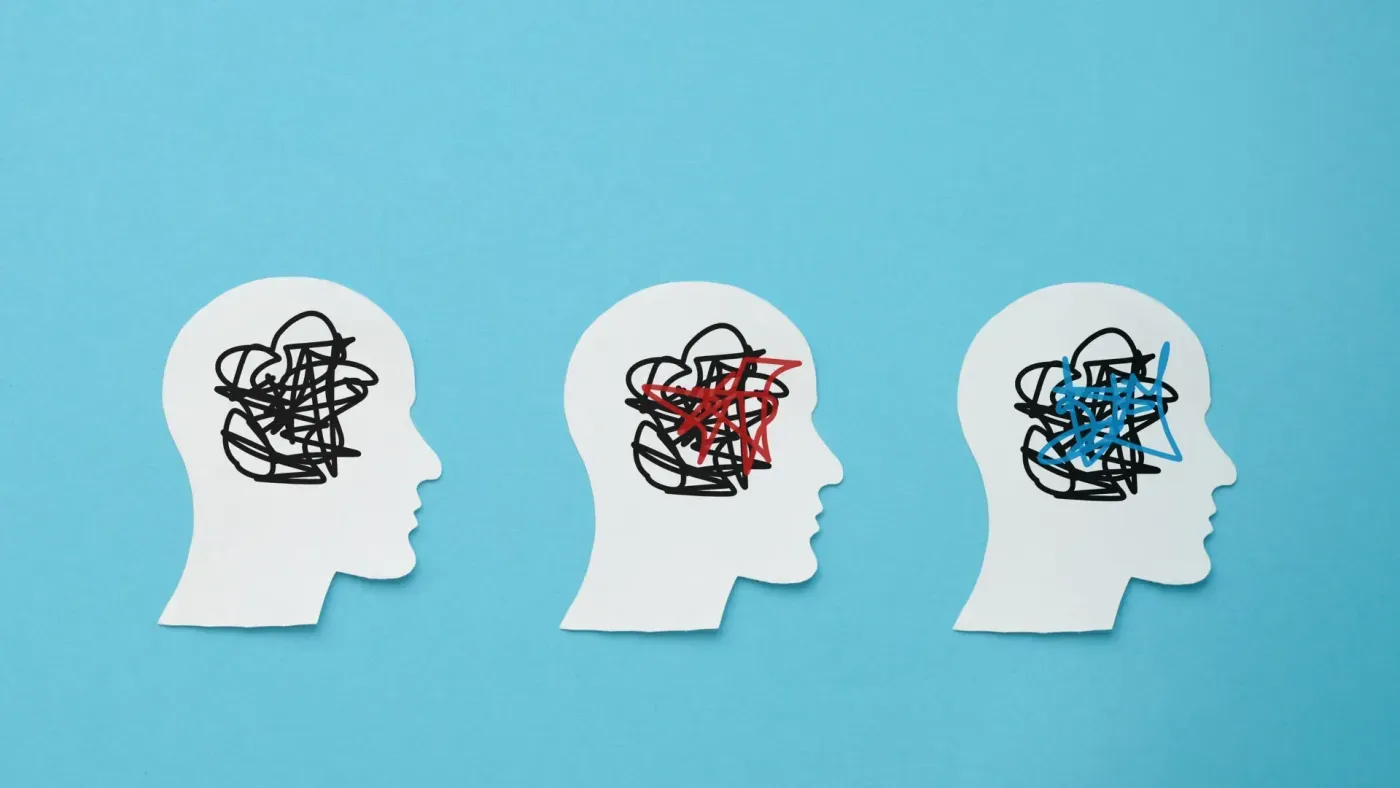
A groundbreaking Stanford Medicine-led research has shed new light on the complexities of attention-deficit/hyperactivity disorder (ADHD) and anxiety in children. The study identifies three distinct brain types, or biotypes, that underlie these conditions.
The researchers used thousands of functional magnetic resonance imaging (fMRI) scans to pinpoint specific disruptions in brain circuits associated with each biotype. This could help doctors diagnose ADHD and anxiety earlier, identify new treatment targets, and determine the most effective therapies for individual patients.
The study's findings are particularly significant because they highlight a major limitation of current diagnostic methods: relying on symptom checklists can lead to overlap between ADHD and anxiety diagnoses. Children diagnosed with one condition often experience symptoms characteristic of the other.
According to co-senior author Yu Zhang, PhD, the high overlap between ADHD and anxiety hinders our understanding of the neurobiology underlying traditional diagnoses. This underscores the need for a more nuanced approach to diagnosing mental health disorders in children.
The study's lead author, Yong Jiao, PhD, a postdoctoral scholar at the University of Iowa, has been working with co-senior authors Yu Zhang and Jing Jiang, PhD, assistant professor of pediatric neurology, to unravel the complexities of ADHD and anxiety.
The study's researchers wanted to understand if biological differences among children with ADHD and anxiety matched the diagnoses they received in clinics.
However, their findings revealed that this relationship was not as straightforward as expected. The same diagnosis could encompass different brain types, and certain patterns were more prevalent in specific groups of children.
Children with ADHD, anxiety or both fell into one of three distinct brain biotypes, according to the researchers' analysis. These underlying differences could provide valuable insights for future research and clinical care.
The study drew on a vast dataset from the Adolescent Brain Cognitive Development project, which has been tracking over 11,000 children across the US since they were around 9 or 10 years old.
This comprehensive data allowed the researchers to compare brain scans and behavioral assessments of children with different diagnoses, including those who developed ADHD or anxiety later in life.
The researchers used an artificial intelligence model to examine how different brain regions interact and affect each other's functioning. This analysis revealed distinct patterns of brain connectivity that were more pronounced in children with ADHD, anxiety or both compared to those without either condition.
By combining behavioral data with imaging results, the team uncovered two primary dimensions of dysfunction linked to ADHD and anxiety: cognitive-behavioral problems and disturbances in emotion-attention regulation. These disruptions involve distinct networks of brain regions working together.
The model identified three unique biological categories of brain function, which were termed the externalizing-disinhibited biotype, the internalizing-distressed biotype, and the mixed biotype. Each category represents a different combination of disrupted brain networks.
Children in the externalizing-disinhibited group showed higher levels of impulsivity, hostility, defiance, aggression, and rule-breaking behavior. They were also more likely to be diagnosed with ADHD, while those in the internalizing-distressed group exhibited greater feelings of guilt and tension, stronger perfectionist tendencies, and symptoms associated with anxiety and depression.
Children who exhibited a mix of externalizing and internalizing traits experienced significant difficulties with attention, self-regulation, and irritability, often accompanied by self-injurious behaviors.
Researchers found that each child in the study fell into one of three distinct brain biotypes, regardless of their conventional diagnosis. This suggests that a combination of both biological patterns and symptom-based assessments could provide a more comprehensive understanding of ADHD and anxiety.
Initial brain scans from children who had not yet received an official diagnosis revealed distinctive biological patterns indicative of ADHD or anxiety. These patterns were detectable even before the children's conditions were formally diagnosed, indicating potential for early intervention.
Lead researcher Zhang suggests that identifying these biotypes before diagnosis could enable more timely treatment and potentially slow or reverse the progression of these conditions. According to Zhang, this unexpected finding has significant implications for clinical practice.
The discovery of these brain biotypes does not aim to replace conventional diagnoses but rather complement them with a more personalized approach. By combining biological patterns with symptom-based assessments, clinicians may be able to select treatments tailored to individual children's needs.
The process of finding an effective treatment for ADHD or anxiety can be a lengthy and frustrating experience for both children and their families. This is because it often involves trial and error, with children needing to try several medications before discovering which one provides meaningful relief.
It can take weeks or months to see a response to a new medication, making the process even more challenging. According to Zhang, doctors may need to switch to different medications if the first one doesn't work, further prolonging the search for an effective treatment.
The time and expense involved in finding the right medication can be significant. It's a situation that researchers hope will change with future clinical trials that build on their findings. These studies could help determine which therapies are most effective for each of the three biotypes identified by the team.
Zhang is hopeful that biomarkers can eventually be developed to inform treatment decisions, ensuring that children receive the right therapy at the right time. This goal is shared by researchers affiliated with Stanford University's Wu Tsai Neurosciences Institute and other institutions involved in the study.
The study's findings have significant implications for understanding and treating ADHD and anxiety disorders.
Researchers are now one step closer to unraveling the complex mechanisms behind these conditions after discovering three previously unknown brain types that contribute to their development. These distinct neural patterns were identified through advanced imaging techniques and machine learning algorithms, providing a more nuanced understanding of the underlying biology. This breakthrough has the potential to lead to more targeted and effective treatments for individuals struggling with ADHD and anxiety.
Facts based on reporting originally published by ScienceDaily Health.
You may republish this story, in full or in part, if you credit Noti Group and link to it (licence CC BY 4.0). Photos are not included.