







Sexual behavior shifts among British youth
A significant shift in sexual behavior has been observed among British youth, with a substantial number having little to no experience of intercourse.
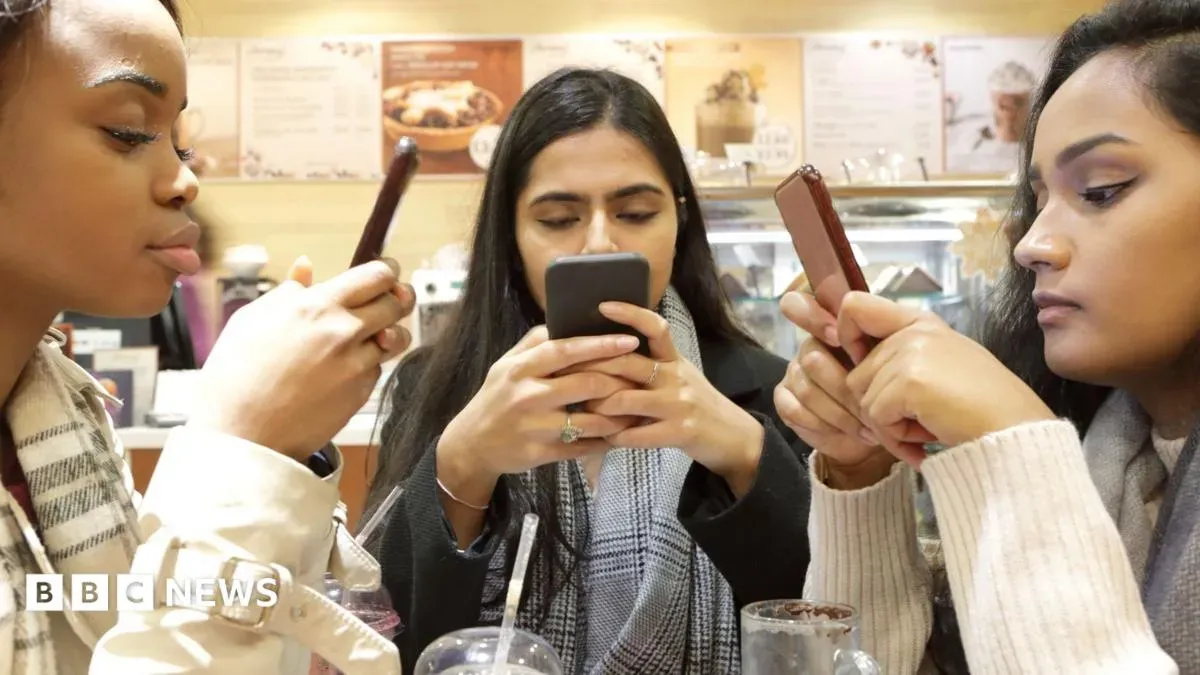
A significant shift in sexual behavior has been observed among British youth, with a substantial number having little to no experience of intercourse.
According to a major study, nearly one-third of young people aged 16-24 have never had sex, a proportion that has increased from a fifth over the past decade. The study's findings also highlight a stark contrast between offline and online sexual behaviors.
Half of this age group reported sending or receiving explicit images on their phones in the last year, with women making up half of those who engaged in sexting and men the majority of those who received such content. A significant number of young people have turned to pornography for entertainment, with over nine out of ten young men and nearly one in two young women stating they had viewed explicit material.
The study reveals a decline in sexual activity among adults under 45, with an average frequency of twice a month compared to once a week in the early 1990s. The data also show that more than one-third of women reported watching pornography over the past year, while nearly four out of five men admitted to doing so.
Younger generations seem to be engaging in online sexual activities as a supplement or perhaps even replacement for traditional forms of intimacy. However, the authors note that it is unclear whether solo and online activity is entirely replacing in-person sex, with some individuals opting for these alternatives rather than abstaining from sex altogether.
The study's researchers acknowledge that they didn't explore the impact of emerging technologies on human relationships during their fieldwork. However, as advances in artificial intelligence and virtual reality continue to shape our lives, it's likely that future studies will need to consider these factors.
Some experts believe that AI could potentially become a new aspect of human connection, with individuals forming emotional bonds with digital companions. This raises interesting questions about the boundaries between technology and intimacy. While this may seem like science fiction today, it's possible that we'll be examining its effects on relationships in years to come.
Researchers point out that factors other than screen time are likely contributing to decreased sexual activity among young people. Changes in lifestyle, such as increased living at home with parents or reduced drinking habits, could also play a role. Additionally, rising rates of mental health conditions and the disruption caused by the pandemic may be significant factors.
The trend of delayed sexual debut continues to shape the landscape of young people's lives in Britain.
This shift has led to a notable difference in attitudes towards sex among younger generations compared to their predecessors.
While some may view the rise of sexting and pornography as contributing factors to this trend, it is essential to examine other possible influences on behavior.
Young adults are increasingly comfortable with explicit online content, which may be influencing their expectations and experiences.
The alarming trend of unprotected sex among young Brits is a pressing concern, as many are putting themselves at risk of pregnancies and sexually transmitted infections (STIs).
Meanwhile, the use of oral contraceptive pills has been declining among young women, which may be contributing to this worrying trend.
A significant shift in attitudes towards family planning has also emerged, with an increasing number of women stating they do not want children - a doubling from 8% to 17% over the past decade among those aged 16-44.
Researcher Dr Laura Oakley emphasizes the need for further investigation into the underlying factors driving this trend, suggesting that economic insecurity, climate anxiety, or changing life priorities may be at play.
Facts based on reporting originally published by BBC News Health.
You may republish this story, in full or in part, if you credit Noti Group and link to it (licence CC BY 4.0). Photos are not included.