







Peppermint Oil Found to Lower Blood Pressure in Mildly Elevated Individuals
Researchers at the University of Lancashire have discovered that peppermint oil can lower blood pressure in individuals with mildly elevated levels.
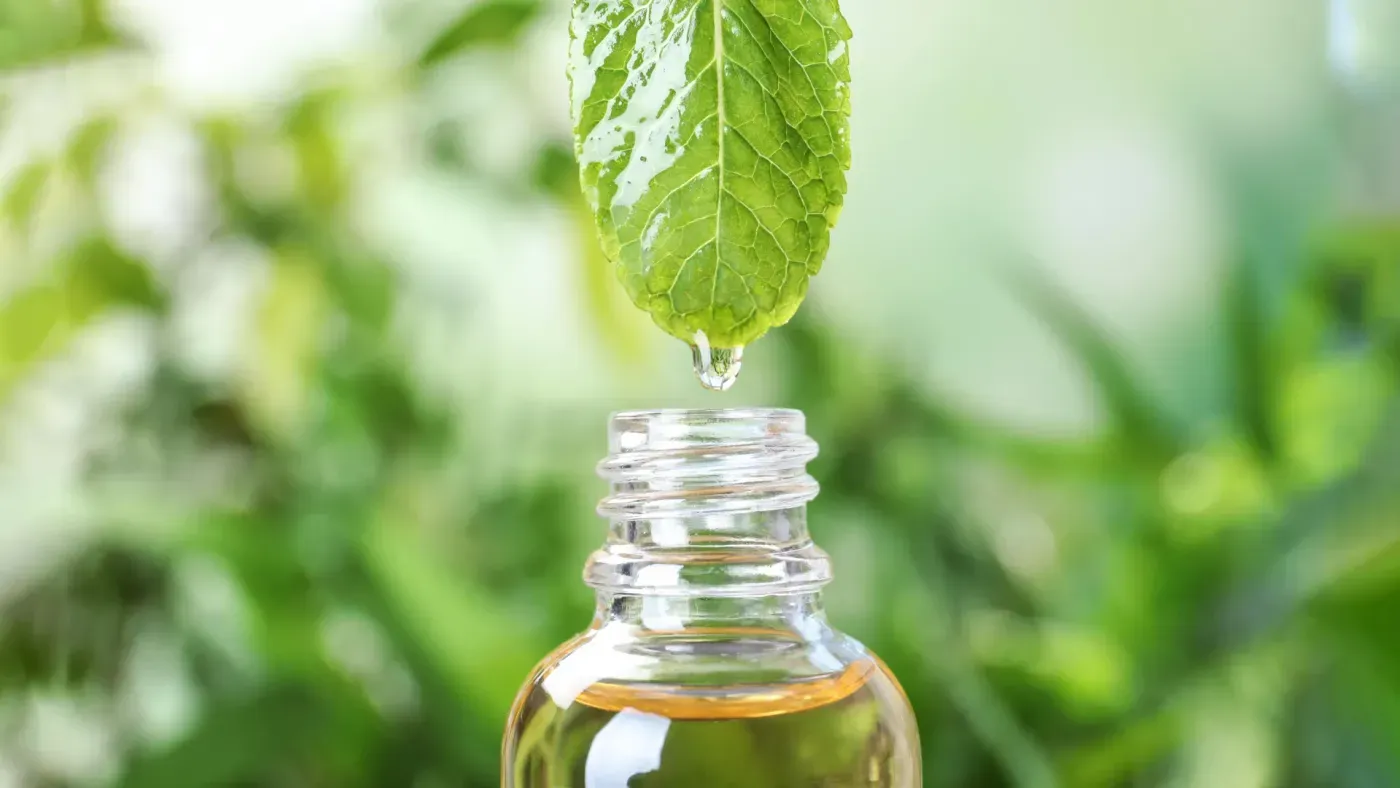
Researchers at the University of Lancashire have discovered a potential new use for peppermint oil: lowering blood pressure in individuals with mildly elevated levels.
The study involved participants who received either peppermint oil or a placebo and were monitored over a period of 20 days. Those who consumed peppermint oil showed significantly lower systolic blood pressure readings compared to the placebo group, with an average reduction of 8.5 mmHg.
This finding suggests that peppermint oil could provide a simple and inexpensive way to manage mildly elevated blood pressure, which is a major risk factor for heart disease and death worldwide. The study's results are particularly noteworthy given the potential long-term effectiveness and low risk of side effects associated with peppermint oil.
According to Dr. Jonnie Sinclair, lead author of the study, high blood pressure is a significant cause of illness and financial burden globally, and while medications can be effective in treating it, their long-term efficacy and side effects are not always well understood.
Peppermint's unique chemical makeup is attributed to its biologically active compounds, including menthol and flavonoids, which are known for their antioxidant properties.
These compounds contribute to peppermint's anti-inflammatory and vasodilatory effects, allowing blood vessels to relax and widen. As a result, blood can flow more freely through the arteries, reducing pressure on artery walls. This combination of properties may be responsible for peppermint oil's potential impact on blood pressure, but further investigation is needed to fully understand its mechanisms.
Forty adults with elevated blood pressure or early-stage hypertension participated in a study examining peppermint oil's effects. The participants were randomly divided into two groups: one received 100 microliters of food-grade peppermint oil each day, while the other group was given a peppermint-flavored placebo containing no active compounds.
The daily dose of peppermint oil was equivalent to one-tenth of a milliliter, divided into two doses and diluted in water.
The reduction in systolic blood pressure among participants taking peppermint oil was significant, falling from approximately 130 mmHg to 122 mmHg after just 20 days.
This decrease is noteworthy, as persistently elevated systolic readings can lead to damage of the blood vessels over time and increase the risk of serious health problems such as heart attacks, strokes, and heart failure.
The study's findings were not limited to systolic blood pressure; researchers also examined other factors including body measurements, blood test results, diastolic blood pressure, resting heart rate, mental well-being, and sleep quality.
Researchers highlighted the potential of peppermint oil as a low-cost approach to managing high blood pressure, citing its affordability and simplicity in use.
The study's findings suggest that peppermint oil can lower blood pressure in just 20 days, but more research is needed to confirm its long-term benefits.
Larger and longer clinical trials are necessary to determine whether the positive effects persist over time and if peppermint oil could be used alongside existing treatments for high blood pressure. The researchers emphasize the importance of using peppermint oil specifically formulated for human consumption to avoid any potential risks.
While the study's results are promising, it is crucial not to replace prescribed medications or ingest essential oils that are not designed for oral use, as this can lead to adverse health consequences.
Facts based on reporting originally published by ScienceDaily Health.
You may republish this story, in full or in part, if you credit Noti Group and link to it (licence CC BY 4.0). Photos are not included.