

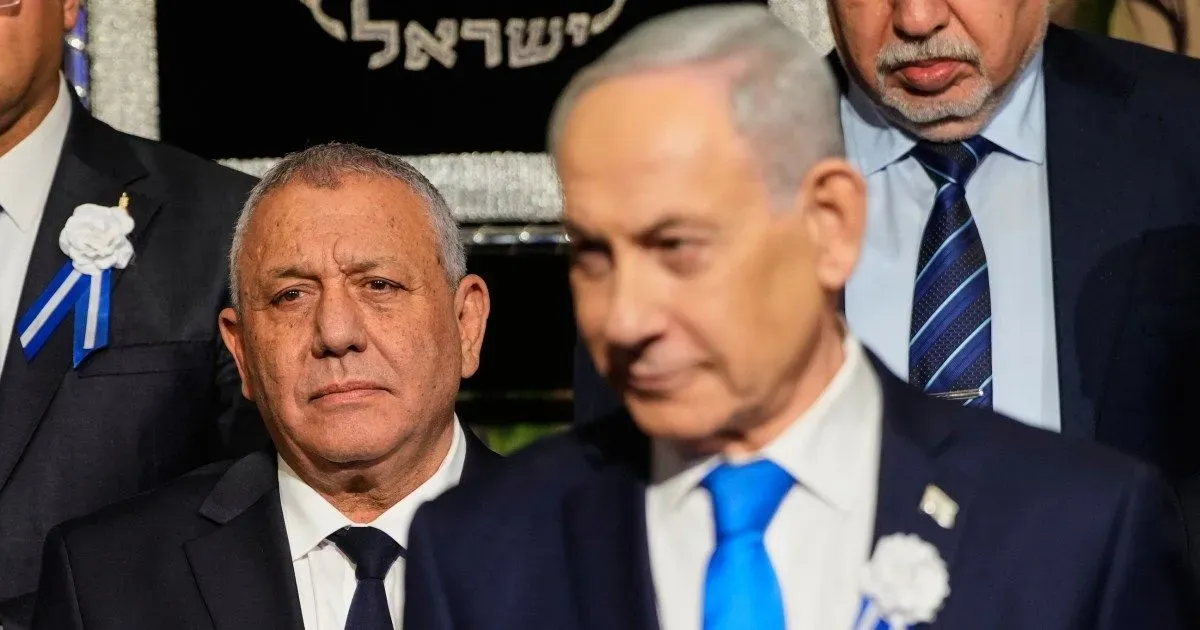


Talks between Netanyahu and opposition leader set for Sunday
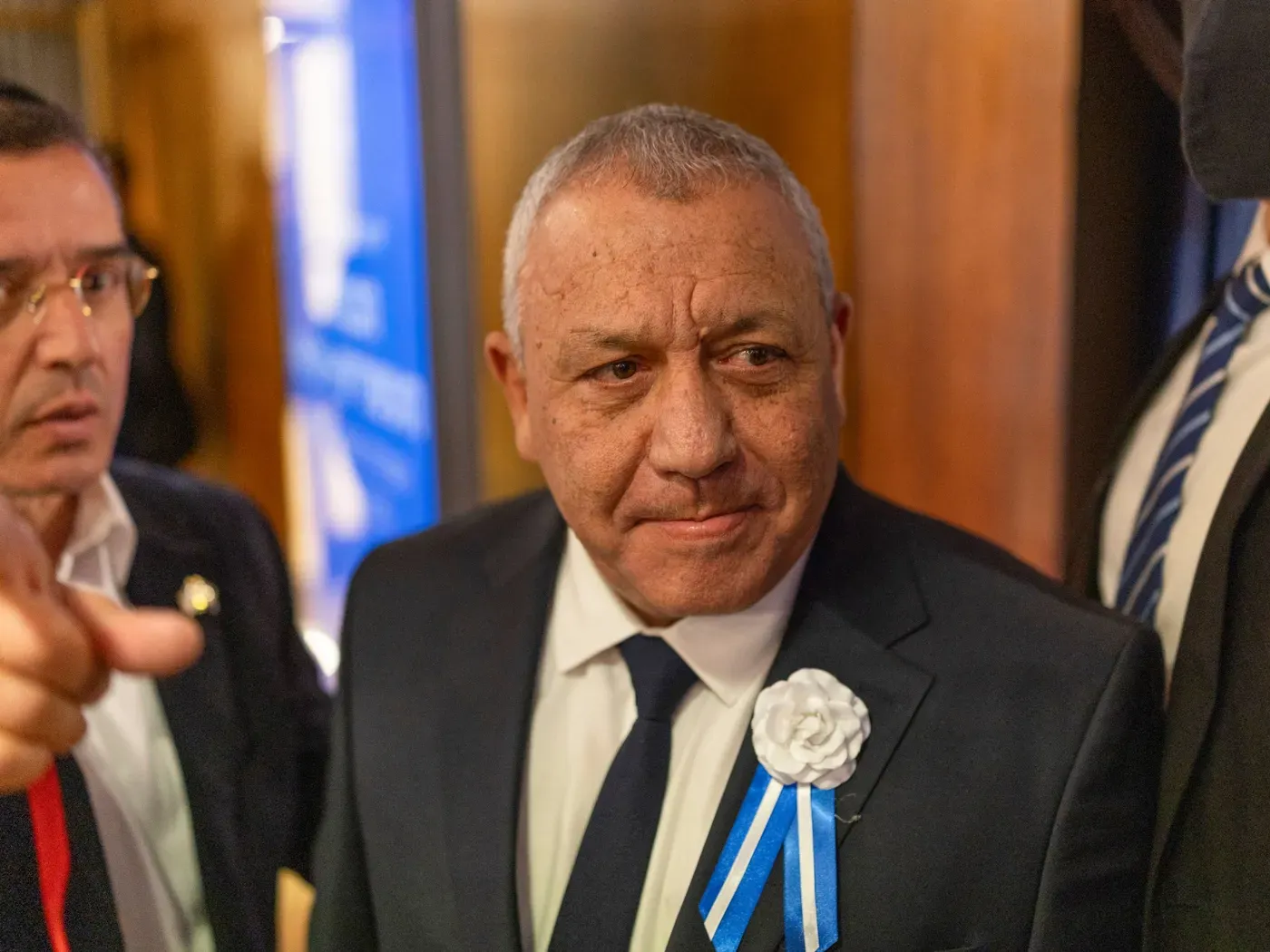
Benjamin Netanyahu is set to hold critical talks with Gadi Eisenkot in an attempt to break the deadlock following last month's election.
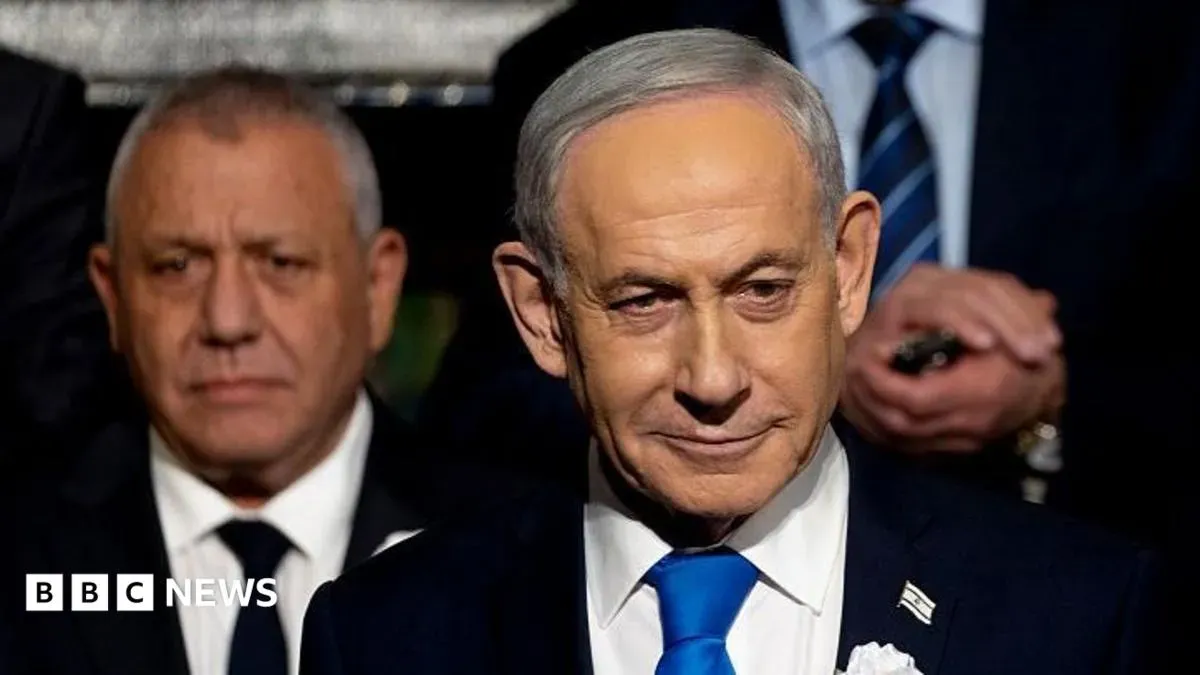
Benjamin Netanyahu, Israel's caretaker Prime Minister, is set to hold critical talks on Sunday morning with opposition leader Gadi Eisenkot in a bid to break the deadlock following last month's election.
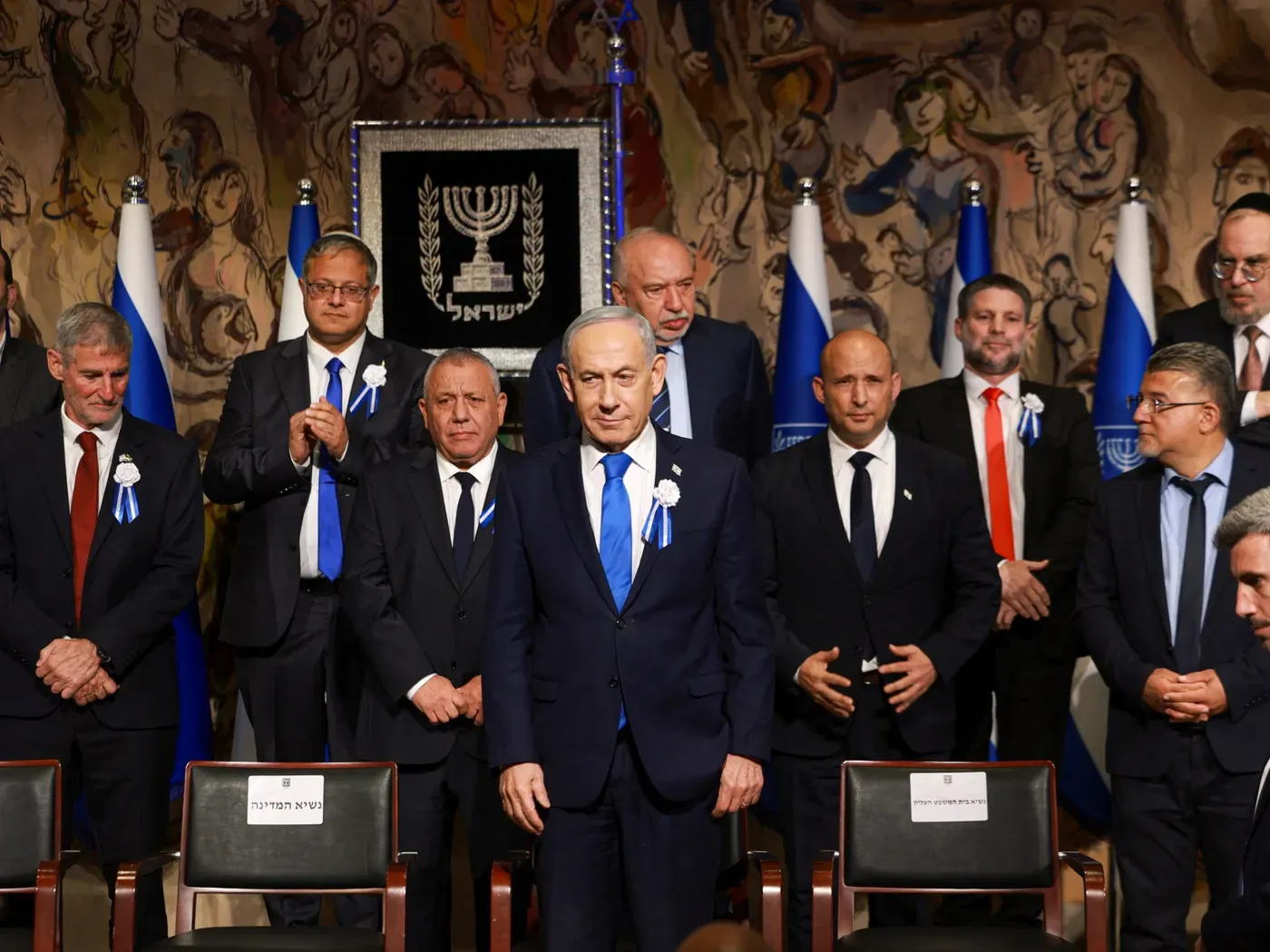
The meeting comes after a significant concession from Netanyahu, who has agreed that Eisenkot could become prime minister first as part of a rotating national unity government. This marks a major shift in his stance, with Netanyahu previously unwilling to relinquish power. The proposed arrangement would see Eisenkot serve initially as prime minister before handing over the role to Netanyahu.
The opposition parties, led by Eisenkot's centrist Yashar party and three other Jewish parties, secured 48 seats in October's election, narrowly missing a majority in the 120-seat Knesset. Meanwhile, Netanyahu's bloc won 53 seats, but fell short of securing control on its own.
Eisenkot has just over a week to form an administration before a deadline expires on December 6th. The pressure is mounting on him to secure support from various factions and parties. As the clock ticks down, negotiations are intensifying in an effort to break the stalemate.
In a social media post, Netanyahu stated that his responsibility as leader compelled him to put aside personal ambitions, including the principle of the largest party holding power. He said he would initially serve as "alternate prime minister under Eisenkot's leadership. The concession has been welcomed by some as a significant step towards resolving the crisis.
The Raam party's leader Mansour Abbas has sparked controversy by acknowledging Hamas as a terror group. In an interview on Saturday, Abbas confirmed his party had voted for a bill that included the designation and co-sponsored it. This move could have significant implications for Israel's politics. Abbas' comments may be seen as a shift in his party's stance.
The leader of Yisrael Beiteinu party has already agreed to join Eisenkot's coalition, along with The Democrats. The bloc still requires one more member to reach the majority needed to form a government. With the addition of these two parties, Eisenkot is moving closer to achieving his goal. The path forward remains uncertain.
Naftali Bennett, leader of Beyachad party, has expressed support for a unity government involving Likud and led by Eisenkot as prime minister. He stated that Netanyahu had made the right decision in proposing such an alliance. Bennett's backing could be a crucial factor in determining the outcome of these talks. His party is still needed to complete Eisenkot's coalition.
Eisenkot's efforts towards forming a majority government are gaining momentum, despite initial reservations from some parties. Bennett has signalled his willingness to work with Likud and join a unity government led by Eisenkot. The proposal for such an alliance was made in response to the magnitude of the existential danger" facing Israel.
Eisenkot has given Likud a 24-hour window to demonstrate its commitment to unity, warning that any further delay will be met with skepticism.
Yashar's leader confirmed that negotiations would focus on the detailed proposal sent to Netanyahu last Sunday, but emphasized that time is running out for the prime minister to respond. Eisenkot expressed frustration at Likud's failure to provide concrete proposals in recent weeks.
Netanyahu finally broke his silence on Saturday, issuing an offer just hours after Eisenkot called out Likud for stalling and accused them of not being serious about negotiations.
Facts based on reporting originally published by BBC News World.
You may republish this story, in full or in part, if you credit Noti Group and link to it (licence CC BY 4.0). Photos are not included.