




Benjamin Netanyahu's Coalition Faces Uncertainty After Election
Gadi Eisenkot is tasked with forming a new government despite his bloc lacking sufficient seats in the Knesset.
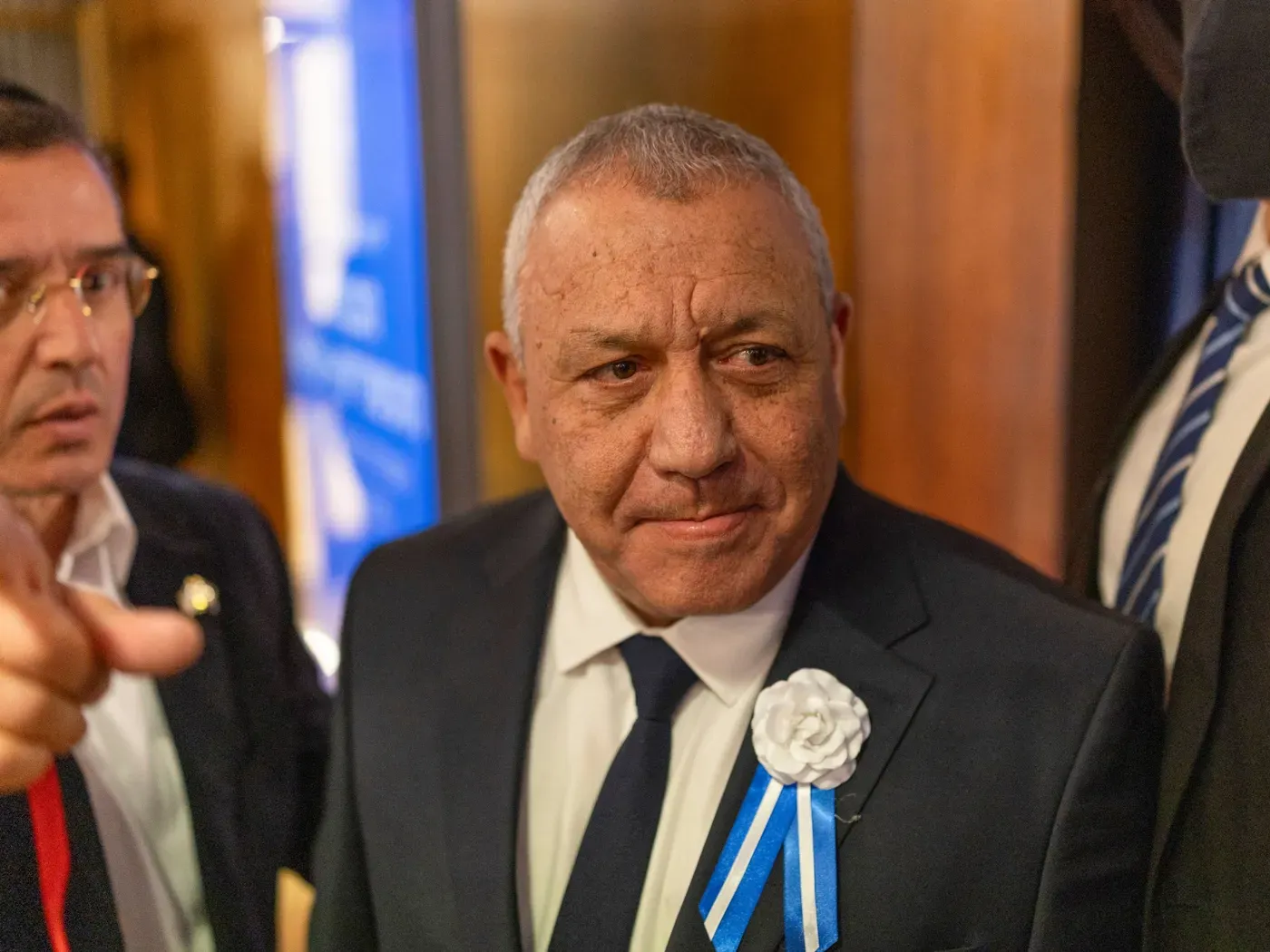
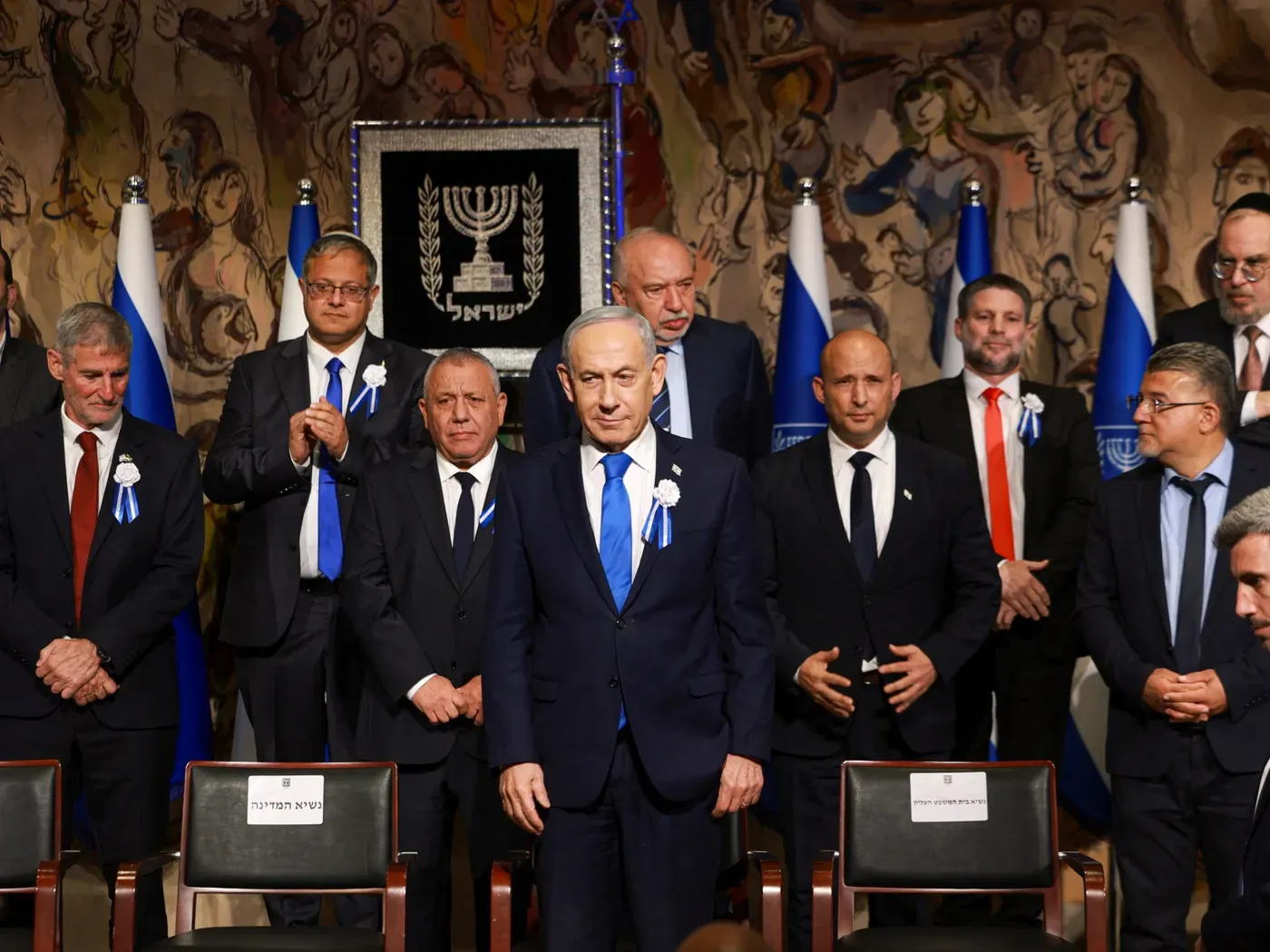
Israeli politics have reached a critical juncture following last month's elections, which saw Benjamin Netanyahu's right-wing coalition facing stiff competition from the "change bloc" led by Gadi Eisenkot.
Netanyahu and his allies campaigned on maintaining their grip on power to safeguard the policies they've implemented, while Eisenkot's group aimed to oust them, restore Israel's global reputation, and heal internal divisions. The stakes were high for both sides, with the elections considered among the most significant in recent years.
The outcome was unexpected, however, as Eisenkot was tasked with forming a new government despite his bloc lacking sufficient seats in the Knesset to secure a vote of confidence on its own. To overcome this hurdle, he may need to rely on external support from other parties.
Eisenkot's camp is now exploring potential alliances, including one with the United Arab List and the Joint List, which together hold 19 seats and have expressed willingness to back him in his efforts to replace Netanyahu as prime minister.
However, not all members of Eisenkot's bloc are on board with this strategy, particularly those who object to cooperating with parties led by Palestinian citizens of Israel or dependent on their votes.
Eisenkot's efforts to navigate a complex web of alliances have not been without controversy, particularly when it comes to his own party's stance on cooperation with certain groups. One such point of contention is the role of Palestinian citizens in Israeli politics, an issue that has sparked debate within Eisenkot's bloc.
In a bid to expand his coalition and secure crucial votes, Eisenkot has been engaging in talks with ultra-Orthodox parties, including the United Torah Judaism party. This move comes as part of a broader effort to build bridges between different factions, but not everyone is on board with this strategy.
The prospect of forming a unity government with Netanyahu's Likud party looms large over these negotiations, and some voices are urging Eisenkot to reconsider his stance on ousting the long-serving prime minister. Bennett has been at the forefront of efforts to broker a deal between Likud and Eisenkot's Yashar party.
However, not everyone shares this view, with some leaders opposing any unity formula that involves Netanyahu. The leader of the Democrats group, Yair Golan, has publicly denounced such an outcome, accusing others of compromising on key principles in pursuit of power.
The negotiations between Likud and Yashar are fraught with challenges, including accusations of undermining national security and allegations of sabotage by one party against the other. Eisenkot's stance on Netanyahu remains a contentious issue, with some accusing him of prioritizing personal gain over the country's well-being.
A unity government would require Eisenkot to accept Netanyahu staying on as prime minister for two years or agreeing to serve second in a rotation agreement, a prospect that could be difficult for him to swallow.
The recent development of judges recommending the dropping of bribery charges against Netanyahu has significantly strengthened his hand in negotiations. This move has prompted Netanyahu to call for an end to the political boycott against him, further solidifying his position.
As Eisenkot navigates this complex situation, he is walking a tightrope between forming a government and losing credibility among his supporters. If he fails to form a coalition, voters may be forced back to the polls while Netanyahu remains in power, potentially handing him another mandate.
Eisenkot's decision will also have significant consequences for the change bloc and its leaders, with some fearing that a failure to deliver on promises could spell the end of their careers. The pressure is mounting as Eisenkot weighs his options against the potential risks of unity with Netanyahu.
Many observers are drawing parallels between this situation and the coalition agreement between Netanyahu and Benny Gantz in 2020, which included a rotating premiership but ultimately collapsed before it could be implemented.
Forming a unity government with Benjamin Netanyahu would be a drastic reversal of promises made by Eisenkot's party on key issues like transparency and judicial reform.
Netanyahu's allies have already established themselves within Israel's state bureaucracy, making it easier for them to entrench their policies, which could undermine the principles of Eisenkot's party.
This development is also symptomatic of a broader issue in Israeli politics: the country's inability to reconcile its Jewish and Arab populations. According to sociologist Honaida Ghanem, this structural problem stems from anti-Arab sentiment being one of the few issues that most Jewish Israelis can agree on.
The prospect of Eisenkot and Netanyahu joining forces remains uncertain due to the significant personal and political risks such an alliance would pose for the change bloc leaders.
Facts based on reporting originally published by Al Jazeera.
You may republish this story, in full or in part, if you credit Noti Group and link to it (licence CC BY 4.0). Photos are not included.