




ICC Faces Critical Juncture as Member States Consider Revising Rome Statute
The International Criminal Court is facing a potential overhaul of its jurisdiction, sparking concerns among human rights advocates that it may undermine the court's ability to hold individuals accountable for international crimes.
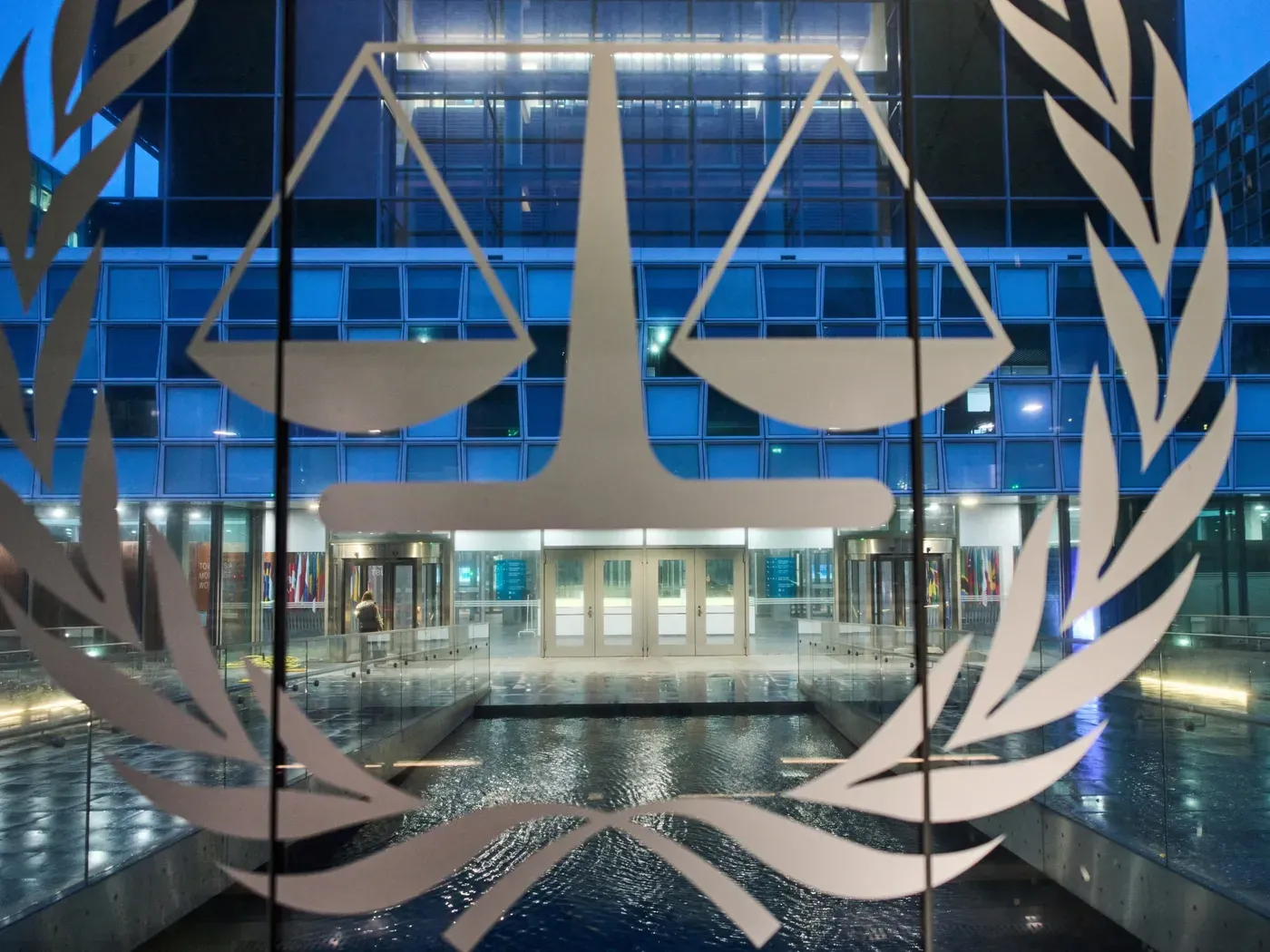
The International Criminal Court (ICC) is facing a critical juncture as its member states consider revising the Rome Statute, which serves as the foundation for the court's jurisdiction. This potential overhaul has sparked concerns among human rights advocates who fear it may undermine the ICC's ability to hold individuals accountable for international crimes.
Amnesty International Secretary General Agnes Callamard has sounded a warning bell regarding these developments, describing them as "a dangerous step towards 'constructive dialogue' with the Trump administration." Her words echo growing unease among those monitoring the situation. The Dutch Foreign Minister Tom Berendsen has acknowledged that negotiations are underway between the Netherlands and the US.
The six-month reprieve granted by the US government is being framed as an opportunity for member states to demonstrate progress in resolving their diplomatic and legal disputes with Washington. This window of time comes with a warning: failure to comply will result in severe sanctions. The timing of this announcement has sparked debate among experts, who are left wondering what exactly the Trump administration hopes to achieve.
The core issue at stake is the interpretation of the Rome Statute, specifically its provisions regarding the court's jurisdiction over individuals from non-member states. The US government wants to see these rules amended to ensure that no citizen of a state outside the ICC's purview can be subjected to its jurisdiction, regardless of where their alleged crimes took place.
A closer examination of past actions reveals a pattern: members of the Trump administration have repeatedly claimed that their efforts are aimed at protecting American citizens from potential prosecution by the ICC. However, this narrative has been consistently contradicted by events on the ground. The most recent example is the ICC's decision to discontinue an investigation into alleged US war crimes committed in Afghanistan.
This development raises questions about the true intentions behind the Trump administration's actions and whether they are genuinely concerned with safeguarding American interests or pursuing a more sinister agenda.
The United States is pushing for significant concessions from the International Criminal Court (ICC), including immunity for heads of state and an end to investigations into alleged war crimes in Palestine. This move has sparked concerns that member states may be compromising their commitment to international justice.
Notably, none of the 125 ICC member countries have publicly stated that the Rome Statute, which established the court's jurisdiction, is non-negotiable. This silence is particularly striking given the pressure being exerted by the US administration on the ICC and its supporters.
If the US succeeds in limiting the court's jurisdiction or imposing sanctions, it would deal a significant blow to the international justice system. Those who would benefit most from this outcome are individuals like Israeli Prime Minister Benjamin Netanyahu, accused of some of the worst crimes committed in recent decades.
Netanyahu is at the center of Washington's efforts to undermine the ICC, with Trump making his true intentions clear: the sanctions on the court were never about protecting American interests, but rather about shielding Netanyahu from accountability.
The consequences of a weakened ICC would be far-reaching and devastating for those seeking justice in the Middle East. If Trump's efforts to undermine the court succeed, Israeli Prime Minister Benjamin Netanyahu would likely escape accountability for his alleged war crimes and crimes against humanity.
Netanyahu's prosecution is centered on his handling of the Gaza conflict, where thousands have been killed or displaced. The ICC's involvement was made possible by Palestine's acceptance of its jurisdiction, despite not being a member state itself.
The court's investigation into Palestine has become a crucial test case for its independence and impartiality. If it caves to pressure from powerful nations, many will question the institution's commitment to upholding the law and protecting victims' rights.
A major beneficiary of an ICC gutting would be Russian President Vladimir Putin, who faces his own arrest warrant over allegations of abducting Ukrainian children and giving them to Russian families. This warrant was issued due to Ukraine's acceptance of the court's jurisdiction.
Myanmar's military has been accused of perpetrating atrocities against the Rohingya minority, with many states considering this as genocide.
The International Court of Justice recently ruled that Myanmar's actions towards the Muslim minority were the "only reasonable inference" to explain their behavior, underscoring the severity of the situation.
In 2024, the ICC Prosecutor sought a warrant for Senior General and Acting President Min Aung Hlaing, alleging he committed crimes against humanity by forcing Rohingya people out of their homes and persecuting them.
Bangladesh's acceptance of the court's jurisdiction has allowed the ICC to investigate these allegations despite Myanmar not being a member-state.
The notion that the International Criminal Court's actions directly deter international crimes is a simplistic one. However, without consequences for such atrocities, violence, death, and destruction become an integral part of the global system rather than a failure to uphold it.
Member states must be vigilant in defending the ICC from attempts by non-member countries like the US to undermine its authority through sanctions or negotiations. The court's jurisdiction cannot be compromised, and member states should stand firm against any efforts that would weaken it.
Facts based on reporting originally published by Al Jazeera.
You may republish this story, in full or in part, if you credit Noti Group and link to it (licence CC BY 4.0). Photos are not included.