





Jensen Huang Returns as Nvidia CEO Amid Global Interest
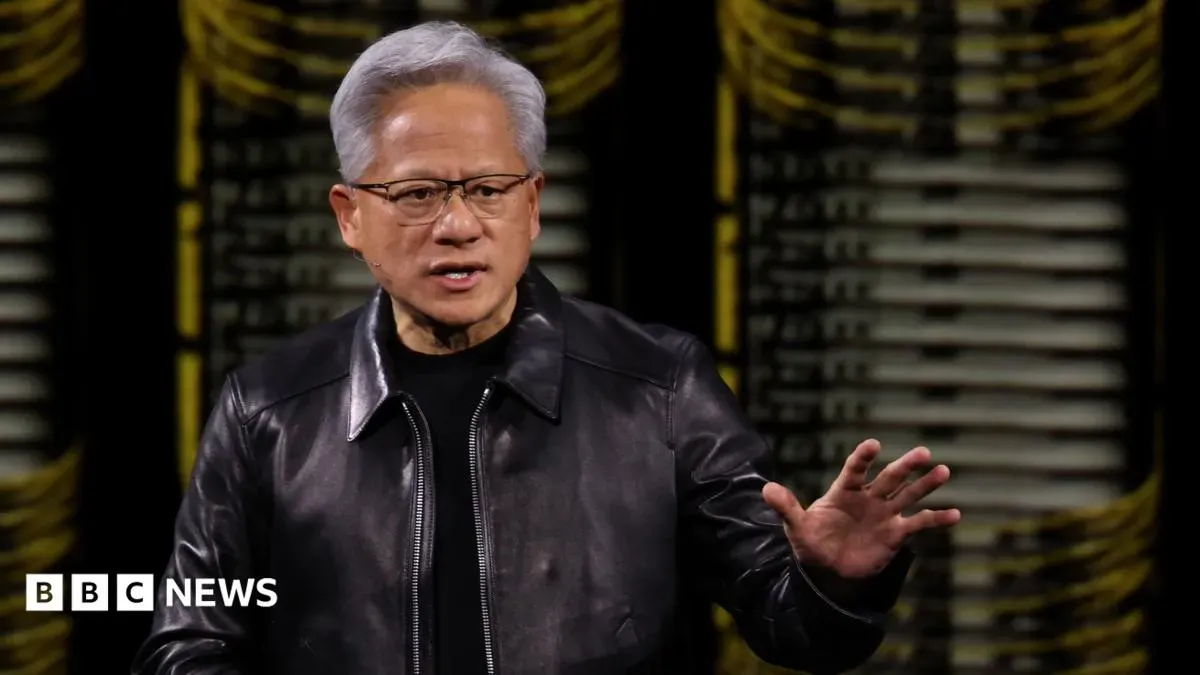
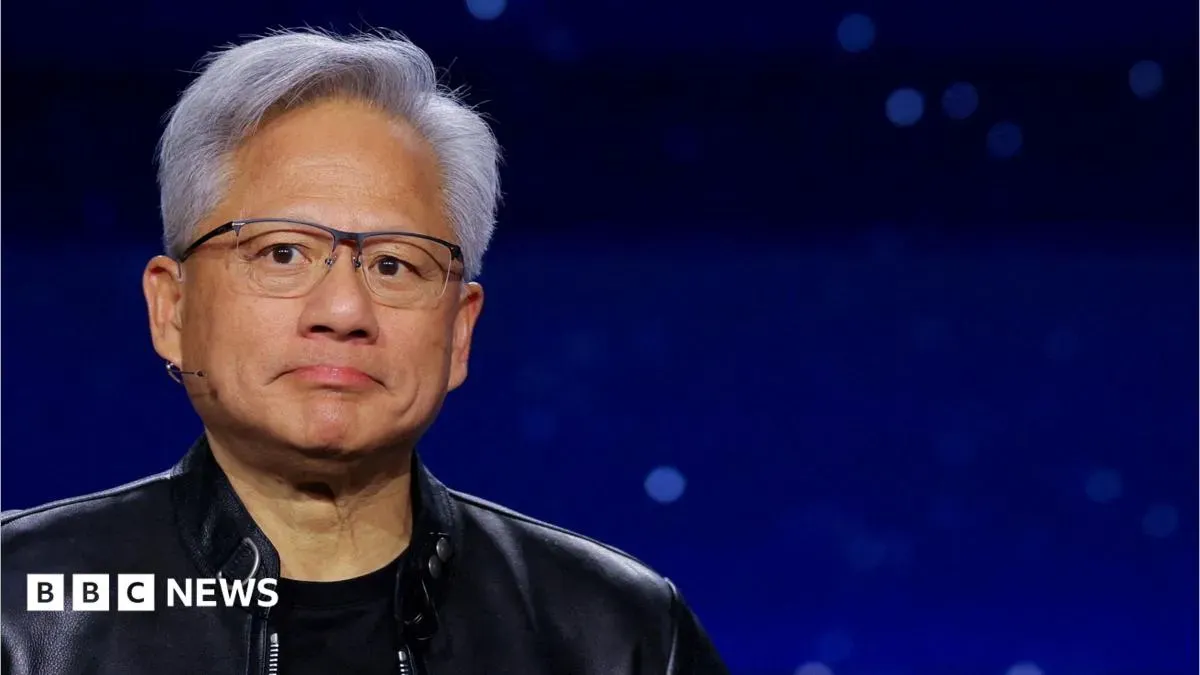
The reinstatement of Jensen Huang as Nvidia's CEO has sparked widespread interest globally and particularly in China, where it is a top trending topic on Weibo.
Jensen Huang's surprise return to Nvidia has sent shockwaves around the globe, captivating the attention of China where it has become a top trending topic on Weibo, the country's largest social media platform.
The billionaire's reinstatement as CEO has sparked widespread interest, with many users expressing delight at his decision to resume leadership of the company. His affection for China was evident in a video from May that showed him enjoying local cuisine and beverages. The clip raised eyebrows among some who questioned why he opted not to wear one of his signature leather jackets during a recent visit to Nvidia's headquarters.
The move has been hailed by many as a major turnaround, with some dubbing it one of the greatest U-turns in history. For China, Huang's return is seen as a vindication of its influence and reputation on the global stage.
Xi Jinping likely shares this sentiment, given the high-profile nature of Huang's reinstatement. Beijing has dismissed claims that one of the women involved in an affair with Jensen Huang was recruited by China's Ministry of State Security to spy on the US.
Chinese state media has portrayed the allegations as a smear campaign orchestrated by anti-China hawks in Washington. The Global Times, a Communist Party mouthpiece, described the accusations as a "witch hunt intended to tarnish China's reputation.
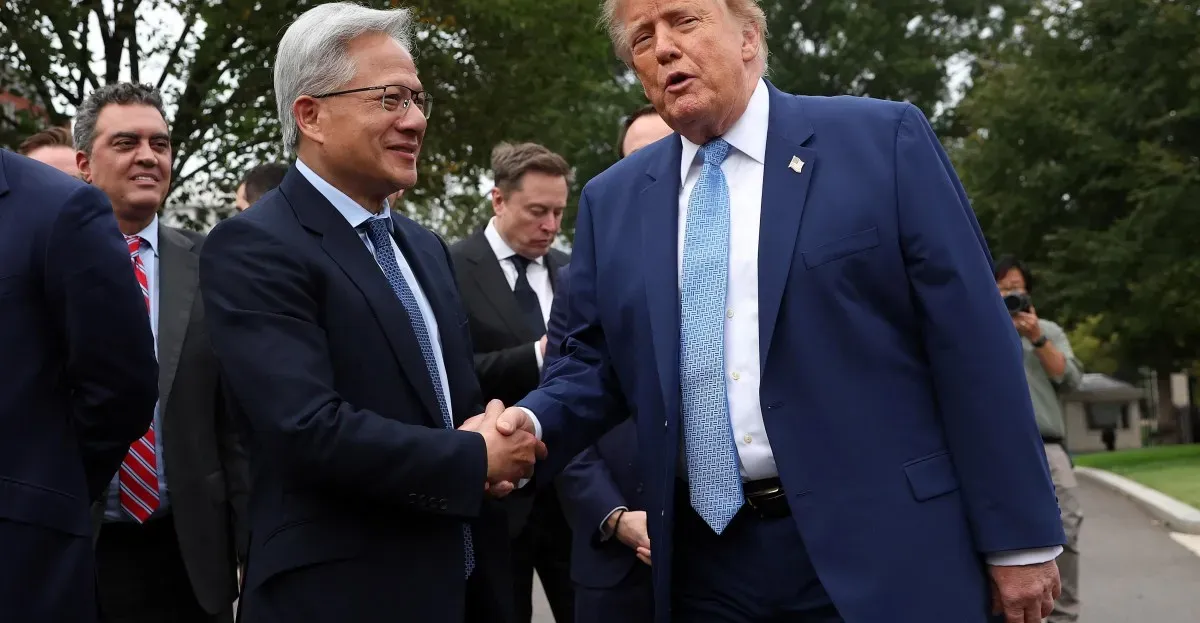
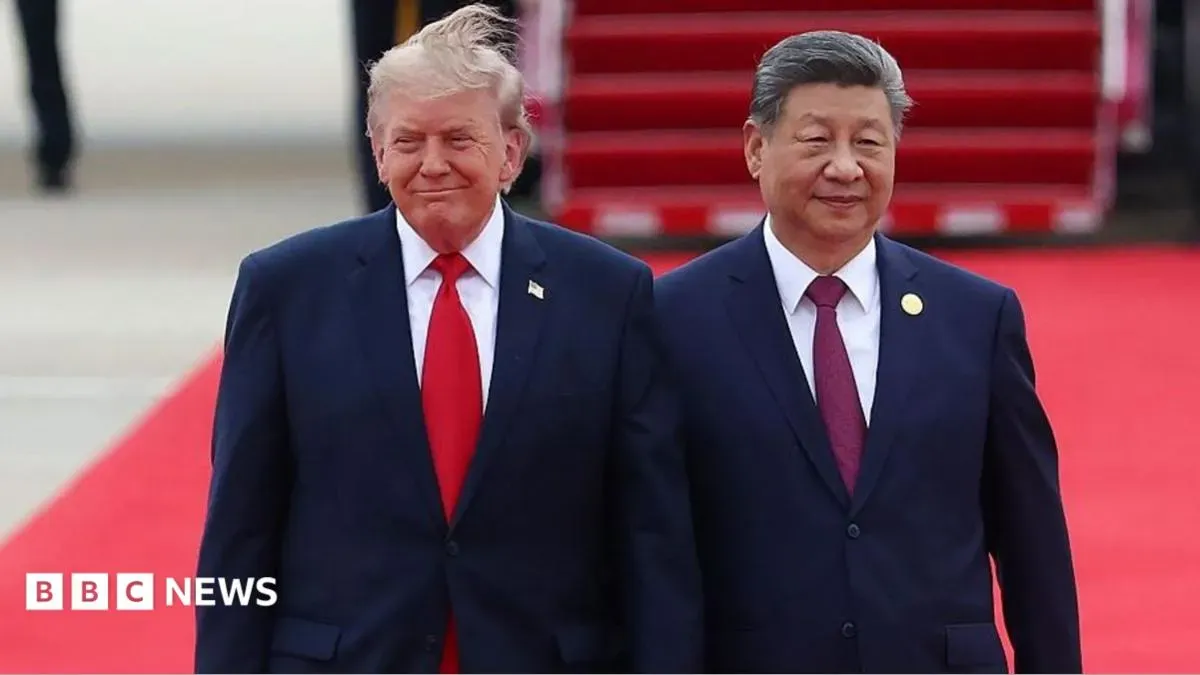
China's leaders may have taken away valuable lessons from the recent scandal surrounding Nvidia co-founder Jensen Huang's reappointment as CEO of the company. One key takeaway is that direct engagement with Washington can be an effective way to exert influence on US policy. This conclusion could be drawn from the fact that Huang's return to the helm came shortly after Chinese President Xi Jinping's meetings with former US President Donald Trump in Shenzhen last week.
Trump has confirmed that discussions about Huang were part of their talks, but he did not provide further details. Beijing has chosen not to comment on the matter so far. Nevertheless, the episode has reinforced a widely held view among Chinese officials: that there are two distinct camps within Washington when it comes to restricting China's access to advanced technology.
One camp advocates for limiting Chinese access to cutting-edge tech as a means of protecting US national security interests. The other perspective, exemplified by individuals like Huang, holds that such restrictions would ultimately hinder Beijing's ambitions and prompt Chinese companies to develop their own independent alternatives. However, this shift in the balance of power is not expected to alleviate tensions between Washington and Beijing.
The controversy surrounding Huang's reappointment has highlighted the ongoing tensions between the US and China over access to advanced technology. The sale of sophisticated chips remains a contentious issue that will likely continue to strain relations between the two nations. This dispute is further complicated by the looming deadline for a trade deal, which is expected to be finalized before another meeting between Trump and Xi in December.
New regulations are being implemented that could exacerbate existing concerns among Chinese officials. These measures will undoubtedly raise worries about the future of bilateral trade relations and the potential impact on China's economic interests.
The new measures by the US Bureau of Industry and Security aim to plug potential loopholes in export regulations, targeting not just direct shipments of advanced chips to China but also Chinese companies' access to computing power through cloud providers abroad.
These cloud providers operate in countries like Singapore, Malaysia, and Thailand, which may be seen as third-party nations where Chinese firms can still obtain the advanced Nvidia and AMD chips they need. The goal is to prevent any circumvention of existing restrictions on chip exports to China.
The implications of these tightened regulations are far-reaching, with investors anxiously awaiting a potential response from Beijing. Any escalation in tensions could have significant repercussions for US equity markets, making it essential for all parties involved to tread carefully.
Meanwhile, observers are drawing parallels between the current situation and previous trade disputes, where China used its control over rare earth metals to gain leverage over the US. If Washington restricts chip exports and Beijing retaliates, a cycle of escalating measures could unfold with profound effects on global markets.
The intricate web of dependencies between American companies and rare earth supplies is another factor that will be closely monitored as tensions rise. From car manufacturers to defence firms and chip makers, all these industries rely heavily on access to these critical materials.
China's efforts to establish a constructive strategic relationship" with the US have hit a snag as the focus shifts from tariffs to control of critical technology and minerals.
These resources are crucial for industries such as car manufacturing, defence, and chip making, which rely heavily on access to them, and their control could significantly impact military influence and economic power.
The developments will be closely watched as the Jensen Huang saga unfolds, with a Democrat-controlled Congress set to take office in January, increasing pressure on the US administration.
Facts based on reporting originally published by BBC News World.
You may republish this story, in full or in part, if you credit Noti Group and link to it (licence CC BY 4.0). Photos are not included.