






Mitochondrial Dysfunction Treated with Lower Oxygen Levels
Researchers at Gladstone Institutes have found that reducing oxygen levels can triple the lifespan of mice suffering from a deadly brain disorder.

Mice suffering from a deadly brain disorder have seen their lifespan tripled when subjected to lower oxygen levels, according to groundbreaking research.
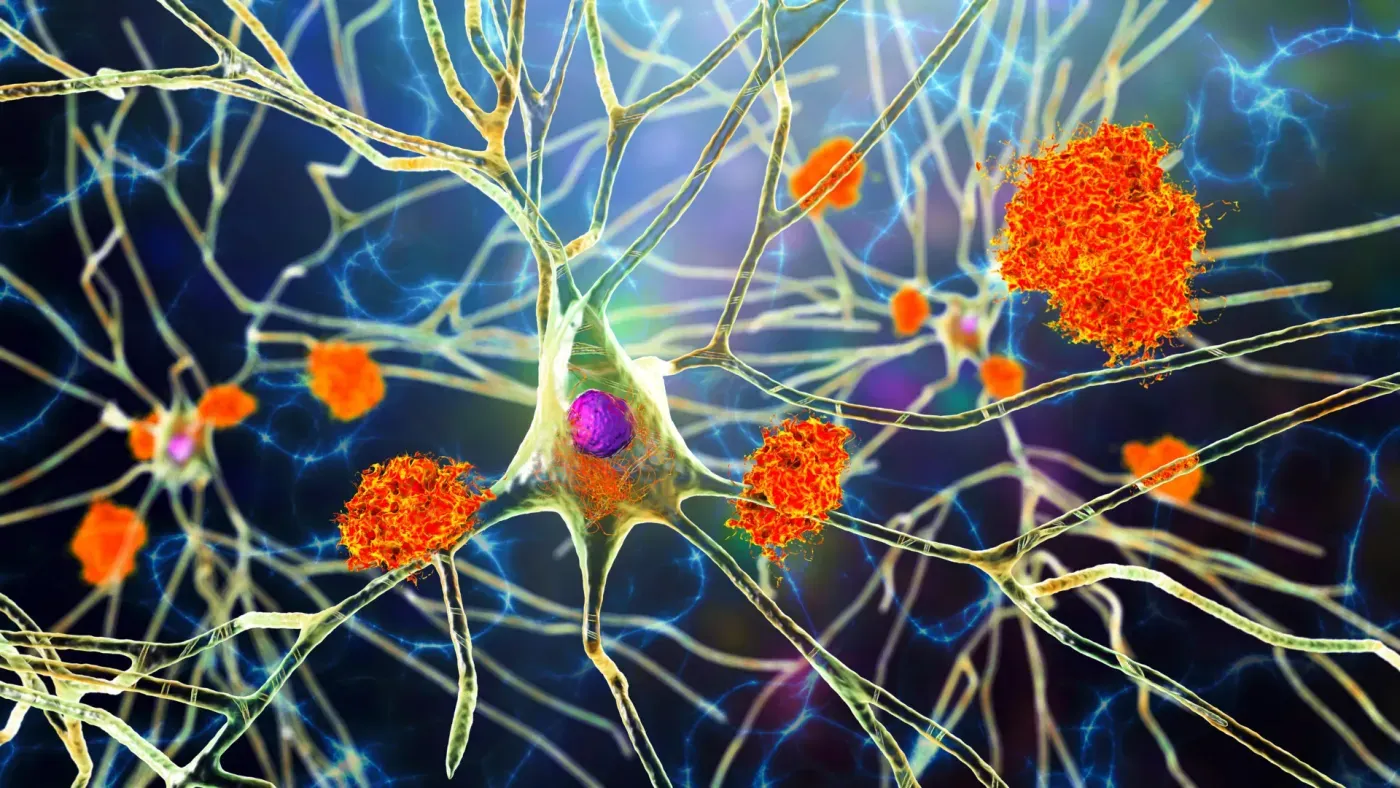
The study focuses on mitochondrial dysfunction and neurological damage, conditions that affect numerous diseases including Parkinson's disease and premature aging. Mitochondrial disorders are caused by problems with the mitochondria, tiny structures within cells responsible for generating energy. These disorders can lead to severe health issues, often resulting in early death.
Researchers at Gladstone Institutes have been investigating a promising approach to treat these conditions by reducing oxygen availability to the body. This strategy is known as hypoxia therapy and has shown potential benefits in various diseases, including diabetes and solid tumors.
The team's latest findings suggest that lowering oxygen levels can also benefit people with rare and common conditions involving mitochondrial dysfunction and neurological damage. By exploring this approach further, scientists hope to develop new treatments for a range of debilitating disorders.
The study builds on the work of Gladstone Investigator Isha Jain, PhD, who has spent over a decade studying how oxygen levels influence health and disease. Her research has already shown that reduced oxygen availability at high altitudes can have beneficial effects in conditions such as Leigh syndrome and diabetes.
Jain's team partnered with experts from the University of Pennsylvania and UC San Francisco to investigate whether lowering oxygen levels could benefit mice experiencing motor neuron degeneration caused by defective HTRA2 proteins.
The research team's findings suggest that hypoxia therapy could be a game-changer in treating neurological diseases, according to lead researcher Jain.
Mitochondria are tiny structures within cells responsible for generating energy through oxygen consumption. A key component of this process is Complex 1, a massive molecular machine within the mitochondria's respiratory machinery.
According to Ankur Garg, PhD, postdoctoral fellow and first author of the study, "every time we breathe, 90 percent of the oxygen we consume goes to our mitochondria." However, if Complex 1 malfunctions, mitochondria struggle to burn off oxygen efficiently.
When mitochondria fail to regulate oxygen consumption properly, unused oxygen accumulates in surrounding tissues and can become toxic. This process contributes to brain damage associated with certain mitochondrial and neurological disorders. The researchers hypothesized that reducing oxygen availability might mitigate some of this damage.
The team re-examined data from a previous large-scale experiment to identify genes whose absence impairs cell growth under normal oxygen conditions but allows cells to grow normally when oxygen levels are reduced.
The researchers analyzed their findings in relation to known genetic disorders, pinpointing 75 genes directly linked to potential hypoxia therapy benefits.
Among these promising candidates stood out the gene encoding HTRA2, a protein that collaborates with CLPB to maintain the structural integrity of Complex 1 within cells.
According to Dr. Jain, HTRA2 and CLPB work together like a team inside mitochondria, preventing the machinery from becoming clogged with misfolded proteins by clearing them out efficiently.
When HTRA2 and CLPB are absent or malfunctioning, the cellular maintenance system breaks down, causing a critical component of Complex 1 to stop functioning properly as a result.
The presence of these two proteins is crucial for maintaining mitochondrial health, and their absence has significant consequences for cells.
Researchers are exploring ways to replicate the benefits of low oxygen therapy without requiring patients to breathe less oxygen. A potential solution is a medication called HypoxyStat, which could mimic the effects of reduced oxygen levels through an oral or injectable form.
According to Jain, this approach holds significant promise for treating genetic conditions associated with mitochondrial dysfunction. Currently, there are no universally available treatments for these disorders, and hypoxia therapy offers a glimmer of hope for addressing multiple conditions at once.
Facts based on reporting originally published by ScienceDaily Health.
You may republish this story, in full or in part, if you credit Noti Group and link to it (licence CC BY 4.0). Photos are not included.