








Clinical Trial Finds Ketogenic Diet Effective in Reducing Liver Fat and Improving Metabolic Health
A clinical trial has revealed that a ketogenic diet can have significant benefits for individuals with prediabetes and high liver fat content, resulting in a 67% reduction in liver fat after four months.
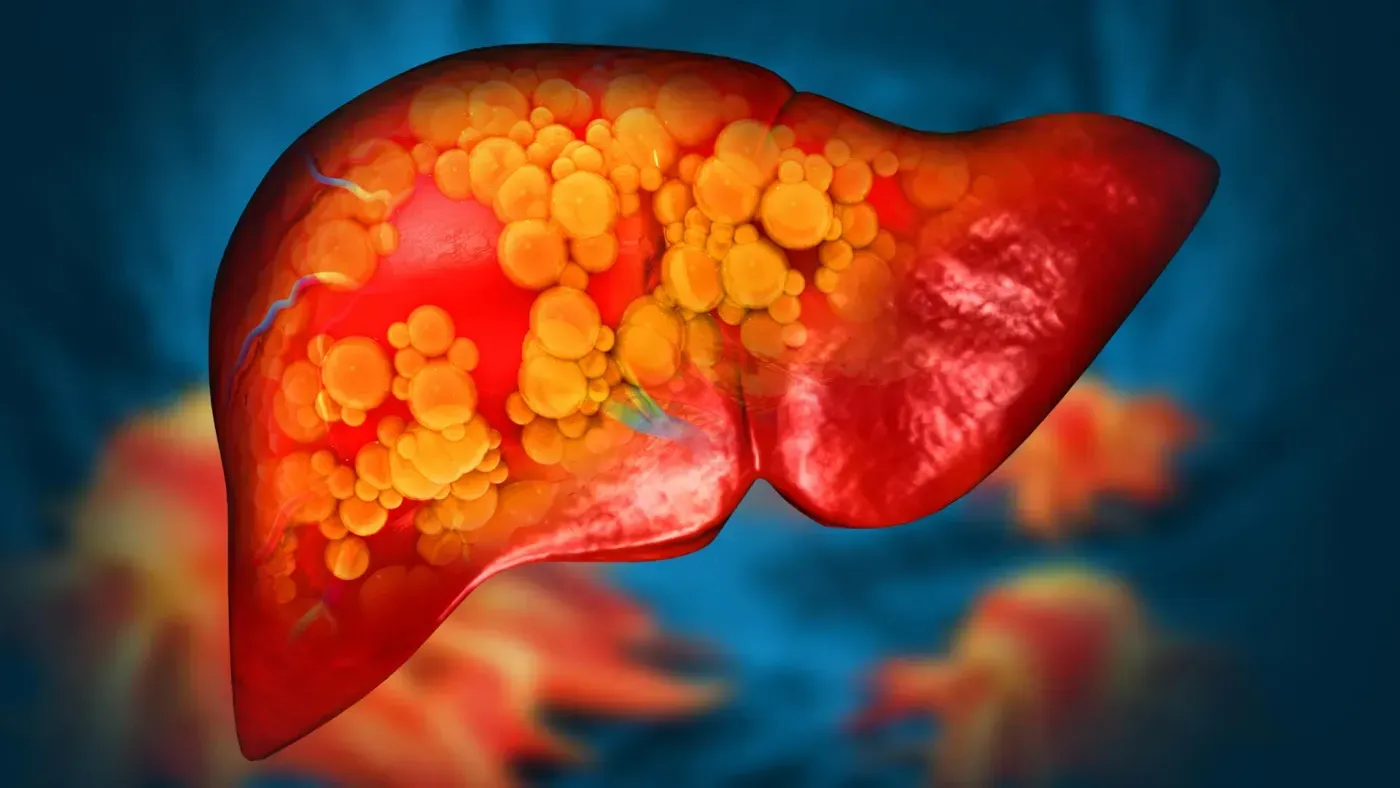
A groundbreaking clinical trial has revealed that a ketogenic diet can have far-reaching benefits for people struggling with prediabetes and high liver fat content.
Researchers at Washington University School of Medicine in St. Louis, Missouri, conducted a comprehensive study comparing the effects of three popular diets: very low-carbohydrate, high-fat; Mediterranean; and low-fat. The results were striking, showing that individuals following a ketogenic diet experienced significantly greater reductions in liver fat compared to those on other diets.
Despite losing similar amounts of weight across all three groups, participants on the ketogenic diet saw their liver fat levels plummet by an astonishing 67% after just four months. Furthermore, approximately half of the participants no longer met the diagnostic criteria for prediabetes within this timeframe.
According to Samuel Klein, corresponding author of the study, We know that weight loss can improve metabolic health in obese individuals. However, he notes that their data suggest a more profound impact of reducing carbohydrate intake on metabolism beyond mere weight loss.
The prevalence of obesity is staggering, with an estimated 40% of American adults affected by this condition. As a result, doctors often recommend dietary changes to help patients lose weight and improve their metabolic health. This study sheds new light on the therapeutic potential of a ketogenic diet in addressing these pressing health concerns.
The key to unlocking the benefits of different diets lies in understanding their unique nutritional profiles. While low-carbohydrate diets like Atkins restrict carbohydrate intake, low-fat diets often rely heavily on carbs for up to 70% of their calorie content.
Ketogenic diets stand out from other approaches due to their emphasis on fat as a primary source of energy. This can include saturated fats found in animal products, which has led some experts to question the long-term health implications of such diets.
To compare these diets' effects, researchers recruited 42 adults struggling with obesity, prediabetes, and fatty liver disease. Prediabetes occurs when blood sugar levels exceed normal ranges but haven't yet reached type 2 diabetes thresholds.
Participants were randomly assigned to one of three diets: ketogenic, Mediterranean, or a low-fat diet focusing on plant-based foods. The research team ensured participants followed their assigned eating plans by providing all meals and scheduling weekly consultations with a dietitian.
The three diets had distinct profiles when it came to carbohydrates and fat intake. The ketogenic diet was characterized by an extremely low-carb approach, with carbs accounting for just 4% of daily calories, while fat provided a whopping 73%. In contrast, the Mediterranean group received 50% of its calories from carbohydrates and 35% from fat. Meanwhile, the plant-forward group consumed a relatively high proportion of carbohydrates, at 70%, but still managed to keep fat intake at a moderate level of 15%.
To ensure that participants across all three groups experienced similar weight loss, researchers individually adjusted calorie intake so that everyone lost around 10% of their starting body weight. This goal took roughly four to five months to achieve.
By the end of the intervention period, every group had made significant strides in reducing body fat and improving insulin sensitivity. Insulin is a vital hormone that helps cells absorb sugar from the bloodstream for energy use. When the body becomes more responsive to insulin, it can maintain healthy blood sugar levels with greater ease.
However, the similarities between groups began to fade when examining liver function and metabolic health indicators. The ketogenic diet stood out as a clear leader in this regard.
Participants on the keto diet experienced an impressive 67% reduction in liver fat by the end of the intervention period. This was significantly higher than the 45% reduction seen in both the Mediterranean and plant-forward groups, which suggests that carbohydrate restriction may play a key role in influencing liver fat beyond just weight loss.
The researchers behind this study wanted to delve deeper into the effects of a ketogenic diet on liver fat by monitoring hormone levels over time. To do so, they collected blood samples from participants at regular intervals, giving them a window into changes in energy metabolism.
One key finding was that the ketogenic group experienced a significant surge in glucagon production - a hormone instrumental in regulating the body's energy reserves and facilitating the breakdown of liver fat. Conversely, insulin levels plummeted among keto dieters, a change that can help reduce the accumulation of excess fat in the liver.
The study produced an unexpected outcome: despite deriving nearly three-quarters of their daily calories from fat, participants on the ketogenic diet did not exhibit increased blood fat or cholesterol levels throughout the trial period.
Approximately half of the individuals assigned to the keto diet no longer met the criteria for prediabetes after undergoing weight loss interventions. In comparison, this milestone was reached by roughly a third of those following the Mediterranean diet and just 7% of those on the low-fat, plant-forward plan.
The implications of this study's findings are significant, particularly given the link between prediabetes and a heightened risk of developing type 2 diabetes.
A closer look at the data reveals that while weight loss is an important factor in improving metabolic health, it is not the only determining factor. The composition of a diet can play a crucial role in how the body handles blood sugar, stores fat, and responds to hormones.
The development of GLP-1 medications has transformed the treatment of obesity by enabling patients to achieve substantial weight loss. These medications work on hormone pathways involved in appetite and blood sugar regulation.
"GLP-1-based medications have revolutionized the therapy of obesity," notes Petersen. "We now have a very effective pharmacotherapy for achieving significant weight loss." However, he also highlights that the specific composition of a diet can offer additional benefits beyond what these medications provide.
The trial's carefully controlled design offers valuable insights into the role of dietary composition in metabolic health, despite its relatively small size and limited duration. Further studies will be necessary to determine whether the observed benefits persist over time and how different diets compare.
Research on the keto diet has shown significant benefits for liver health, with a substantial reduction in liver fat observed in just four months.
The study's findings suggest that this diet can be an effective tool in managing liver disease, and further investigation is needed to determine its long-term effects and compare it to other diets.
Facts based on reporting originally published by ScienceDaily Health.
You may republish this story, in full or in part, if you credit Noti Group and link to it (licence CC BY 4.0). Photos are not included.