







US Leaders Pledge to Boost Petrol Production Amid Global Disruptions
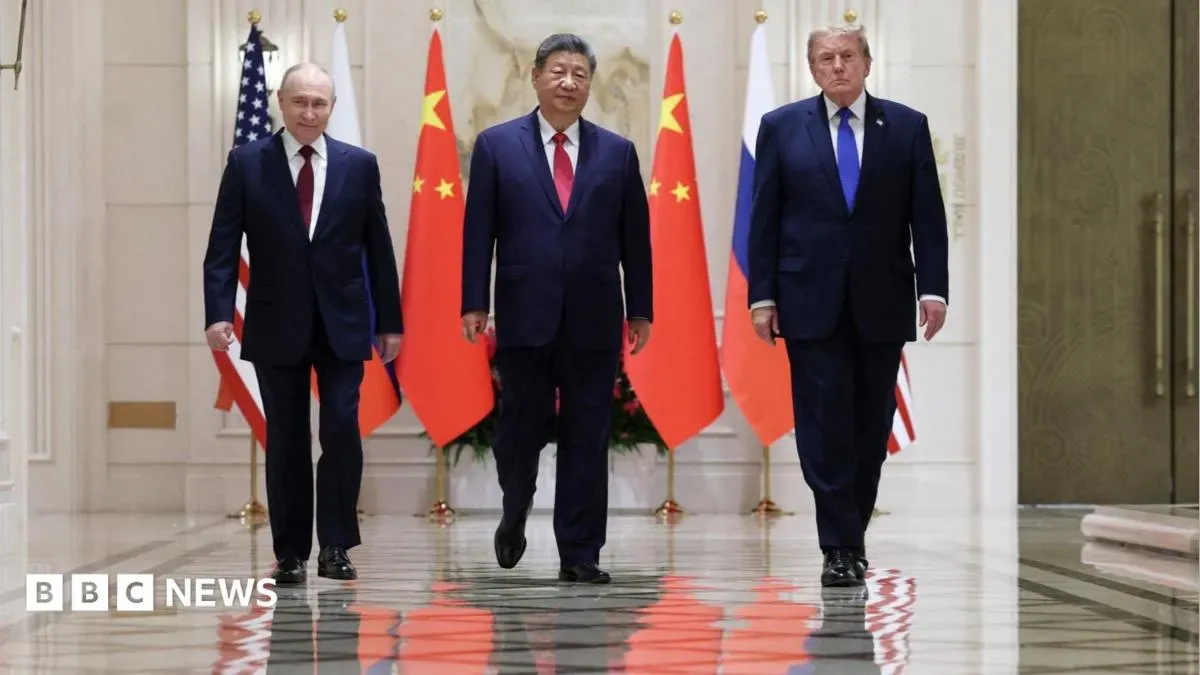
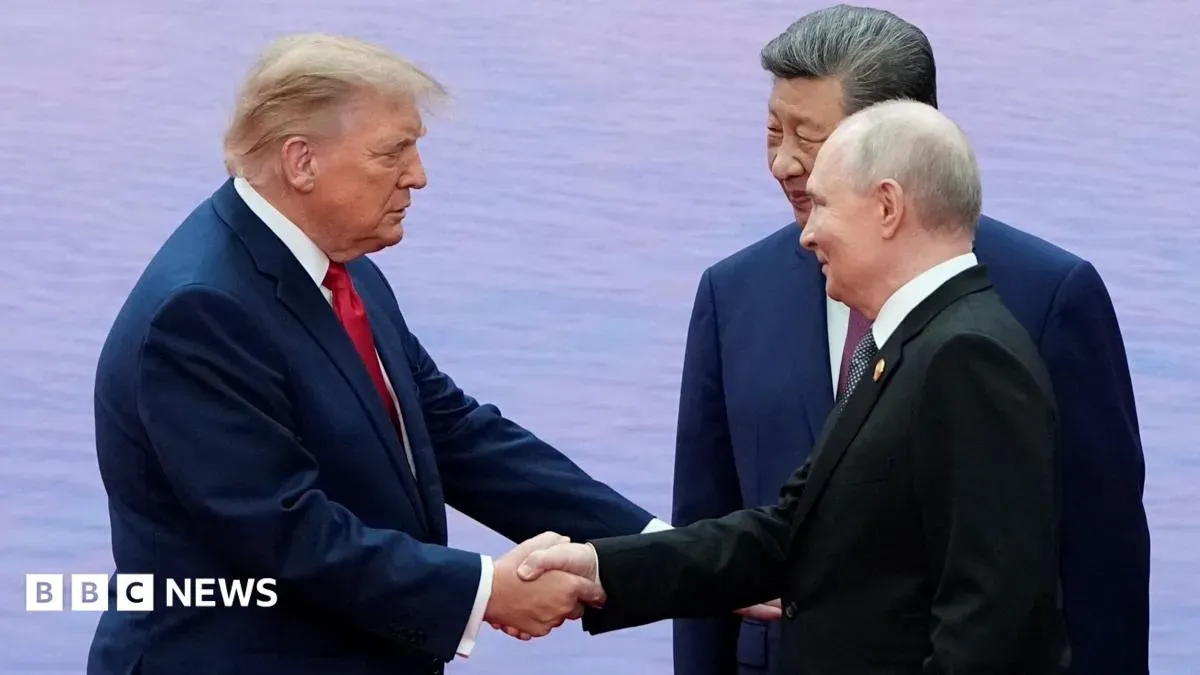
The United States, China, and Russia have made a joint commitment to boost petrol production and supply after their summit in Shenzhen, China.
Global energy markets are facing immense pressure due to ongoing conflicts in Iran and Ukraine, causing widespread disruptions to oil supplies.
The United States, China, and Russia have made a joint commitment to boost petrol production and supply after their summit in Shenzhen, China, on Thursday. The three leaders issued a statement vowing to increase refined petroleum products for the benefit of all nations.
Analysts are questioning the feasibility of this pledge, given the significant challenges facing each country's energy sector. The US has limited refining capacity, while Russia is struggling with ongoing attacks on its energy infrastructure in Ukraine and China's crude oil imports have been disrupted by the conflict in Iran.
The joint statement from Trump, Xi, and Putin also emphasizes the importance of stable energy flows, but experts remain skeptical about the leaders' ability to deliver on their promise. Some observers see the announcement as a gesture aimed at placating consumers and political constituencies rather than a genuine attempt to address global fuel shortages.
China's oil refining capacity is substantial, with an estimated 18.5 to 18.83 million barrels per day (bpd) of processing power. However, this capability is heavily reliant on crude oil imports from abroad, which have been severely impacted by the ongoing conflict in the Strait of Hormuz.
The disruption has resulted in a significant decline in China's crude oil refinery imports. According to a recent report by the US Energy Information Administration (EIA), these imports fell by 2.1 million bpd in the second quarter of 2026, followed by an additional decrease of 0.8 million barrels per day in the third quarter.
The impact on China's refining capacity is substantial, as it relies heavily on imported crude oil to meet its processing needs. In contrast, the US has seen a surge in production since the conflict began, with refineries operating at near full capacity.
As reported by the EIA in October, the US refinery fleet has been running at extremely high rates this year, with an average utilisation of over 95 percent between May and September - a level not seen since 1998.
Ukrainian drone strikes have severely impacted Russia's refining capacity, forcing a significant reduction in its oil processing levels. According to an International Energy Agency report from September, Russian refinery throughput fell to 3.8 million barrels per day in June, a level not seen in over two decades.
This marked a 30 percent drop compared to the same period last year and highlights the challenges facing Russia's energy sector due to ongoing conflicts. In contrast, India has an oil refining capacity of about 5.36 million bpd, as reported by government figures.
However, New Delhi is heavily reliant on crude oil imports, which have been affected by blockades in the Strait of Hormuz, a critical shipping route. This has put additional pressure on India's energy sector and underscored the need for reliable supply chains.
The tight global supplies for distillate fuel oil have driven high international demand for US distillate fuel oil exports, according to an EIA report from November. Distillate fuel oil includes refined petroleum products such as diesel fuels and light fuel oils.
While refining more oil amid higher oil prices this year may be profitable, the US does not have spare capacity to do so, Hussain noted. The Trump administration is determined to boost global fuel supply, with the Energy Secretary indicating that his department is exploring options to reopen every refinery possible to achieve this goal.
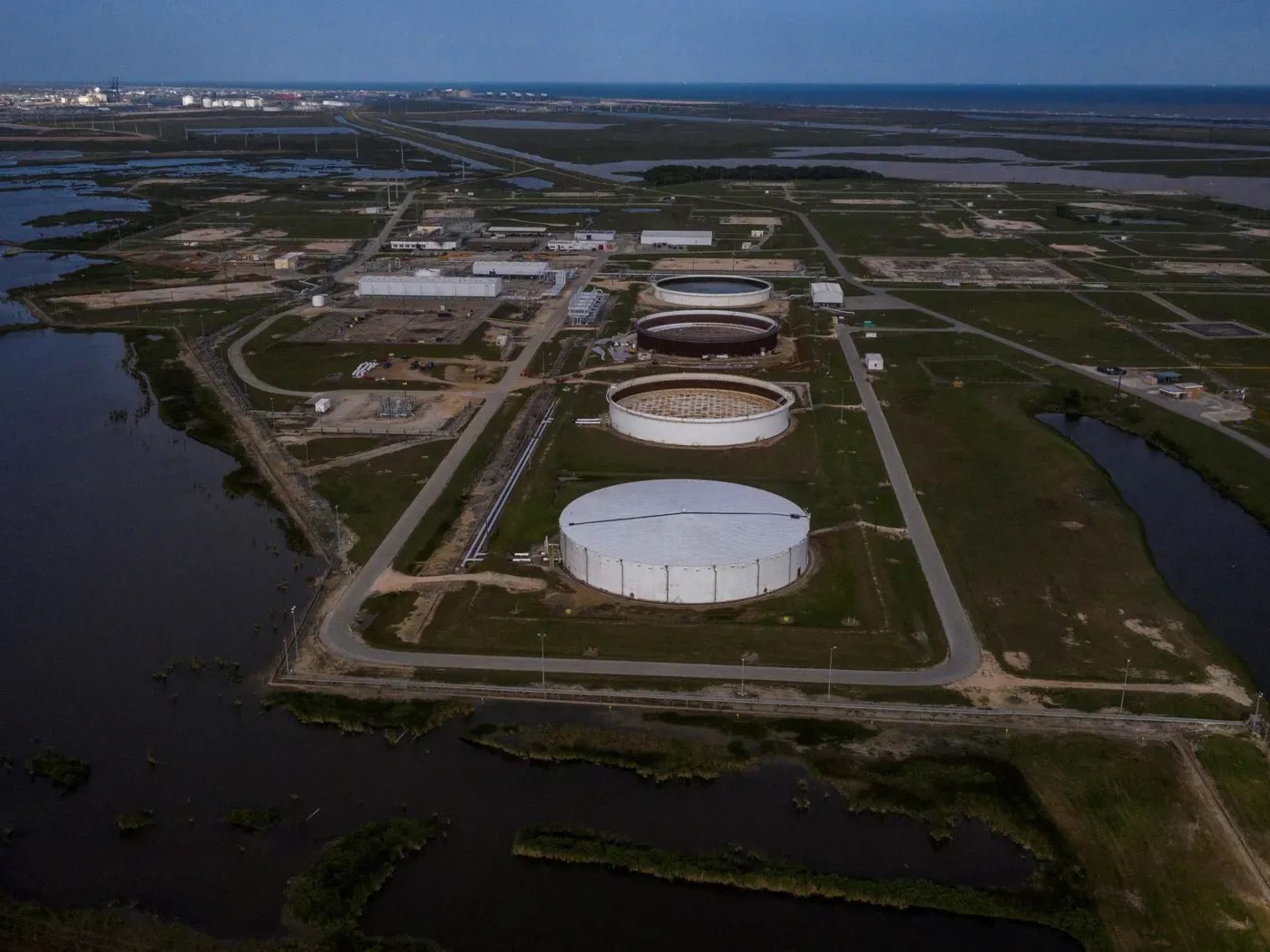
The US government's efforts to boost global fuel supply have received a significant boost with the acquisition of a major refinery in Texas by Valero Energy. The company has agreed to buy the century-old LyondellBasell Industries facility and restore part of it, which will add 165,000 barrels per day (bpd) to processing capacity by the end of 2027.
The move is seen as a reversal of years of refinery closures in the US, with the plan expected to increase overall US refining capacity by about 1 percent. Analysts estimate that the total cost of acquiring and recommissioning this refinery could reach $1 billion. This significant investment is likely to have far-reaching implications for the global fuel market.
The situation in Russia has been exacerbated by ongoing drone attacks on oil refineries, resulting in widespread fuel shortages across the country. According to data from the International Energy Agency (IEA), Russian refineries were hit an average of once every three days between January and August this year. This consistent barrage has had a devastating impact on the country's oil refining capacity.
The IEA also reports that drone attacks have reduced combined crude processing volumes at Russian oil refineries by 45 percent since late October. In response, several regions in Russia have begun limiting fuel sales to prevent panic buying and maintain some semblance of order.
Regional authorities have implemented fuel sales restrictions to mitigate panic buying amid ongoing conflict in Ukraine. In Tomsk, a city in Siberia, local authorities capped petrol sales at 30 litres and diesel at 50 litres from last week onwards.
In the region of Penza, southeast of Moscow, further restrictions were introduced on Thursday, limiting petrol sales to 50 litres per vehicle while capping diesel at 200 litres. Other regions had already imposed similar measures earlier this month, with at least six regions affected so far.
Russia's refining capacity is now a pressing concern due to the ongoing conflict and fuel restrictions. The country's ability to refine more fuel is being severely hampered by these limitations.
According to a November report from the Energy Information Administration (EIA), Russia plays a significant role in global diesel exports, with any issues affecting its refining capabilities potentially leading to supply chain disruptions worldwide.
The deal struck between Trump and Putin in October aimed to allow some Russian diesel exports. However, none of this fuel has reached customers, as traders have chosen not to accept the shipments.
China's imports of crude oil by sea have been averaging 10.5 million barrels per day before the conflict in Iran escalated on February 28, according to data from Vortexa, a company that tracks global commodity shipments.
Experts say China has enough spare refinery capacity to increase production, but any additional refined output would likely go towards replenishing low petrol and diesel inventories rather than being exported.
Facts based on reporting originally published by Al Jazeera.
You may republish this story, in full or in part, if you credit Noti Group and link to it (licence CC BY 4.0). Photos are not included.