





UK Shows Signs of Regret Over 2016 Brexit Vote Decision
Ten years after the UK voted to leave the EU, opinions on the outcome remain sharply divided and a significant shift in public opinion has occurred.
The United Kingdom is showing signs of regret over its decision to leave the European Union 10 years after a narrow referendum vote.
A decade has passed since the contentious Brexit referendum, and opinions on the outcome remain sharply divided among families and friends who were split by the issue.
Each side of the debate - those in favor of leaving the EU and those who wanted to stay - became an extension of people's own identities and their views on what it means to be British.
The bitter campaign was marred by accusations of foreign interference, dirty tricks, and a highly charged atmosphere that pitted competing visions of Britain against each other.
Critics of Brexit have long argued that the exit deals negotiated with Brussels betrayed the original promise of a straightforward choice between leaving or staying in the EU.
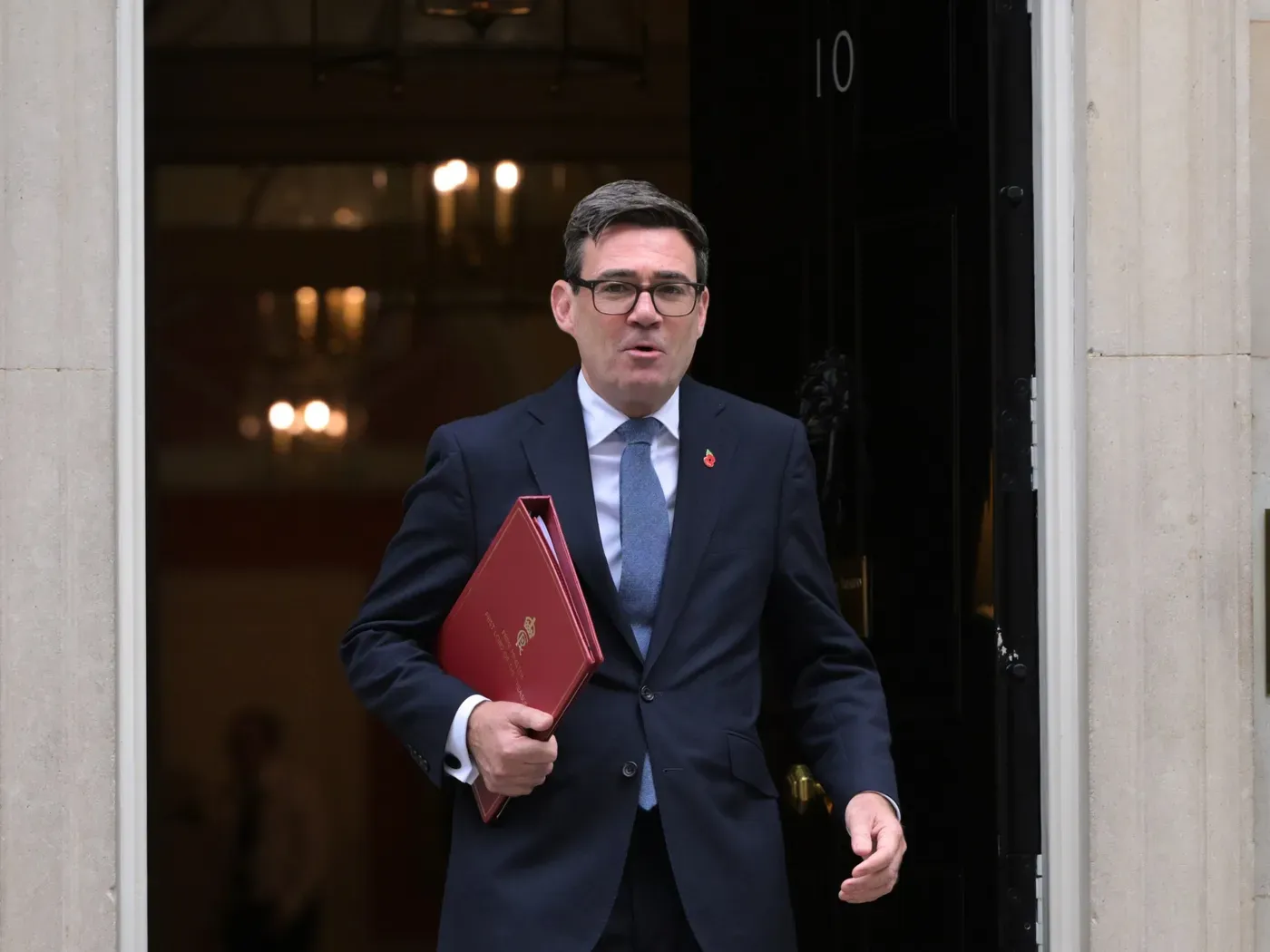
The agreements reached after Brexit have been touted as a stepping stone towards reintegration into the EU's orbit. Burnham described these deals as "a good deal for Britain, highlighting their potential to ease trade restrictions and create opportunities for young people to live and work across borders.
While some Britons believe that leaving the single market and customs union brought little tangible benefit, others have expressed no regrets about exiting the bloc. The UK's decision to leave has also led to increased paperwork, border checks, and barriers to trade with its largest export market.
Polling expert Sir John Curtice notes that surveys show a significant shift in public opinion on EU membership. With undecided respondents excluded, 62 percent of those polled favour rejoining the EU, while only 38 percent prefer to remain outside. The UK public is certainly in a different place on the EU than it was in 2016," he observed.
Analysts suggest that the government could initiate the process of rejoining without another referendum or including the commitment in an election manifesto, provided the EU agrees. However, such a move would likely face significant political hurdles and be highly unpopular among many Britons.
The legality of the Brexit referendum has been debated among experts, with some arguing it was not binding in law.
Ignoring the public's vote would have been politically unacceptable, but parties can still disregard their election manifesto pledges if they see fit.
Douglas-Scott suggests that Burnham might be tempted to hold a rejoin referendum, feeling that public opinion has shifted enough to make a rejoin vote likely.
The terms of any potential UK-EU deal remain unclear, including whether the UK would be required to adopt the euro currency it previously resisted.
Polls indicate that while there is support for closer ties with the EU, full membership remains a more contentious issue.
Some surveys suggest that around 35 percent of people support rejoining the EU when given the option of closer ties instead. However, this level of support is not always firm, as many individuals express a softer stance on the issue.
A significant difference in commitment levels is observed between those who want to rejoin and those advocating for closer relations with the EU. While about half of those supporting rejoining claim to strongly back it, people who favor closer ties often express only somewhat supportive views.
The voices from the original Brexit campaign have resurfaced, mobilizing against any potential return or realignment with the EU. Key figures such as Nigel Farage have become vocal opponents of efforts to strengthen ties with Europe.
Reform UK leader Nigel Farage recently traveled back to Brussels to counter the prime minister's proposals for closer cooperation. Other prominent Leave campaigners like Boris Johnson and Michael Gove have also re-emerged, reigniting unfounded claims about the costs associated with EU membership.
The campaign group Stay Out has put forward a figure of 39.3 billion pounds as an annual cost of rejoining or remaining in the EU, equivalent to approximately 750 million pounds per week. This estimate has been met with skepticism by experts and critics alike.
Academics like Anand Menon argue that the debate around Brexit is influenced by two key factors: trauma and salience. Some individuals may feel traumatized by the original referendum, while others have simply lost interest in the issue, regarding it as no longer a pressing concern for the country.
The Brexit referendum's legacy continues to shape British politics, with some arguing that the UK's relationship with the EU has become a pressing concern once again.
A decade after the divisive vote, key figures are weighing the possibility of a return to European integration, with critics drawing parallels between the Leave campaign's tactics and the current push for re-engagement.
Facts based on reporting originally published by Al Jazeera.
You may republish this story, in full or in part, if you credit Noti Group and link to it (licence CC BY 4.0). Photos are not included.