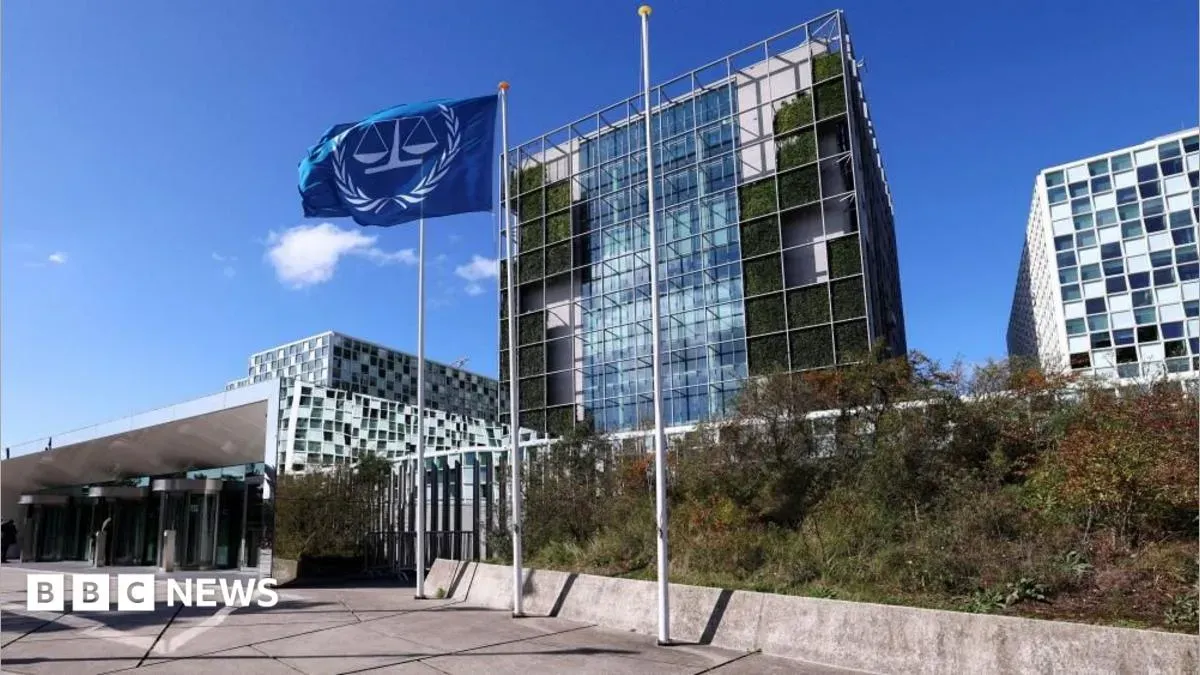








International Court of Justice Prepares for Possible US Retaliation
A ruling by the International Court of Justice that Myanmar's government committed genocide against the Rohingya people could lead to US sanctions on judges.
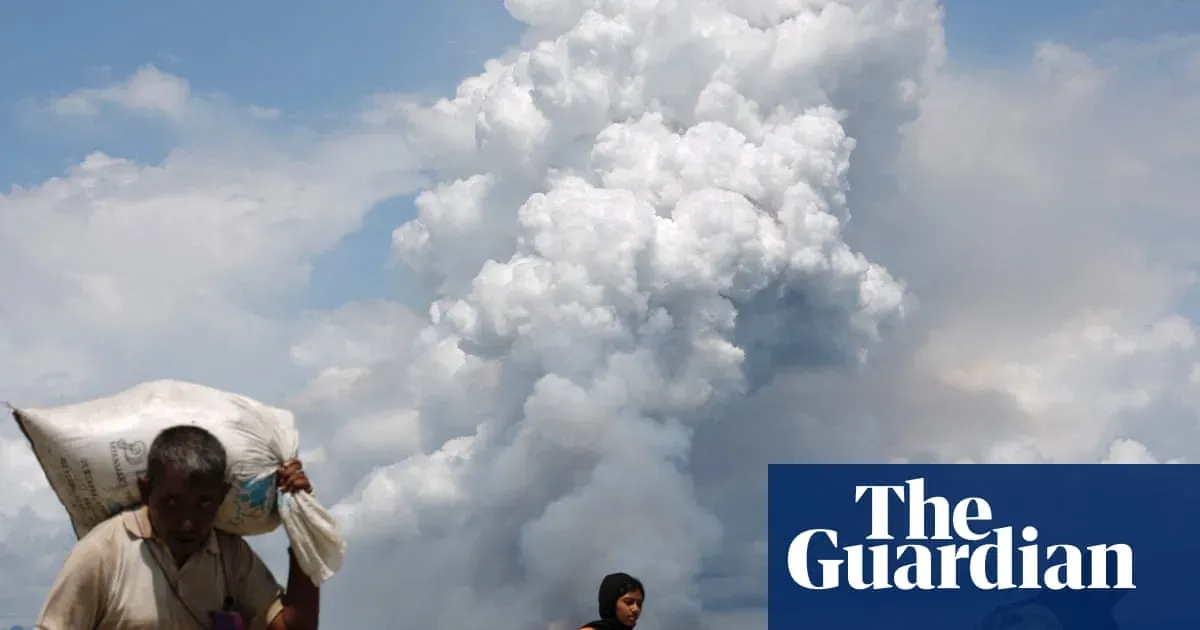
Fears are intensifying that Washington could retaliate against judges at the international court of justice if they rule that Myanmar's government committed genocide against the Rohingya people.
A ruling in favor of the Rohingya would be a landmark decision, setting a significant precedent for future cases involving alleged war crimes and atrocities, including Israel's actions in Gaza. The ICJ has never held a state responsible for committing genocide before, making this case particularly pivotal.
Lawyers representing Rohingya survivors argue that patterns of behavior by Myanmar's military demonstrate a clear intent to destroy the group during assaults on Rakhine state in 2016 and 2017. They point out that people were killed as they fled, indicating a deliberate attempt to eradicate the Rohingya population.
Judges at the ICJ have taken steps to protect their assets from potential US sanctions, which could be imposed if Washington views the genocide ruling as lowering the "legal threshold for the crime. This has sparked concerns about the independence of the court and its ability to make impartial judgments.
The Foundation for Defense of Democracies, a thinktank with close ties to the White House, predicts that a genocide ruling will lead to US sanctions on the ICJ.
The ICJ's ruling on Myanmar is expected to clarify how a government's intent to commit genocide can be established, potentially setting a precedent that could impact future cases.
Myanmar has maintained that its actions in Rakhine state were aimed at quelling a military uprising by insurgents, rather than targeting the Rohingya minority. The country's stance contrasts with allegations of systematic persecution and violence against the Rohingya.
The ICJ is distinct from other international courts, as it focuses on settling disputes between states rather than prosecuting individuals for war crimes. This distinction is crucial in understanding the court's role in the Myanmar case.
The US has already imposed sanctions on judges at the ICC following the issuance of arrest warrants against Israeli Prime Minister Benjamin Netanyahu. The country has also labeled the ICC a rogue court and announced sanctions against the institution as a whole, citing concerns that it may target US troops.
As an ad hoc judge in the Myanmar case, South African lawyer Pillay is required to act impartially and not advocate on behalf of the Gambia, which brought the lawsuit.
The US government has expressed concerns over the impartiality of International Court of Justice (ICJ) judges in the Myanmar genocide case.
Critics have accused ICJ ad hoc judge Navi Pillay of attempting to lower the bar for proving genocide, which could be used against American and allied soldiers in future conflicts. This move would allegedly create a weakened and false standard that could be exploited by adversaries.
The US has made it clear that they will be closely monitoring the ICJ's handling of these proceedings, with Secretary of State Marco Rubio warning that international law is often used as a tool to advance interests under the guise of universal principles. In his remarks, Rubio cautioned against using laws as a way to lecture men with swords".
The International Court of Justice's (ICJ) definition of genocide goes beyond just killings, encompassing also the treatment of children and forced displacement. This broader understanding of genocide has been a key factor in the US State Department's determination that Myanmar had committed such an act. The decision to label Myanmar's actions as genocide was made under the leadership of Antony Blinken.
The ICJ judges are elected for nine-year terms by the UN security council and general assembly, with 15 members currently serving on the court. However, a threat has emerged from US Senator Marco Rubio, who is considering imposing sanctions on the ICC unless it responds to his criticisms within the next few weeks. Rubio's ultimatum comes as the ICC prepares to issue a ruling on Myanmar's alleged genocide.
The potential imposition of sanctions by the US could have far-reaching consequences for the ICJ and its ability to hold nations accountable for human rights abuses. Meanwhile, the ICC has dropped plans to prosecute US soldiers and intelligence agents for potentially unlawful acts in Afghanistan, citing difficulties in obtaining evidence.
Facts based on reporting originally published by The Guardian World.
You may republish this story, in full or in part, if you credit Noti Group and link to it (licence CC BY 4.0). Photos are not included.