






Waymo Withdraws Self-Driving Fleet from Freeway Driving in California
Waymo has temporarily withdrawn its fleet of self-driving taxis from freeway driving in California due to concerns over their behavior on highways. The move comes after a recent incident...
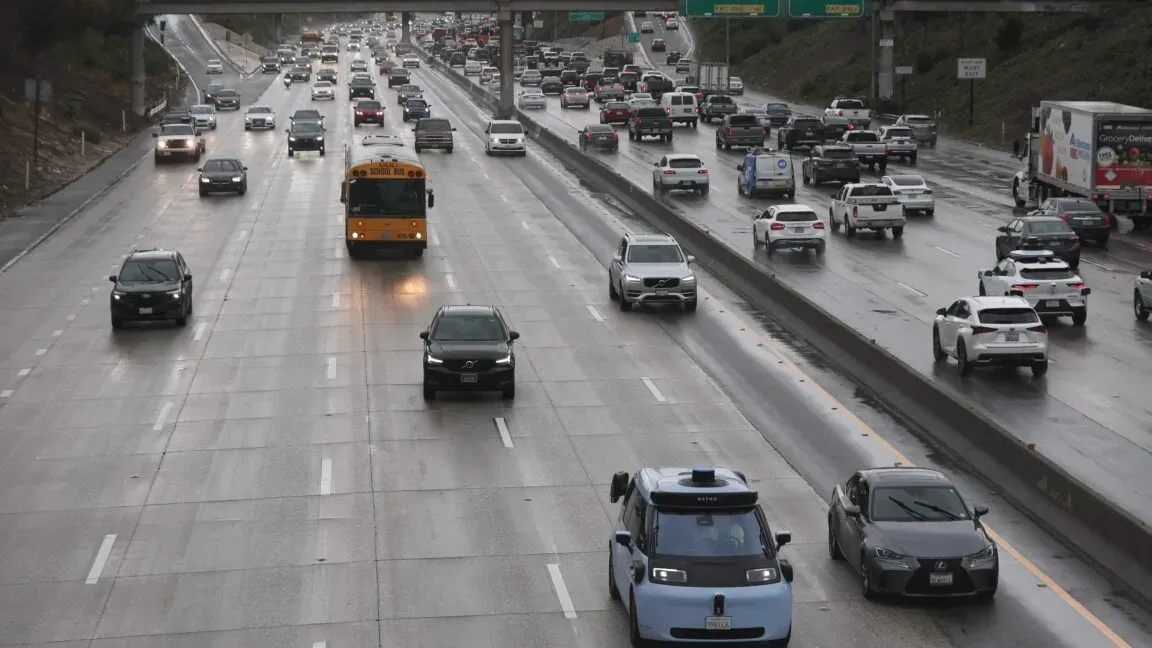
Waymo has temporarily withdrawn its fleet of self-driving taxis from freeway driving in California due to concerns over their behavior on highways. The move comes after a recent incident where one of Waymo's vehicles entered a construction zone at high speed, prompting an urgent response from the state's Department of Motor Vehicles (DMV). In a stern warning, the DMV ordered Waymo to cease all freeway driving until it can demonstrate that its cars no longer pose a significant risk to public safety.
This is not the first time Waymo has faced criticism over its self-driving taxis' ability to navigate highway conditions. In April, several of the vehicles failed to recognize ramp closure signs in Phoenix, Arizona, and entered construction zones without warning. A month later, seven Waymo robotaxis entered lanes with active construction in California, sparking concerns about their ability to safely operate on highways.
The latest incident has prompted a re-examination of Waymo's testing procedures and software updates. The company has been working to improve its vehicles' ability to recognize and respond to construction zones and other hazards. However, it appears that these efforts have not yet yielded the desired results, prompting the DMV to take decisive action.
The restriction on freeway driving is likely to cause inconvenience for some users of Waymo's self-driving taxis. The company has been testing its vehicles on highways in California as part of a broader effort to develop and deploy autonomous transportation technology. With this latest setback, Waymo will be focusing its efforts on surface streets until it can resolve the issues with its highway driving software.
Waymo's attempts to refine its robotaxi software have not yielded the desired results. The company has acknowledged that it needs to improve how its vehicles recognize and respond to construction zones on freeways. In July, Waymo informed the National Highway Traffic Safety Administration about an update aimed at enhancing freeway construction zone recognition and prioritization.
The updated software was intended to reduce speeds when a vehicle detects potential hazards in a construction area. Additionally, the company has made operational changes to better identify and mitigate entry into planned construction zones. These modifications were also designed to enable more remote assistance capabilities if a similar incident occurs again.
Despite these efforts, Waymo's robotaxis continue to encounter issues on freeways. A viral video surfaced in early November showing one of its vehicles driving past California Highway Patrol cars conducting a rolling roadblock near a slow-moving construction vehicle on I-280. This incident highlights the ongoing challenges facing autonomous vehicles when navigating complex traffic scenarios.
California authorities have also reported another incident involving a Waymo robotaxi entering a construction zone on US 101 near Burlingame. These incidents demonstrate that more work is needed to ensure safe and efficient interaction between autonomous vehicles and emergency services in freeway environments.
Following recent incidents involving freeway construction zones on U.S. 101 in California, regulatory agencies have taken steps to address safety concerns surrounding autonomous vehicles operating on highways. The California Department of Motor Vehicles has implemented an operating restriction on freeway operations within the state, a move that Waymo is aligning with by temporarily restricting its own freeway operations across other markets.
Waymo's decision reflects the company's commitment to prioritizing safety in all aspects of its operations. Despite not being involved in any injuries or collisions during these incidents, the company has voluntarily suspended its highway operations to re-evaluate its performance and ensure it meets regulatory requirements. This proactive approach is a testament to Waymo's dedication to road safety.
Waymo continues to offer its ride-hailing service on surface streets, providing over half a million trips each week. The company remains in close communication with California state officials and other regulatory agencies as it works towards resuming freeway operations that meet or exceed all necessary safety standards.
Facts based on reporting originally published by Ars Technica.
You may republish this story, in full or in part, if you credit Noti Group and link to it (licence CC BY 4.0). Photos are not included.