



Celebrity Beauty Brands Continue to Shut Down or Struggle
The celebrity beauty business has seen a wave of high-profile exits in recent times, with several big-name brands shutting down or struggling to stay afloat.
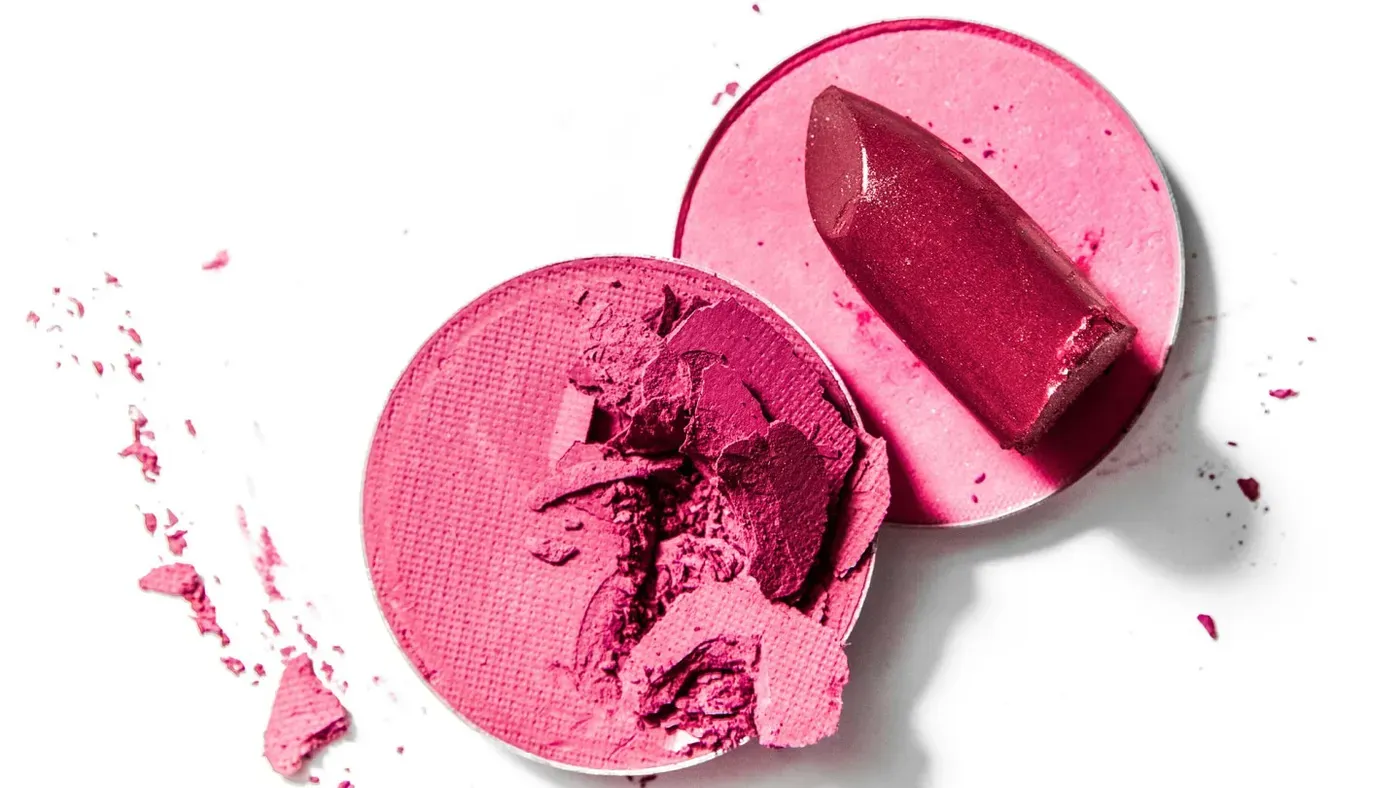
The celebrity beauty business has seen a wave of high-profile exits in recent times, with several big-name brands shutting down or struggling to stay afloat.
Gwen Stefani's GXVE Beauty and Scarlett Johansson's The Outset are among the casualties, while Kim Kardashian's KKW Beauty and SKKN by Kim have also been retired. Even Serena Williams' Wyn Beauty cosmetics has ceased operations.
Blake Lively's Blake Brown Beauty hair care is reportedly struggling to gain traction, and Jennifer Lopez's JLO Beauty has quietly exited Sephora without much fanfare.
Despite these setbacks, the allure of the celebrity beauty business remains strong, with many A-listers eager to cash in on their fame. Cardi B is one such star who has recently entered the fray.
In a statement, Cardi B explained that her decision to launch Grow-Good was driven by a passion for hair care rather than mere vanity. I've been sharing my hair routines and homemade treatments with my fans for years, she said.
The celebrity beauty business offers a lucrative opportunity for stars to monetize their fame, potentially outstripping even the biggest movie deals. With production slates shrinking and box office sales declining, it's little wonder that Hollywood is increasingly turning to beauty as a way to stay relevant.
Rihanna's Fenty Beauty has been a huge success story, catapulting her into billionaire status. Selena Gomez's Rare Beauty has also performed well, valued at $2.7 billion, while Hailey Bieber's Rhode was sold to e.l.f. Beauty in a deal worth up to $1 billion.
However, the path to success is not always straightforward. Jennifer Lawrence recently launched Mes with Arcaea CEO Jasmina Aganovic, but the brand has been met with criticism and backlash from online critics.
The partnership between Lawrence and Aganovic reportedly began after the actress watched Aganovic deliver a TED Talk about the future of cosmetics. Aganovic brings serious beauty credentials to the table, having previously worked at Living Proof and leading skin-microbiome brand Mother Dirt.
The launch of Mes, a hair care line from Jennifer Lawrence's new venture, has sparked controversy and raised questions about the viability of celebrity beauty brands.
Some critics have accused Lawrence of using her social media debut to promote the brand, with commenters speculating that the timing was intentionally calculated to boost sales. Others have questioned the fit between Lawrence and the product, given her reputation for having a signature look.
Lawrence has maintained that the line grew out of her own personal experience in the glam chair, where she would often go weeks without washing her hair. This claim has been met with skepticism by some who view it as just another celebrity trying to cash in on a trend.
Marketing expert Aliza Licht notes that the initial reaction to celebrity beauty brands is often one of cynicism, as consumers can spot an engineered marketing narrative from a mile away. According to Licht, this can be attributed to the playbook being well-known by now, with many seeing through the carefully crafted backstories and hefty marketing budgets.
Beauty publicist Marie-Laure Fournier believes that the criticism around Mes is still manageable, but acknowledges that it needs to be addressed head-on. She suggests that a candid video featuring Aganovic could help humanize the launch and alleviate some of the skepticism surrounding the brand.
Industry insiders are cautiously optimistic about the prospects for Mes, with some viewing Lawrence's partnership with Arcaea as a smart move. According to Clare Hennigan, principal analyst at Mintel, this collaboration is likely to appeal to consumers looking for convenience in their beauty routines.
Hennigan also highlights the innovative aspects of the products, including a gel hair mask that can be applied to dry hair and doubles as a styler. This product addresses a common pain point for many consumers: finding time to style their hair without having to wait for wash day. By solving this problem, Mes may find itself at an advantage in the competitive beauty market.
Kate Hudson's entrepreneurial spirit is well-documented, and her activewear company Fabletics has been a huge success story. The actress-turned-businesswoman co-founded the firm in 2013 and remains a shareholder to this day. According to reports, Fabletics surpassed $1 billion in revenue by 2025, a testament to Hudson's business acumen.
However, success is not just about delivering high-quality products; it's also about building genuine connections with consumers. Celebrity entrepreneurs who succeed in the beauty market understand that they must pay attention to what their customers need, love, and don't like. This approach is crucial for fostering brand loyalty and driving sales.
Cardi B has taken a grassroots approach with her hair care line Grow-Good, focusing on neighborhood beauty supply stores as a key part of its marketing strategy. The rapper's native Bronx is home to many of these stores, which have long been an integral part of the community. By partnering with these local businesses, Cardi B has made her products accessible to those who need them most.
Grow-Good's debut in April was a resounding success, with the entire stock reportedly selling out in under 35 minutes. This rapid sell-out is a testament to the popularity and appeal of the brand among its target audience. When asked about her approach, Cardi B emphasized that she understands her community because she is part of it.
The key to successful celebrity beauty brands lies in their ability to connect with consumers on an emotional level. Lisa Motzko Hamilton, a former VP of merchandising at Ulta Beauty and co-founder of Breakthru Beauty consultancy, notes that brands perform best when the entertainer shows up, engages with their community, and shares a part of themselves beyond their celebrity status.
This approach is evident in the success of Cardi B's Grow-Good, which boasts an impressive 40 percent return-customer rate. The Business of Fashion reports this promising statistic, highlighting the brand's ability to retain customers and build loyalty.
Not all celebrity beauty brands are created equal, however. Some struggle to connect with consumers due to a mismatch between their reputation and product offerings. Lady Gaga's Haus Labs cosmetics, for example, draw on her artistic flair, while Selena Gomez built Rare Beauty around supporting mental health for young people.
Gomez has publicly spoken about the importance of this cause, which is deeply personal to her. Her commitment to using 1 percent of sales to support Rare Impact Fund demonstrates a genuine dedication to giving back and making a positive impact.
Jennifer Aniston's LolaVie hair care line is another brand that gets it right. With decades of iconic hairstyles under her belt, Aniston was well-positioned to launch a successful hair care business. Her personal connection to the product and years of development before its launch have paid off, with LolaVie now available in major retailers like Ulta and Credo.
Aniston's commitment to building something she truly believes in has resulted in a brand that resonates with consumers. She didn't simply put her name on a product; instead, she was part of creating something from the ground up.
As a key player in the beauty industry, it's essential for celebrities to establish a genuine connection with their audience. By engaging in conversations with customers and actively listening to their feedback, they can build trust and credibility around their brand.
This approach is exemplified by a notable celebrity who has made a point of keeping the conversation going with customers about their products. When asked about incorporating products into daily routines, she reveals that her team has indeed made changes based on consumer input.
The importance of social relationships in building brand loyalty cannot be overstated. One expert notes that celebrities who have cultivated strong connections with their followers over time are more likely to succeed with new product launches.
In contrast, stars who suddenly surface promoting new products can face an uphill battle. The lack of a pre-existing connection between the celebrity and the brand can make it difficult for consumers to relate to the new venture.
Some celebrities may struggle to establish credibility due to a lack of historical commentary on their area of expertise. For instance, when launching a skin care line, having prior experience or knowledge in that field can help build trust with potential customers.
The efficacy and science behind a product are also crucial factors in determining its success. If the proof is not readily available or transparent, it can create doubts among consumers about the quality and effectiveness of the brand.
In some cases, celebrities may face challenges related to their personal lives or controversies surrounding them, which can negatively impact sales. When an actress becomes embroiled in a public dispute, it can be detrimental to her brand's reputation.
The aftermath of such events can be particularly challenging for brands that have invested heavily in marketing and promotion. In the wake of a celebrity scandal, sales may drop sharply as consumers lose trust in the brand.
The success of celebrity beauty brands depends on more than just their star power.
Launching a brand exclusively on Amazon can be a challenging fit for color cosmetics, as shoppers often want to try on shades before making a purchase.
This is what Lady Gaga's Haus Labs faced when it initially launched on the platform. However, its move to Sephora introduced the brand to a broader beauty audience and helped it gain traction.
In contrast, Fenty Beauty successfully addressed a glaring gap in the cosmetics market nearly a decade ago with an expansive and inclusive shade range.
Rhode found its opening by offering accessible pricing for ingredients that had become associated with more expensive skin care products.
For Mes, even after its messy debut, there is still an opportunity to shift the conversation toward time-saving efficiency with education: helping consumers understand how these products fit into their existing hair care routines.
To succeed in this area, the brand needs to drive home the "how-to" aspect with tutorials and partnerships with professional stylists who can demonstrate the products.
Facts based on reporting originally published by The Hollywood Reporter.
You may republish this story, in full or in part, if you credit Noti Group and link to it (licence CC BY 4.0). Photos are not included.