

Tallinn Black Nights Film Festival Continues Support for Ukraine Amid Ongoing Invasion
The Tallinn Black Nights Film Festival has featured Ukrainian films and works-in-progress since Russia's full-scale invasion in 2022.
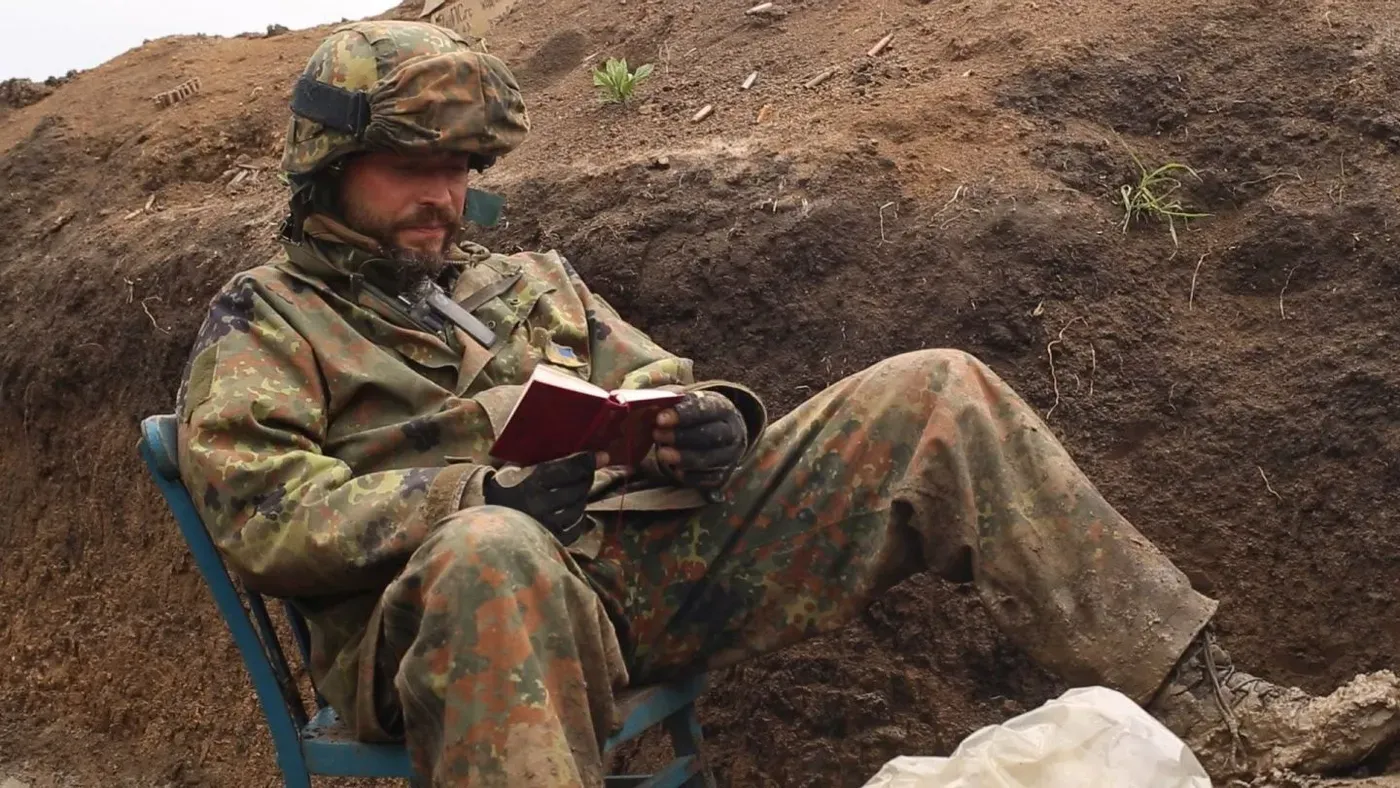
The Tallinn Black Nights Film Festival has been showing unwavering support for Ukraine since Russia's full-scale invasion in 2022. The festival, also known as PÖFF, has featured Ukrainian films and showcased works-in-progress to help the embattled film industry.
PÖFF founder and CEO Tiina Lokk emphasized the importance of standing with Ukraine during its darkest hour. "We are obliged to do everything possible to help and support the Ukrainian film industry at this difficult time," she said in 2022, highlighting her commitment to supporting a country fighting for its survival.
This year marks the 30th anniversary edition of PÖFF, and as part of the celebrations, the festival is bringing back its "PÖFF Standing With Ukraine" showcase. The event aims to keep Ukrainian culture visible and promote it on an international platform.
Lokk explained that Ukraine's struggle for democracy extends beyond its borders. "Ukraine is fighting not only for Ukraine, but also for Europe and the democratic world," she said, underscoring the importance of supporting a nation under siege.
Industry@Tallinn & Baltic Event, led by Marge Liiske, continues to put a spotlight on the war's impact through various programs. Liiske emphasized that the festival has been supportive of Ukraine since 2022 and has reflected this support in its programming for both the festival and industry events.
PÖFF's new artistic director, Triin Tramberg, is committed to highlighting countries fighting for their democratic values. "Throughout our program, we're supporting countries that are fighting for their rights and for their democracy," she said, highlighting her team's dedication to promoting freedom of expression.
The festival organizers believe that standing with Ukraine is crucial not only for the country but also for the region and its audiences. Tramberg noted that it's essential to provide a platform for Ukrainian cinema and give Ukrainians living in Estonia a sense of belonging through their own films.
PÖFF's solidarity with Ukraine reflects the values of the festival, which aims to promote democratic ideals and artistic freedom. By continuing to support Ukraine, the festival sends a strong message about its commitment to democracy and human rights.
The Standing With Ukraine strand at PÖFF's Tallinn festival showcases nine diverse feature films, several of which will also screen in other festival strands. One such film is Slava, a world premiere that highlights the power of music and culture.
Directed by Jacqui Morris and David Morris, Slava profiles Sviatoslav Vakarchuk, lead singer of Ukraine's most successful rock band Okean Elzy. With a background in theoretical physics and a stint as an activist politician, Vakarchuk is known for his inspiring performances that have drawn comparisons to Bruce Springsteen and Paul McCartney.
Vakarchuk has used his talents to support Ukrainian refugees living abroad by taking his band on a worldwide tour. This initiative has received backing from an international coalition of artists, including Coldplay. The synopsis notes another key reason for the tour: to leave a lasting legacy of Ukrainian culture in the world's minds and combat Russia's centuries-long efforts to eradicate it.
Another film featured in PÖFF's Standing With Ukraine strand is Vesna, directed by Rostislav Kirpicenko. Set in an occupied town in southeastern Ukraine, Vesna explores the dangers faced by those who honor their dead during times of war. In this context, burying the deceased has been forbidden by Russian forces.
The film follows a young priest as he quietly resists these restrictions, secretly returning bodies to their families at great personal risk. This act of defiance forms an unlikely bond between the priest and an 11-year-old boy who becomes a silent witness to his rebellion.
Vesna sheds light on the complexities of life under occupation and the human cost of war. The film's portrayal of resistance in the face of adversity serves as a powerful reminder of the resilience of those affected by conflict.
The Standing With Ukraine strand at PÖFF's Tallinn festival continues to highlight the diversity and complexity of films addressing this critical global issue, offering unique perspectives on the impact of war on individuals and communities.
The psychological toll of war is a theme that runs deep through many films featured at PÖFF's Tallinn festival, including Lithuanian-born Ukrainian director Rostislav Kirpicenko's drama. This film offers a searing portrayal of the cynicism and brutality faced by those living under occupation.
Kirpicenko's work highlights the harsh choices individuals must make in order to survive, from fighting back against their oppressors to adapting to a new reality. The authenticity of the film's portrayal is striking, offering a heart-wrenching glimpse into the lives of Ukrainians struggling to cope with the ongoing conflict.
Another film that sheds light on the personal cost of war is "I Rarely Wake Up Dreaming", directed by Isabelle Stever. This drama tells the story of a queer couple in Ukraine, whose relationship is put to the test as they navigate both the geopolitical upheaval and one partner's gender transition. The film raises important questions about identity, love, and what it means to be human.
The world premiere of "I Rarely Wake Up Dreaming" at Locarno sparked a series of conversations that have continued long after the credits rolled. Viewers were moved by the film's portrayal of Olya and Oleh's relationship, which is both tender and fraught with tension as they face the challenges of their love amidst war and transition.
In contrast to the drama of "I Rarely Wake Up Dreaming", Yuliia Hontaruk's documentary "To Die to Live offers a more straightforward exploration of the human cost of conflict. The film follows three men who volunteered for military service in 2014, only to return home two years later with physical and emotional scars that have left them struggling to rebuild their lives.
The men's stories are a powerful reminder of the long-term impact of war on individuals and families, highlighting the difficulties of readjusting to civilian life after experiencing trauma. As To Die to Live makes clear, the effects of conflict can be felt for years to come, leaving deep scars that take time to heal.
The brutal reality of war is a difficult one to capture on film, yet it's a truth that filmmakers like those featured at PÖFF are determined to convey. The effects of conflict can be deeply ingrained in individuals, making it challenging for them to leave their traumatic experiences behind.
A poignant example of this is the drama Wings, which tells the story of a Ukrainian family who fled the war and found refuge in Portugal. The film was inspired by real-life events and explores the lasting impact of war trauma on those who experience it. By delving into the complexities of war displacement, Wings offers a thought-provoking look at the human cost of conflict.
Another powerful film featured at PÖFF is Living On, which showcases the resilience of individuals affected by war. Directed by Nerijus Milerius, the film documents his own experiences volunteering to drive medical aid to Ukraine's front lines over a period of two years. Through his footage, Milerius sheds light on the ways in which people cope with trauma and find solace in everyday activities.
The documentary Living On is part of PÖFF's Doc@PÖFF Baltic Competition section, which highlights the work of filmmakers who have made significant contributions to the world of documentary cinema. By showcasing films like Wings" and "Living On, PÖFF provides a platform for artists to share their perspectives on the human experience.
The art therapy sessions, yoga classes, and other activities featured in Living On offer a glimpse into the ways in which people rebuild their lives after experiencing trauma. These scenes are woven together with footage of Milerius' own experiences driving medical aid to Ukraine's front lines, creating a poignant and thought-provoking portrait of resilience.
The stories told through films like Wings" and "Living On serve as a reminder that the effects of war can be felt for years to come. By sharing these powerful narratives, PÖFF provides a platform for artists to explore the complexities of human experience and offer hope in the face of adversity.
The Tallinn film festival has chosen to highlight several films that shed light on life under attack in Ukraine. One such film is Milerius, which documents daily life in bombed areas and showcases the resilience of Ukrainians in the face of adversity.
Another film featured at the festival is Slava, a political thriller based on a real-life story. The film tells the story of Slava, a woman who, along with her partner Yaroslav Stetsko, launched an information campaign against the KGB and USSR in the 1960s. Their efforts led to a trial in Karlsruhe, West Germany, where a KGB agent confessed to killing Stepan Bandera.
The film Slava highlights the complex web of politics and espionage that surrounds the case, as well as the activists' fight for justice and their struggle against Moscow's attempts to silence them. The story is a gripping one, with a trial taking on a political dimension as the Kremlin responds with threats.
In contrast to Slava, which deals with high-stakes politics, another film featured at the festival, Camouflage, focuses on the personal struggles of a young man named Vitaly. A 22-year-old German student from Ukraine, Vitaly had previously felt free to be himself in Munich, but his life is turned upside down when Russia invades Ukraine.
As the war forces Vitaly's mother and sister to flee their home and seek refuge with him in Munich, they are forced to confront the harsh realities of war. They also learn about Vitaly's new identity and the choices he has made for himself. The film Camouflage offers a poignant portrayal of the human cost of conflict.
The story of Vitaly and his family is just one example of how the war in Ukraine has affected ordinary people. The film festival provides a platform for artists to share these powerful stories, giving audiences a glimpse into the complexities of life under attack.
By exploring themes such as identity, community, and resilience, films like Slava" and "Camouflage" offer a nuanced understanding of the human experience during times of war. They highlight the need for empathy and compassion in the face of adversity.
A Ukrainian documentary, Traces, is set to screen at PÖFF Standing With Ukraine despite being made in a time of war. The film is an important contribution to the festival's lineup, providing a platform for voices that need to be heard.
Traces documents the testimonies of six women who survived sexual violence and torture during the Russian conflict with Ukraine. The women share their stories, highlighting the collective trauma caused by war-related violence. Director Iryna Dovhan has done an impressive job in weaving these testimonies together into a powerful portrait of resilience.
The film's impact is evident in its awards and recognition, including winning the best documentary award at the Berlin International Film Festival's Panorama section. Traces also served as Ukraine's submission for the Best International Feature Film Oscar.
Facts based on reporting originally published by The Hollywood Reporter.
You may republish this story, in full or in part, if you credit Noti Group and link to it (licence CC BY 4.0). Photos are not included.