




Ukraine Receives Fake Alerts Warning of Nuclear Strike
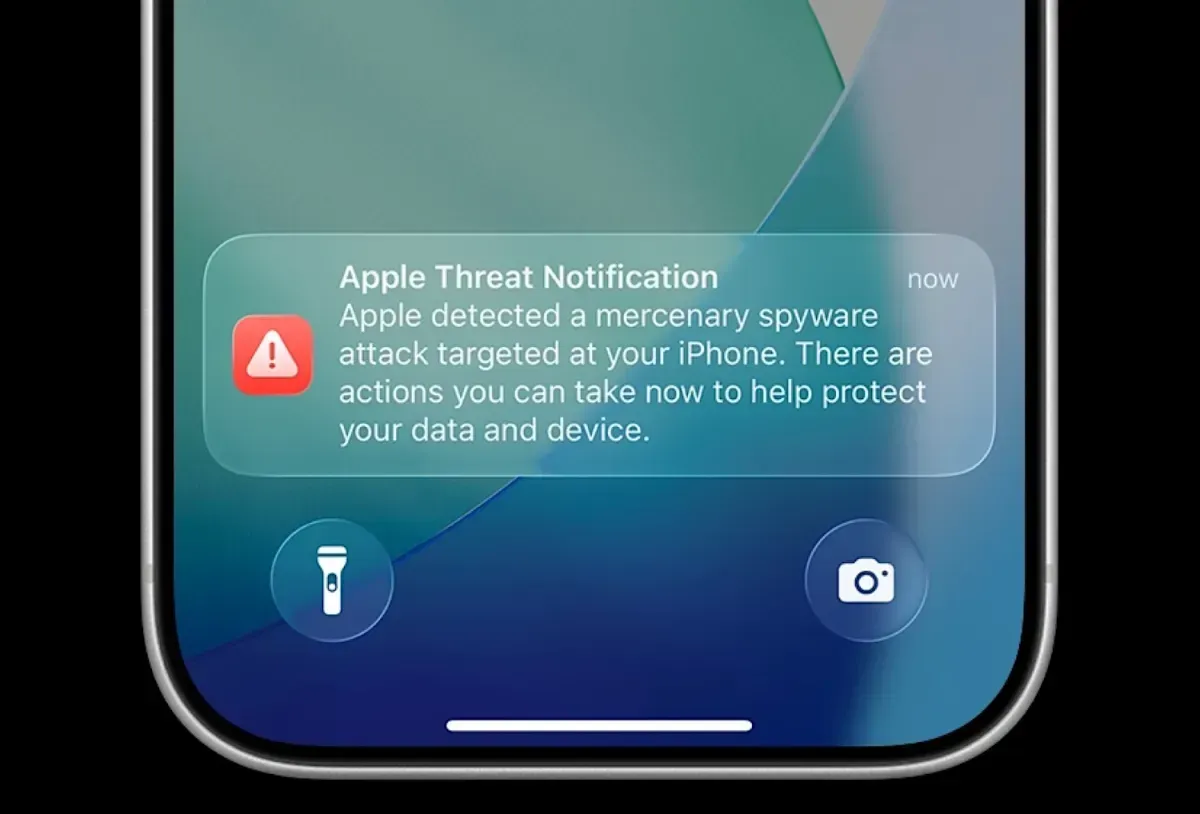
A series of alarming messages claiming a nuclear strike was imminent began popping up on Ukrainian phones, causing widespread anxiety.
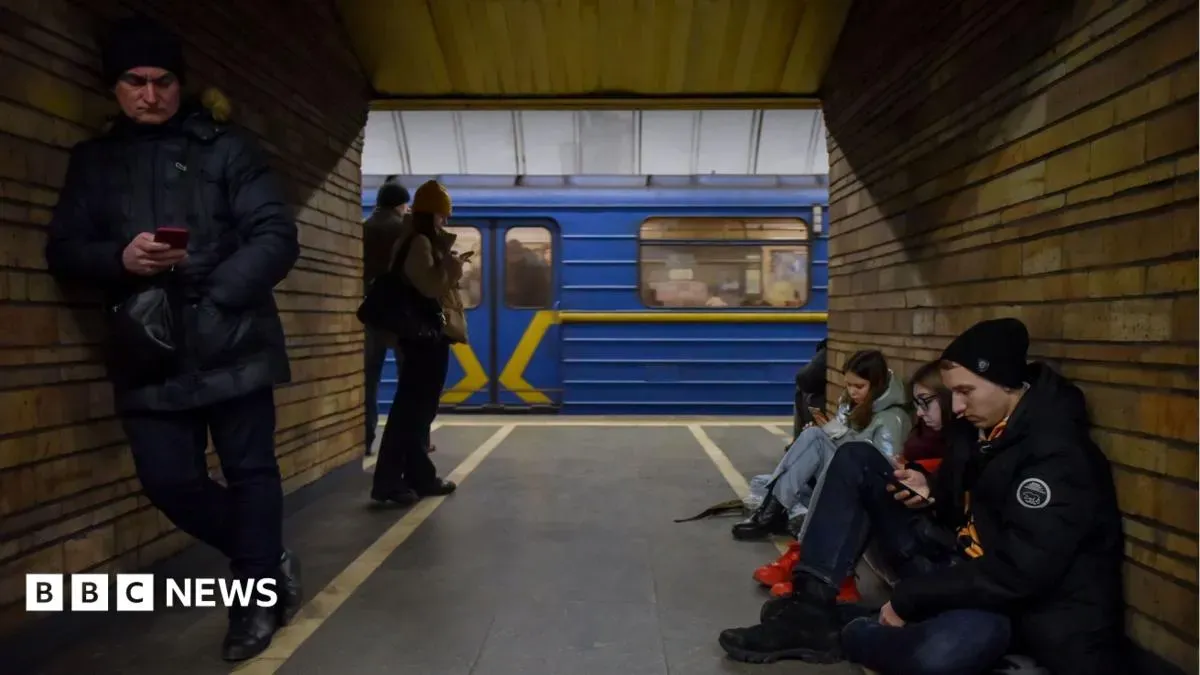
Ukrainians are accustomed to receiving alerts on their phones and hearing loudspeaker announcements warning of Russian drone and missile attacks.
However, on Sunday night, a series of more alarming messages began popping up, claiming that a nuclear strike was imminent and that chemical attacks and street combat were underway in major cities like Kyiv.
The warnings seemed so dire that many people initially took them seriously, but as the messages continued to escalate, doubts began to creep in about their authenticity. The alerts included some written in Russian, which added to the skepticism.
Sofia Kochmar, a mother-of-one living in Lviv, said she was initially frightened by the news of a potential nuclear attack, but her concerns quickly turned to questions about the legitimacy of the messages.
She pointed out that the warnings seemed unrealistic, particularly the one claiming street fighting had broken out in Kyiv.
As many Ukrainians quickly realized, the fake nuclear warning was not something to be taken seriously. Some users reported feeling a physical reaction to the notification, such as a racing heart and stomach tension, but were able to shake off the anxiety once they understood it was a hoax.
The fake alerts used the same data as the official government-backed app, which delivers phone notifications of air raid warnings along with maps showing areas under threat. This similarity suggests that the hackers had access to sensitive information about Ukraine's alert system.
Cybersecurity expert Yevhen Baliutov believes the Ukrainian alert system was indeed hacked by Russians. He points out that many Ukrainians who received the fake alerts clicked on a link included in the message, which led them to a Russian Telegram channel. This could have exposed users to further disinformation, phishing attempts, or data breaches.
Baliutov notes that Russia will likely try to use hacking and fake news as part of its propaganda efforts during this conflict. He also suggests that hacktivist groups may be involved in the hoax alerts, which often use informal language and are not directly controlled by either government.
It's logical to assume that Ukraine would respond to the hacking with its own cyber-attack on Russia's emergency alert system. Both countries have similar capabilities in cyber warfare, according to Baliutov, making it a likely countermeasure to the initial hack.
Ukrainians were quick to turn a potentially alarming situation into a joke after a fake nuclear warning was issued through a hacked app.
The incident sent shockwaves of concern among the population, but it didn't spark widespread panic as people took to messaging each other about what was happening in their work group chats. This rapid shift from alarm to amusement highlights the resilience and sense of humor of the Ukrainian people in the face of adversity.
While the impact of this particular hack was limited, it exposed a vulnerability in a critical system that has far-reaching implications for national security. The incident serves as a stark reminder of the importance of prioritizing security measures when developing applications used by millions of people.
The authorities now face an added challenge in reassuring the public that their systems are robust and trustworthy, especially given the ongoing war with Russia which has created a state of perpetual alertness among Ukrainians.
Facts based on reporting originally published by BBC News World.
You may republish this story, in full or in part, if you credit Noti Group and link to it (licence CC BY 4.0). Photos are not included.