




Midterm Elections: Trump Holds Rallies in Key States
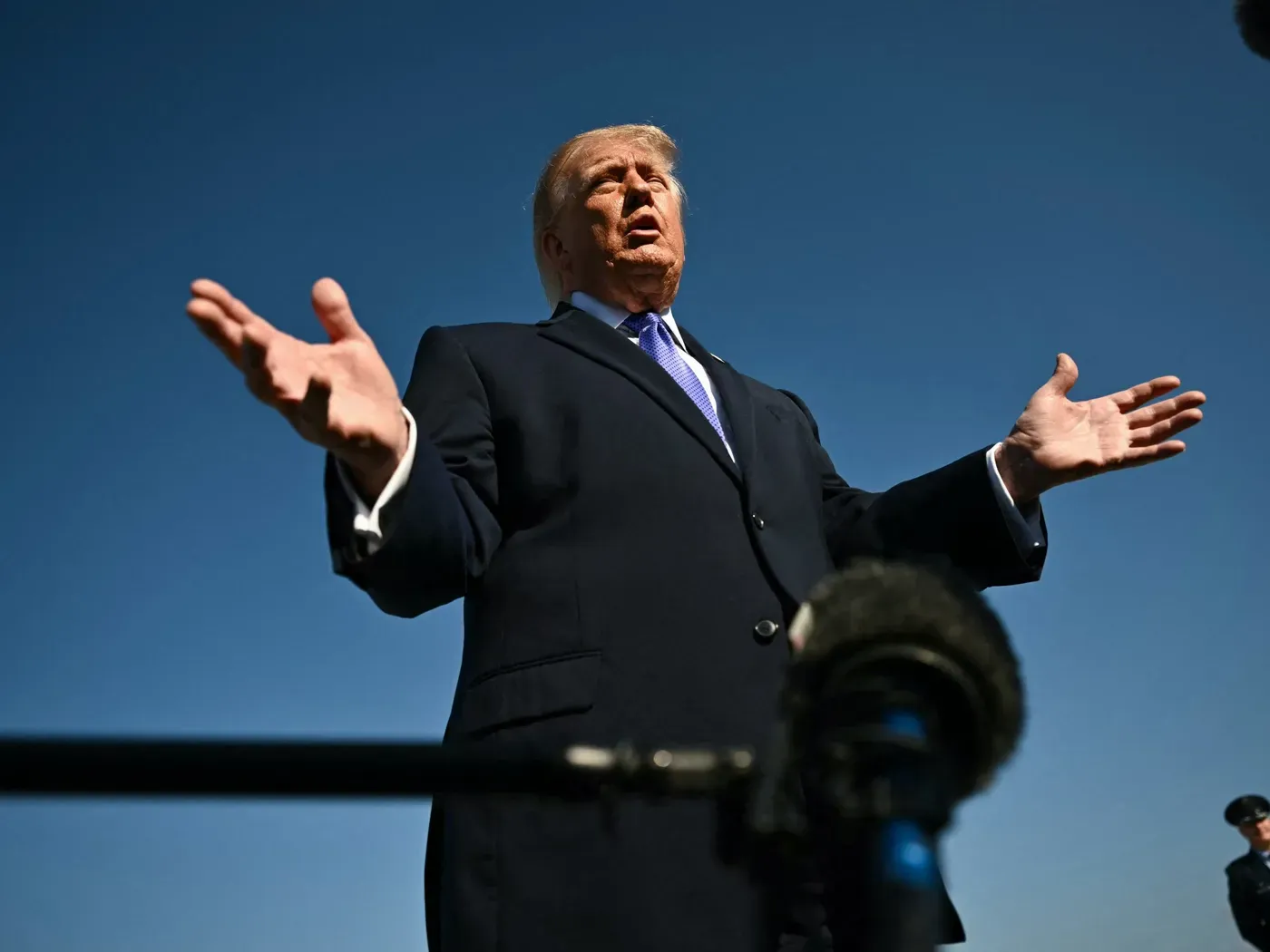
US President Donald Trump has embarked on a last-ditch effort to sway voters ahead of the pivotal midterm elections, which take place on Tuesday. The president's visit to these battleground states highlights the intense competition for control of Congress.
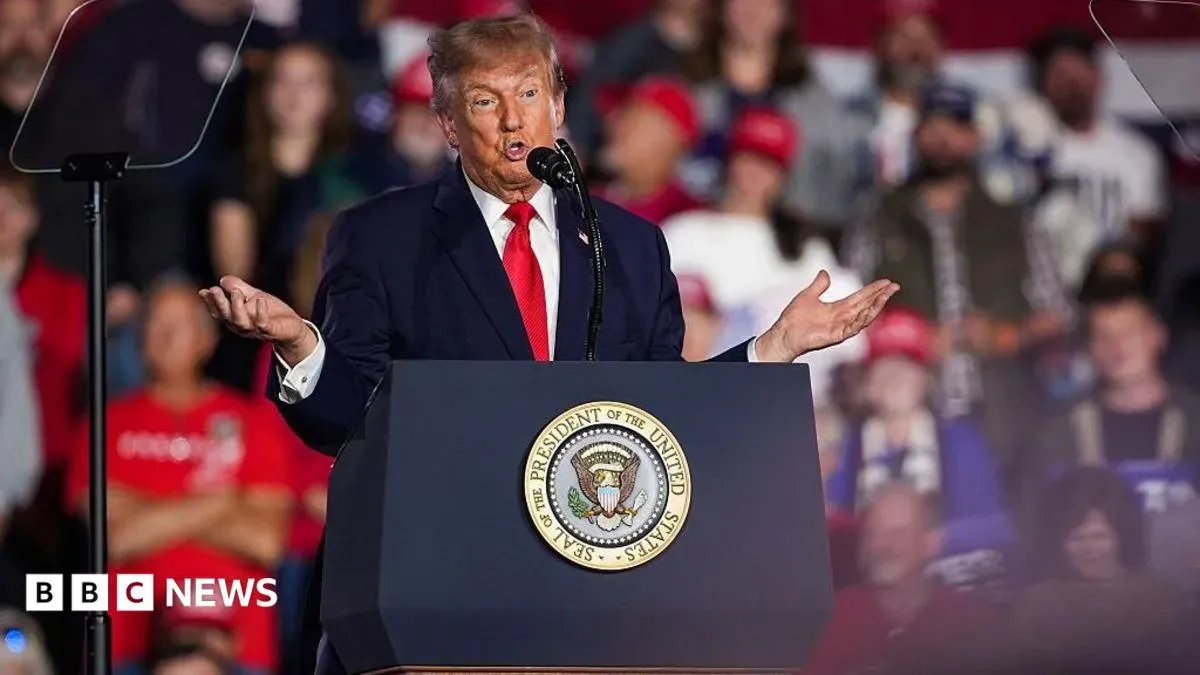
US President Donald Trump has embarked on a last-ditch effort to sway voters ahead of the pivotal midterm elections, which take place on Tuesday.
In a bid to retain Republican control of Congress, Trump held rallies in three key states: Florida, Iowa, and Kansas, all of which he won in previous presidential elections. This defensive stance by Republicans underscores the challenges they face in maintaining their grip on power. The president's visit to these battleground states highlights the intense competition for control of Congress.
Trump has been attempting to shift attention away from rising prices, a major concern among voters, and instead focus on attacking Democrats. He claimed that if elected, Democrats would "bankrupt families, a message he repeated at multiple rallies over the weekend. The president's strategy appears to be an attempt to energize his base and discredit Democratic opponents.
Polls suggest that Democrats have a strong chance of winning control of Congress, which would significantly limit Trump's ability to enact policy initiatives without legislative approval. This prospect has likely contributed to Trump's aggressive campaigning schedule, with the president holding rallies in multiple states over the weekend. His efforts also included tele-rallies for candidates in several other key battleground states.
Trump's visits to Kansas, Florida, and Iowa served as a reminder that these once-reliably Republican states have become increasingly competitive. The president's ease of winning these states in previous years has given way to intense competition, with Democrats mounting strong challenges in each location.
The rising cost of living has become a major concern for many US voters, with prices increasing significantly over the past eight months since the war in Iran began. This is an issue that Trump's campaign is struggling to address, as evidenced by his efforts to shift attention away from it.
At recent rallies in Florida and Iowa, Trump attempted to change the subject by highlighting his policies on trade and immigration. He warned supporters that if Democrats were given power, they would open the border", "bankrupt your family", "take away your guns" and "mutilate your children. These claims were accompanied by video montages of Democrats criticising ICE and supporting transgender rights.
Trump's message is aimed at using fear to turn out the Republican vote. However, his approach has been met with disquiet among some Republicans who are concerned about his appeal to more moderate voters. Despite these internal concerns, Trump remains confident in his ability to rally support for his party.
Meanwhile, Democratic leaders are sounding increasingly optimistic about their chances of winning control of the House of Representatives. This week, Hakeem Jeffries, the Democratic House leader, expressed confidence that his party is on course to achieve this goal. His comments were echoed by senior Democrats including former President Barack Obama, who made final appeals to voters.
As the election enters its final weekend, Trump's campaign is relying heavily on his ability to energise Republican supporters and persuade them to turn out in large numbers. However, with the cost of living a major issue for many voters, it remains to be seen whether his tactics will be enough to secure a victory for his party.
A recent analysis by Harvard University's forecasting tool suggests that Democrats are heavily favored to take control of Congress after the midterms. According to the model, which combines multiple polls and historical data, there is a 96% chance of Democrats winning the House and a 76% chance of taking the Senate.
This optimism among Democrats is tempered by past election outcomes where polls failed to accurately predict the results. A national poll conducted over the weekend by NBC News found that registered voters prefer a Democrat-controlled Congress by a 7-point margin, with 52% supporting the idea and 45% opposing it.
In Michigan, a closely contested Senate seat held by Democrats is seeing a dramatic shift in allegiances. Haley Stevens, a sitting congresswoman who lost her party's nomination to Abdul El-Sayed, has endorsed Republican candidate Mike Rogers. This move has sparked widespread criticism from fellow Democrats and praise from Republicans, including Donald Trump, who called Stevens very brave".
A judge in Alaska has dismissed an attempt by the Trump administration to delay certifying election results if the Republican incumbent loses due to ballot confusion caused by two candidates sharing the same name. The decision clears the way for a potentially contentious outcome in this crucial Senate race.
The lawsuit filed by the Trump administration against the Alaska election has been dismissed by a judge, clearing the way for the state's electoral process to proceed without interference.
The Trump campaign continues to make unsubstantiated claims of widespread voter fraud in the US, despite evidence indicating that such instances are extremely rare. This rhetoric is part of a broader effort by the Trump administration to cast doubt on the credibility and security of the election process.
In recent weeks, the justice department has launched investigations or demanded votes be set aside in multiple states across the country, fueling speculation about the motivations behind these actions. The implications of such moves are significant, as they could potentially impact the outcome of key elections.
The stakes are high for Trump's party, which typically loses seats in Congress to the opposing party during midterm elections. Republicans currently hold a slim majority in both the House and Senate, and losing control would compromise their ability to shape policies and pass laws.
The outcome of the upcoming midterms will have far-reaching consequences for everyday Americans, influencing factors such as fuel costs, inflation rates, grocery prices, and access to healthcare.
Policies on abortion, income taxes, property taxes, and immigration are also at stake, with the elected officials' decisions affecting millions of people across the country. The impact of these policies can be felt in various aspects of life, from financial stability to personal freedom.
The midterms will determine which party holds power at the federal level, shaping laws and regulations that govern Americans' lives for years to come.
Facts based on reporting originally published by BBC News World.
You may republish this story, in full or in part, if you credit Noti Group and link to it (licence CC BY 4.0). Photos are not included.