


Kyiv Under Siege: City Endures Prolonged Conflict and Missile Strikes
The city of Kyiv is experiencing a significant number of drone and ballistic missile attacks, causing widespread destruction and disruption to daily life.
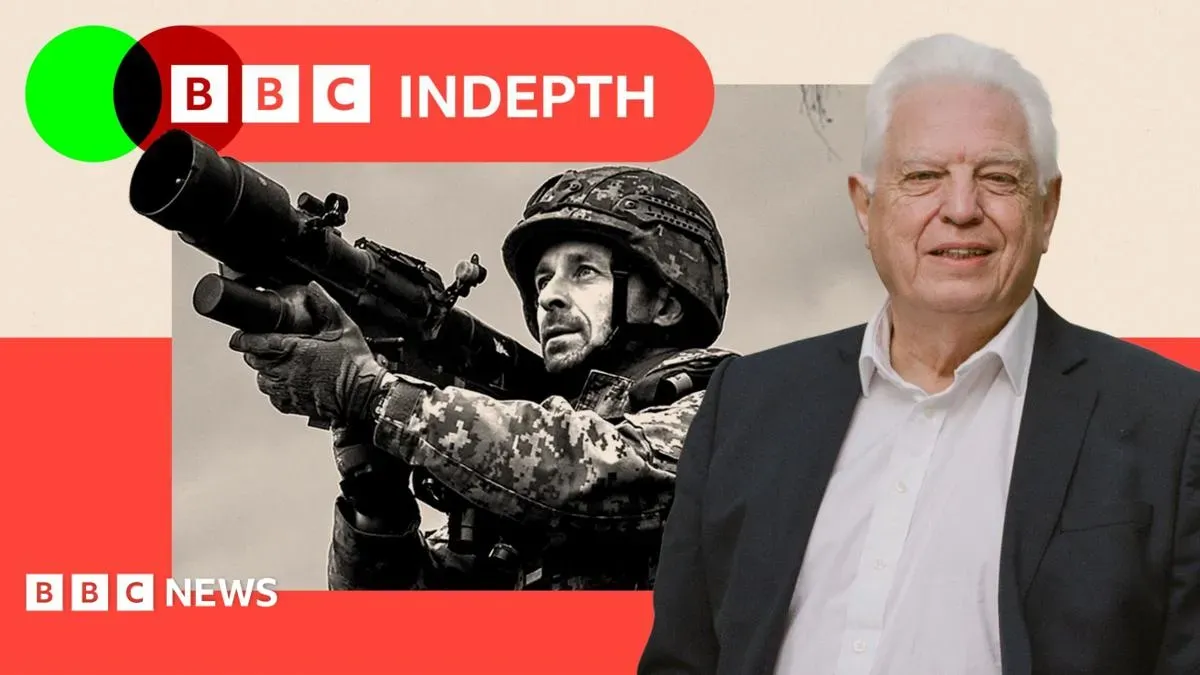
The city of Kyiv is an enigmatic place, especially after an eight-hour drive from the Polish border. The clock on your mobile phone suddenly changes to midnight, a peculiarity that seems to be part of a larger strategy to confuse incoming missiles and drones.
At first glance, Kyiv appears relatively normal, but you quickly become aware of the war's presence when sirens begin wailing and people check their phones for notifications about impending red alerts and missile strikes. There are even gadgets available that can tell you which direction drones are coming from and what type they are.
Over the past couple of weeks, Ukraine has been facing a significant number of drone and ballistic missile attacks. The situation escalated on Monday 16 November when Ukraine targeted the Kerch bridge connecting Russia to occupied Crimea. This was followed by a larger wave of missiles and drones that damaged the central road-bridge arch. In response, Russia fired seven ballistic missiles at Kyiv, disabling two out of nine bridges crossing the River Dnipro.
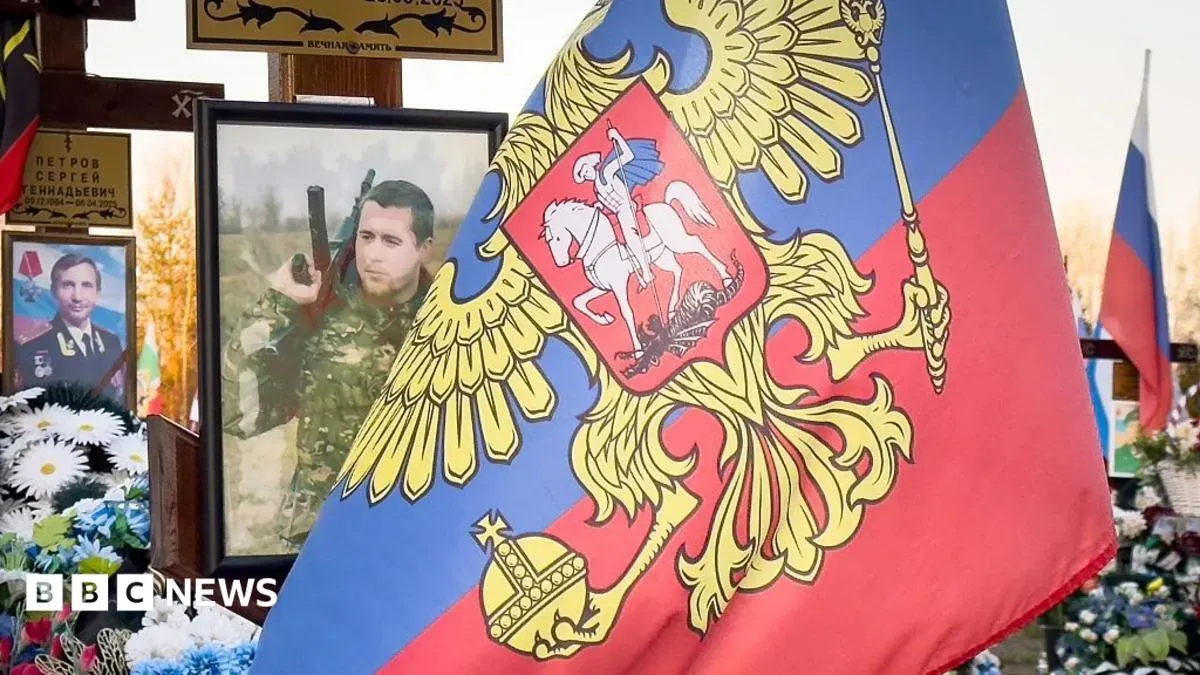
The ongoing conflict has been raging for more than four and a half years, resulting in estimated casualties of 100,000 Ukrainian troops and 18,000 Ukrainian civilians, according to the United Nations. The country's infrastructure has also suffered greatly, as well as its morale. As temperatures drop to freezing at night, Ukrainians are struggling with frequent blackouts, heat outages, and water shortages caused by Russian strikes.
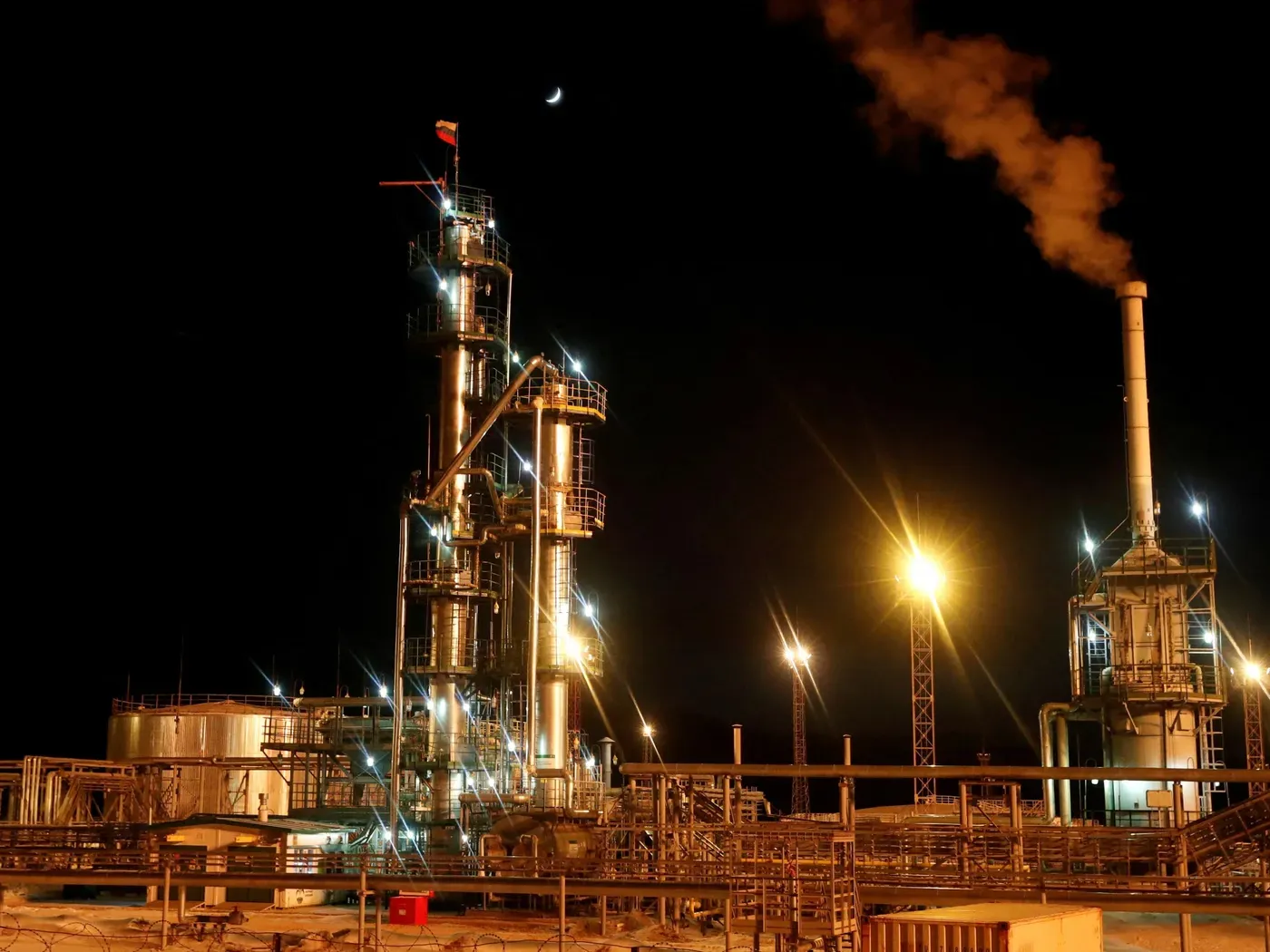
Kyiv is largely shrouded in darkness due to Russia's efforts to target Ukraine's electricity generation capabilities. Last week, the air raid sirens began wailing across the city, and our hotel's warning announcements came over the loudspeakers. Within minutes, we heard the first explosions, prompting me to jump out of bed and gaze out into the darkness.
The sudden blasts lit up the sky momentarily in a blaze of white and red, uncomfortably close to our location. The experience was intense and unsettling, but it's just one aspect of life in Kyiv during this prolonged conflict.
Ukraine has been fighting for its survival for an extended period, with devastating consequences. The war has left deep scars on the country's infrastructure, economy, and people. As winter sets in, the challenges Ukrainians face will only intensify, making it even more crucial to find a peaceful resolution.
The city of Kyiv is a testament to the resilience of its people, who continue to endure despite the hardships inflicted upon them by the war. The question remains: can Ukraine survive another difficult winter under bombardment, and what would a potential peace deal look like if one were to be reached?
The shelter in our hotel was a place where people sought refuge during the heaviest attacks, but it was far from a peaceful sanctuary. The thuds and crashes above ground, the constant lighting, and the snores of others made sleep impossible for many.
Living through such an ordeal can be grueling, with fatigue and frustration building up over time. Yet, despite the difficulties, the people we spoke to showed remarkable resilience in the face of adversity. It's a quality that has become all too familiar in cities like Kyiv, where normal life is severely disrupted by the constant threat of attack.
A combination of weariness and fury seems to be the prevailing reaction among those who live through such experiences. Whether it's Lebanon, Iraq, Serbia, or Ukraine, high-tech warfare tends to elicit a similar response - one that's characterized by a mix of exhaustion and outrage. In Kyiv, the attacks come without warning, day or night, making everyday life nearly impossible.
One thing is clear: despite their fatigue, people in Kyiv are not clamoring for surrender. Instead, they seem determined to carry on fighting, even if it means enduring more suffering. This determination is reflected in an opinion poll conducted by a Ukrainian market research company last month, which found that the majority of respondents were willing to put up with the war for as long as necessary.
The poll also revealed some interesting insights into how people perceive their chances of winning the conflict. While there's no guarantee of success, the numbers suggest that many Ukrainians are optimistic about their prospects - and not just in the short term. In fact, a significant majority believe that Ukraine will ultimately emerge victorious from this long and brutal war.
Food is plentiful in Kyiv, although prices have become exorbitant due to the ongoing conflict. However, it's water that poses a more pressing problem for residents. With the power grid repeatedly targeted by Russian forces, pumping water has become a luxury they can ill afford - and one that's essential for survival during the harsh winter months.
Kyiv underwent significant changes under Soviet rule, resulting in a cityscape dominated by high-rise apartment blocks. While these structures may provide some comfort, navigating them without electricity is a daunting task, especially when carrying heavy loads of water.
The question remains: can Ukraine survive another difficult winter under bombardment, and what would a potential peace deal look like if one were to be reached? The answer lies in the resilience of its people and their determination to resist the Russian onslaught - a testament to the unbreakable spirit that has come to define this embattled nation.
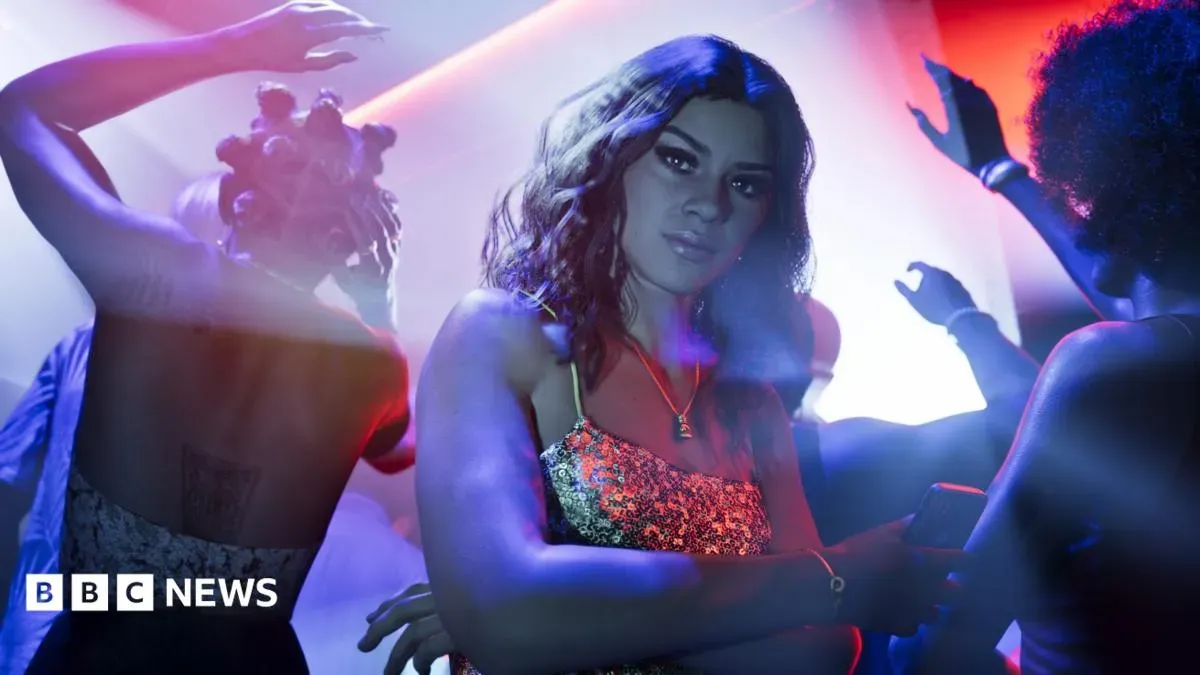
The rhythm of life in Kyiv continues despite the hardships faced by its residents. In an attempt to escape the reality of war, some young people gather outside nightclubs for impromptu raves during daylight hours. The 11pm curfew is a harsh reminder that freedom has been severely curtailed.
These clandestine gatherings serve as a coping mechanism for those seeking respite from the constant bombardment and fear. As one young woman explained, "It's a way of getting a bit of respite from everything." For others, it provides a fleeting sense of normalcy in an otherwise chaotic environment.
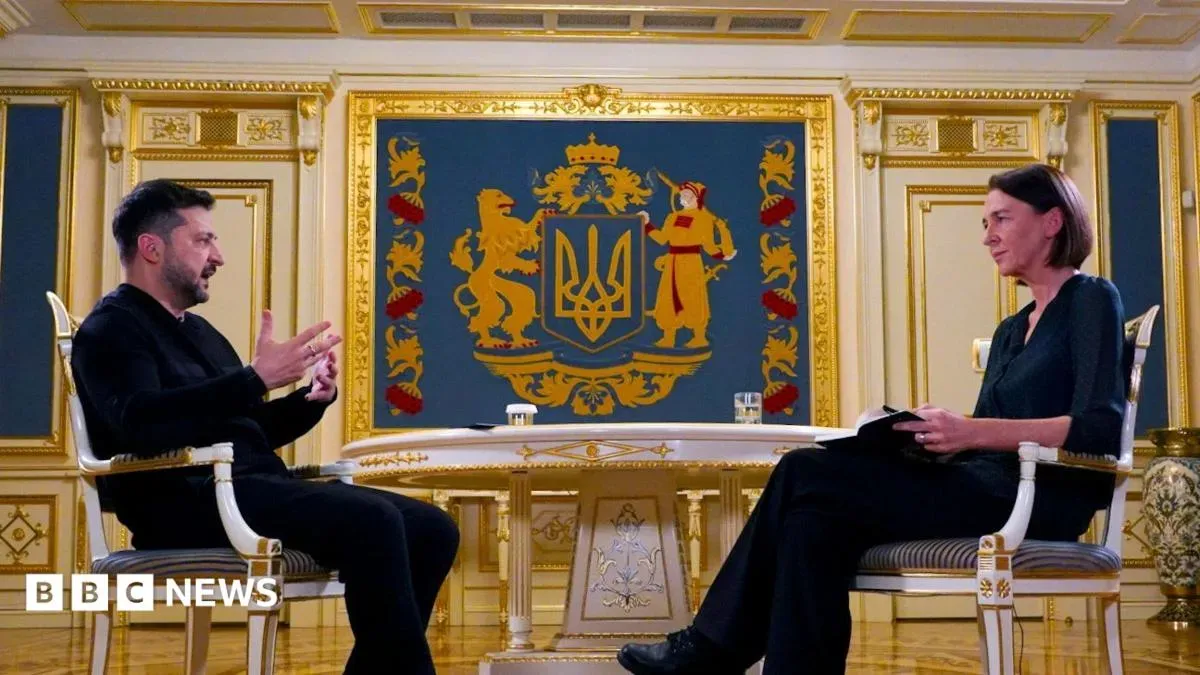
The war has taken its toll on President Volodymyr Zelensky's popularity. An elderly woman was spotted wandering around Independence Square holding a photo of her missing son, who is still listed as missing on the Eastern front. Her anger and frustration are directed at Zelensky, whom she blames for continuing the conflict.
Her sentiments may not be representative of the majority, however. Polls conducted by KIIS have consistently shown that Zelensky's trust ratings hover around 54% to 57%. Although this is lower than his peak in 2022, it remains a testament to his enduring support among Ukrainians.
In Kyiv, one sentiment is universally expressed: an unshakeable loathing of Russia. The country's actions have been met with widespread condemnation, and the people are determined to maintain their independence. This antipathy towards Russia is a recurring theme in conversations with locals.
Putin's decision to invade Ukraine was reportedly motivated by his belief that Ukrainians yearned to rejoin the Motherland. However, this notion has been consistently disputed by the Ukrainian government and its people. The reality on the ground tells a different story.
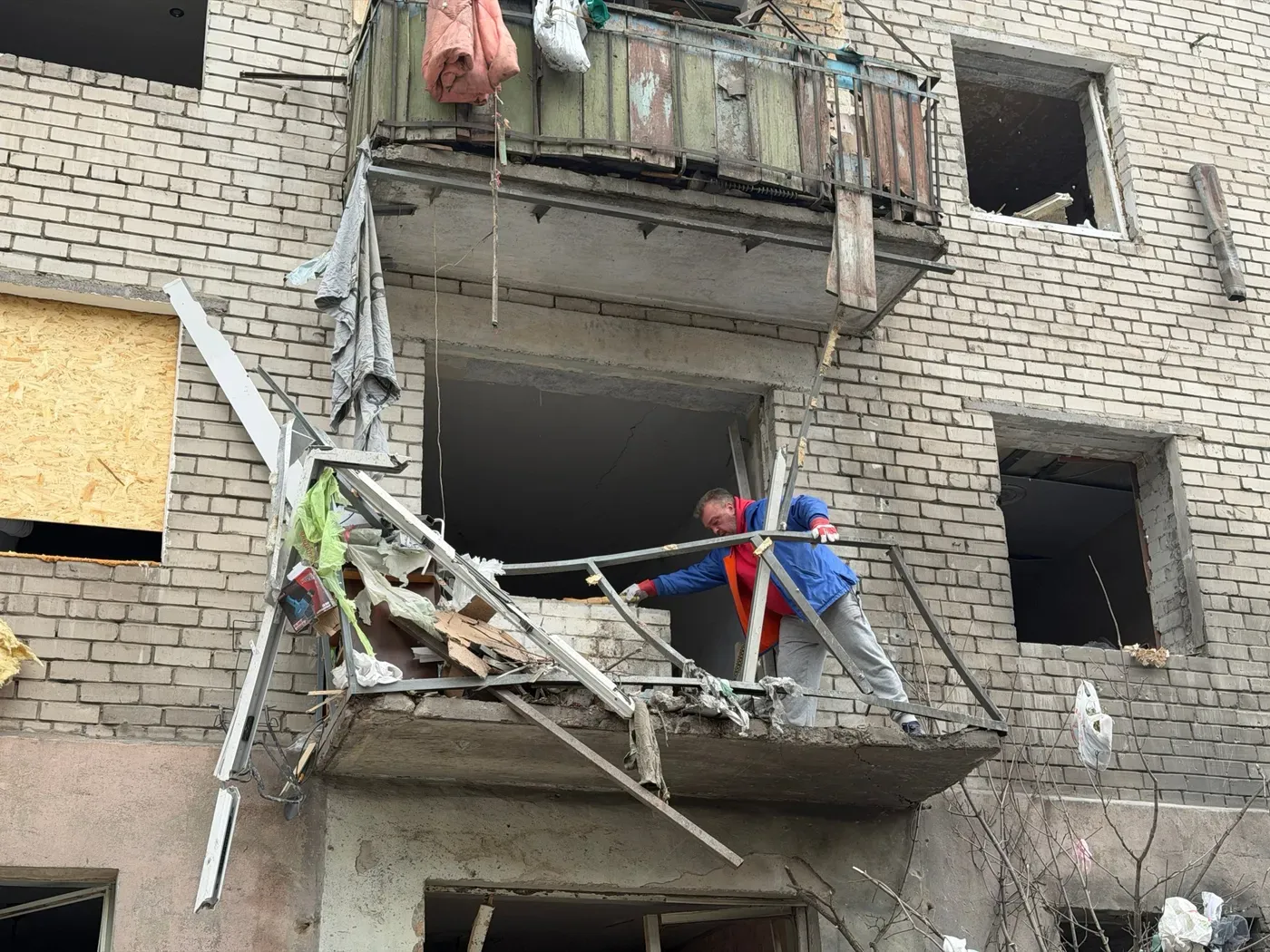
The human cost of war is evident in the destruction of hospitals, clinics, and schools. Russian missiles have targeted these vulnerable institutions with devastating consequences. In some instances, the "double-tap method has been employed, leaving medics and rescuers to face a second wave of attacks.
Ukraine's Ministry of Justice estimates that at least 20,000 Ukrainian children have been abducted and taken to Russia. The trauma inflicted on these young victims is immeasurable, and their families are left to pick up the pieces.
The war has also led to a resurgence in Ukraine's desire for independence from Russia. Even during the Soviet period, the country maintained its unique identity. This sense of self was reaffirmed when Ukraine voted overwhelmingly for independence following the collapse of the Soviet Union in 1991.
Ukraine's cultural heritage is distinct and proud, with even its cuisine reflecting this autonomy. A local waiter proudly claimed that borsch, a beloved soup made from beetroot, originated in Ukraine rather than Russia. This assertion highlights the country's unwavering commitment to its own identity.
The production team for MasterChef Ukraine had to navigate a challenging environment, filming on a borrowed set after their original studio was damaged in the conflict. The executive producer's phone remained glued to his hand as he constantly checked for alerts, swiftly moving the crew to safety when necessary. His vigilance underscored the unpredictability of life during wartime, where even entertainment productions must be prepared for emergencies.
In the midst of crisis, Ukrainians have found creative outlets to express their national identity. The surge in book publications about Ukraine and Ukrainian culture is a testament to this resilience. Despite linguistic similarities with Russian, Ukrainians are emphasizing their distinctiveness through language, highlighting the importance of using native spellings and vocabulary.
The war will eventually come to an end, but only when one side emerges victorious and a lasting peace can be negotiated. The approach of some international leaders, such as US President Donald Trump's team, has been criticized for its simplistic nature. They seem to view the conflict as a business deal, attempting to make concessions attractive enough for both parties to accept.
A recent proposal from Washington was met with skepticism due to its unrealistic terms. Ukraine would have had to cede control of the eastern territories currently held by Russia in exchange for joining NATO and having sanctions lifted against Moscow. However, this idea was deemed unacceptable because it ignored Russia's refusal to relinquish its territorial gains.
The US plan aimed to sweeten the deal with promises of unrestricted trade between the two nations, but neither side sees this as a purely economic issue. For Russia, the war has become deeply personal for President Vladimir Putin, who views it as an opportunity to assert his authority and prevent potential humiliation.
Putin's motivations are multifaceted, driven by a desire to protect his rule and reputation. His annexation of Crimea in 2014 boosted his popularity within Russia, but losing this conflict could have severe consequences for him personally. He has already faced challenges to his power, including Yevgeny Prigozhin's attempted march on Moscow last June.
Putin's concerns go beyond mere trade agreements with the West and the profits they might bring. His primary focus is ensuring his personal survival and avoiding the potential repercussions of defeat. This fixation underscores the high stakes involved in the conflict for him.
In a revealing comment, reportedly made to his associates last August, Putin allegedly stated that if he doesn't emerge victorious they'll hang me. This statement offers insight into his mindset, suggesting that he prioritizes his personal safety above all else.
The Ukrainian people's determination to preserve their national identity is evident in their continued cultural pursuits. Despite the challenges posed by war, they remain committed to expressing themselves through various forms of art and literature.
The international community's approach to resolving the conflict remains uncertain, with some leaders still clinging to outdated notions of diplomacy as a business deal rather than a complex negotiation between nations with deep-seated differences and conflicting interests.
Ukrainians' skepticism towards the US is palpable, with many expressing intense disdain for the country's handling of the conflict.
Their distrust stems from what they perceive as a lack of concrete action by Washington to support Ukraine's sovereignty and territorial integrity, leaving them feeling abandoned in the face of Russia's aggression.
For many Ukrainians, the idea of negotiating a peace agreement with Russia is met with skepticism, given Moscow's history of reneging on its commitments, including the 2014 treaty that recognized Ukraine's borders.
Some argue that defeating Russia militarily is the only way to ensure long-term security and stability for Ukraine, echoing the sentiments of those who believe reparations from Russia are essential to rebuild and recover from the devastating impact of the war.
The estimated cost of reconstruction and recovery stands at over $500bn, a staggering figure considering Ukraine's pre-war GDP was just $200bn, making it a daunting task to rebuild and restore the country.
In Kyiv, there is little optimism about the prospects for peace, with many believing that Russia's aim is to make life unbearable for Ukrainian citizens through sustained bombardment and economic pressure.
While some may view the ongoing conflict as demoralizing, the resilience of the Ukrainian people remains unwavering, refusing to be swayed by the daily and nightly reminders of war.
The harsh winter weather has descended upon Ukraine, bringing with it temperatures that are plummeting to record lows. Freezing conditions have become a daily reality for those living in war-torn areas, where the conflict shows no signs of abating.
As John Simpson notes, the ongoing fighting is a stark reminder of the country's unyielding spirit." Despite the freezing weather and constant reminders of war, Ukraine remains steadfast in its resolve.
Facts based on reporting originally published by BBC News World.
You may republish this story, in full or in part, if you credit Noti Group and link to it (licence CC BY 4.0). Photos are not included.