




Nvidia CEO Jensen Huang Returns After Brief Absence Following Revelations of Affairs
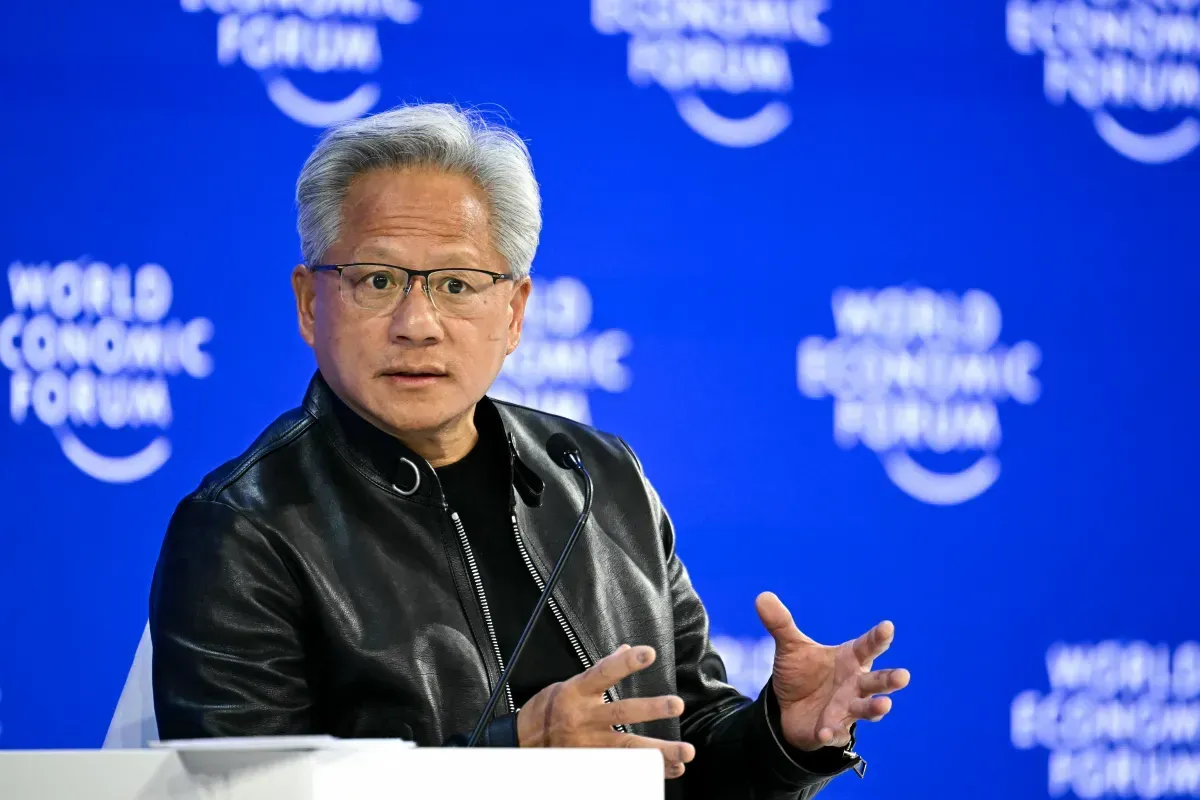
Jensen Huang has returned as Nvidia CEO after a brief absence following revelations about multiple affairs, including one with a subordinate and another tied to Chinese intelligence services.
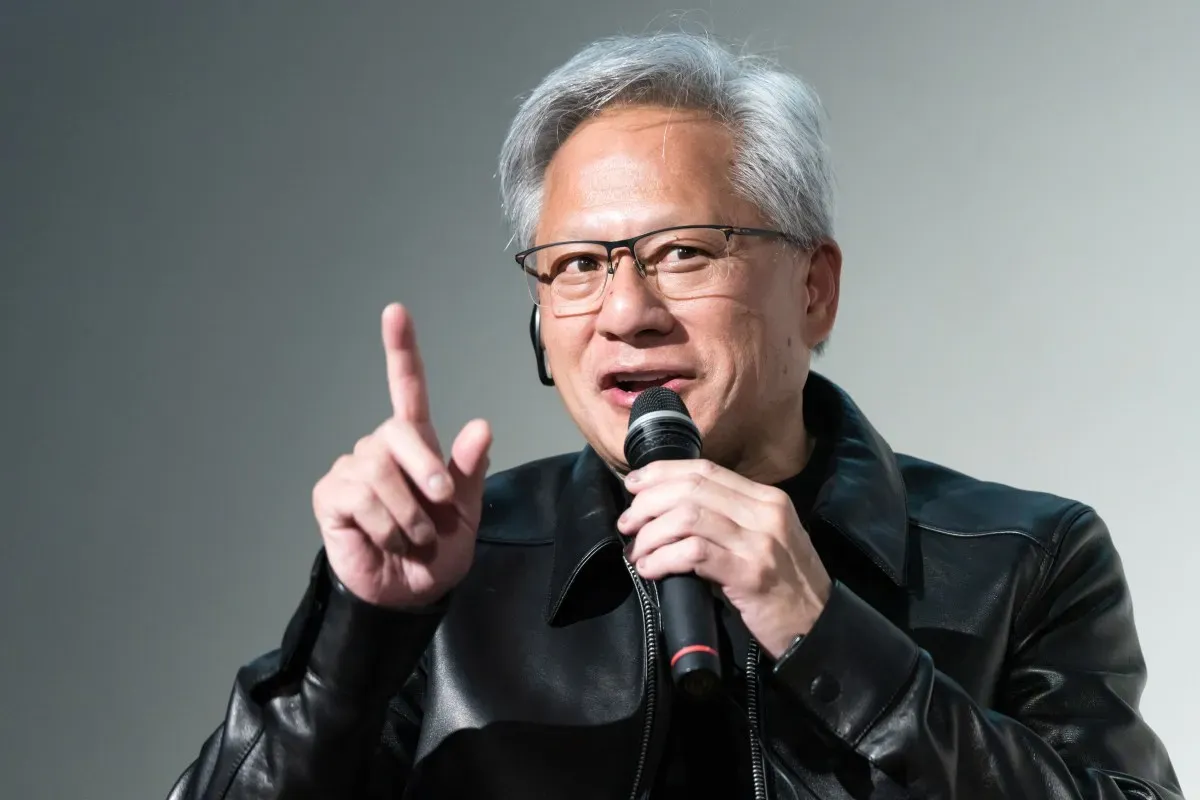
Jensen Huang has returned to his position as CEO of Nvidia after a brief absence following revelations about multiple affairs, including one with a subordinate and another tied to Chinese intelligence services.
The AI industry's reliance on Nvidia's infrastructure means that Huang's departure was seen as a potential threat to the company's business. However, share prices have surged since his return, particularly for cloud computing companies like CoreWeave and Nebius, which are likely to benefit from increased demand for their services.
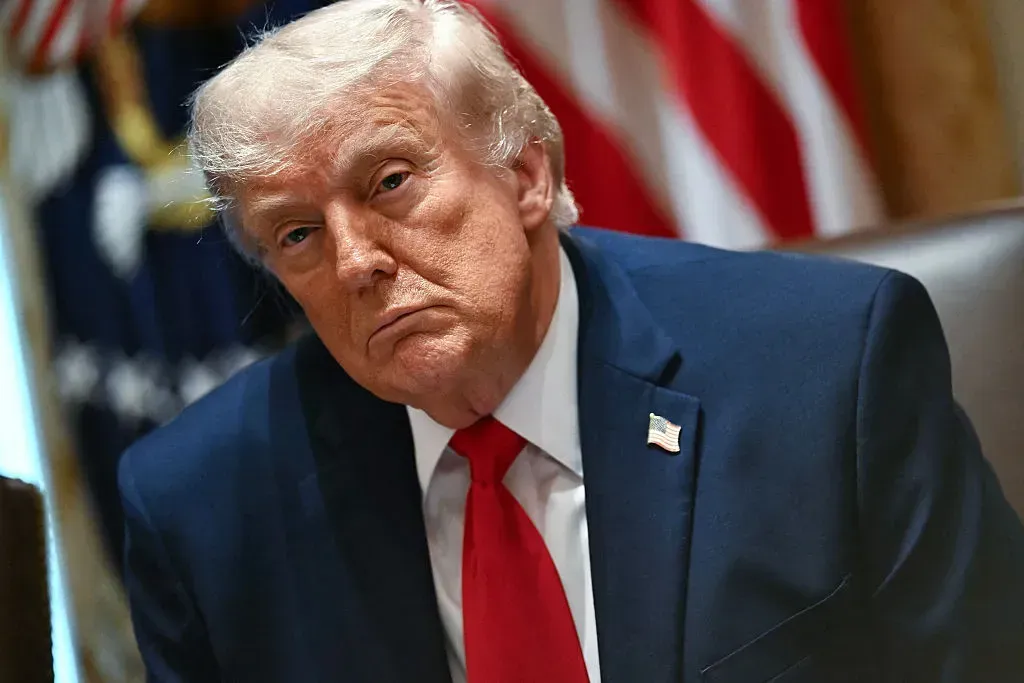
Nvidia's partners may be celebrating the news, but tech leaders should remain cautious about the implications of Huang's reinstatement. President Trump has stated that the US government found no national security concerns resulting from the affair, but experts believe this issue is more complex than a simple binary answer.
The question remains: how were Nvidia chips smuggled into China, and what did the company know about it? Defenders of Jensen Huang have questioned whether his partner Alice was genuinely a spy, but it's clear that restricted chips were being funneled into China through her company during the same period as their affair.
Nvidia's troubles aren't over just yet, as Democrats take control of Congress, bringing with them enhanced investigative powers that could scrutinize the company's role in violating US export controls.
The return of Jensen Huang to his CEO position means any revelations about Nvidia's involvement would have a significant impact on the company's reputation, not just Huang's personal standing. Any new evidence uncovered by Congress would likely be damaging to both the company and its CEO.
The pardon itself has raised several eyebrows, particularly in light of American history. It is unprecedented for a sitting president to intervene directly in a case involving a CEO accused of posing a national security risk, typically handled through normal judicial channels.
Huang's close ties with Trump have also come under scrutiny, given the $25 million donation he made to the President's ballroom project. This connection has sparked accusations that Trump may have prioritized his personal interests over national security concerns.
The new Democratic-led Congress is poised to delve deeper into these questions and others still unanswered. They will likely seek information on whether any Department of Justice inquiry was conducted, or if Trump acted unilaterally in granting the pardon.
Commerce Secretary Howard Lutnick's role in overseeing export controls while maintaining financial ties to the industry through his firm Cantor Fitzgerald has also caught the attention of investigating Democrats.
The road ahead for those following national news is about to get even rockier, with a constant stream of embarrassing revelations from Congress that will milk every last drop of political capital possible.
As the story continues to unfold, it's becoming increasingly clear that Nvidia's board was likely anticipating this very scenario when it decided to remove Jensen Huang two weeks ago. However, since then, the cost of taking action has skyrocketed with an open letter from employees and partners, a plummeting stock market, and even direct intervention from the President.
The decision to remove Huang now seems like a calculated gamble that may not have been worth the risk. With each passing day, the stakes are getting higher, and it's becoming increasingly difficult for Nvidia to extricate itself from this toxic situation.
As the board must have feared, the scenario they foresaw earlier this month is still very much on track to play out, bringing with it a whole host of ugly consequences that will likely reverberate throughout the tech industry. It remains to be seen how Nvidia will navigate these treacherous waters and emerge unscathed.
The President's intervention has only added fuel to the fire, escalating tensions and raising the stakes even further. With this latest development, it's clear that things are about to get a lot worse before they get better.
The ouster of Jensen Huang from Nvidia has sparked a new development in India, where a startup is suing Apple over its tap-to-share contacts feature. The lawsuit claims that Apple's implementation infringes on the company's patent rights.
This latest turn of events comes as the tech industry continues to grapple with its own internal struggles, including Microsoft's voluntary layoffs and Nvidia's leadership shakeup. Meanwhile, Palmer Luckey has expressed his support for Jensen Huang's reinstatement, suggesting that China may be pleased with the situation.
Facts based on reporting originally published by TechCrunch.
You may republish this story, in full or in part, if you credit Noti Group and link to it (licence CC BY 4.0). Photos are not included.