


Spain's Transport Minister Resigns Following Train Collision
Óscar Puente has stepped down from office after a devastating high-speed train collision near Madrid claimed at least 69 lives.
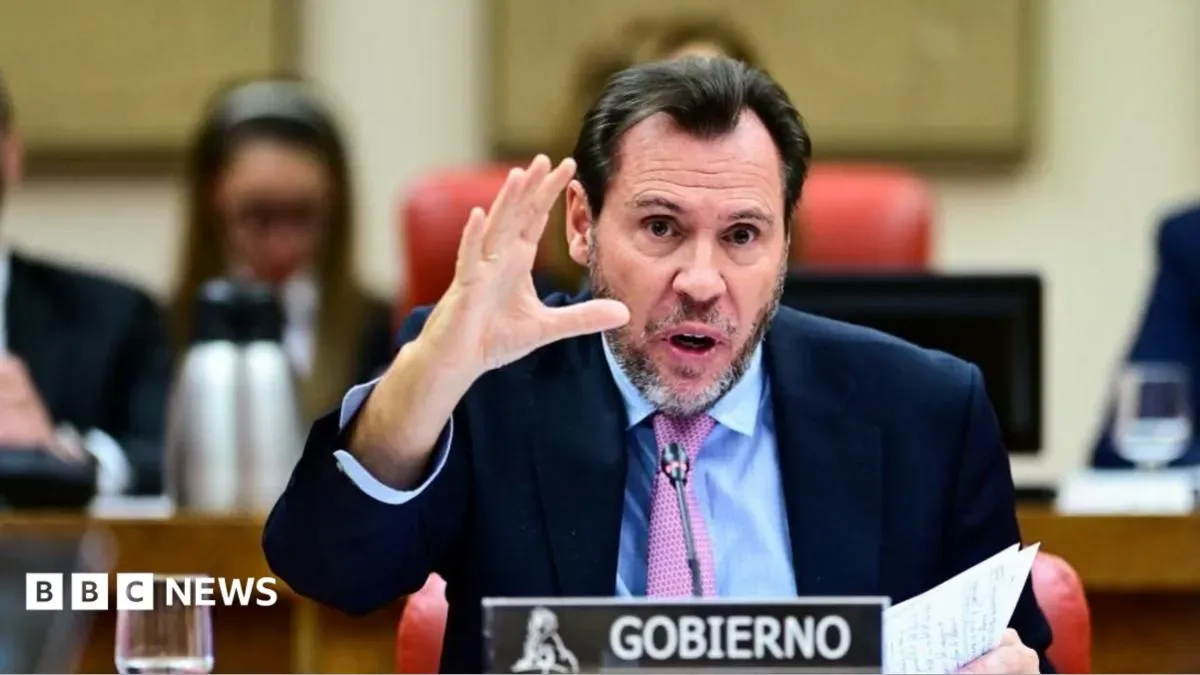
Spain's Transport Minister Óscar Puente has stepped down from office in the wake of a devastating high-speed train collision that claimed at least 69 lives and injured numerous others just six days ago.
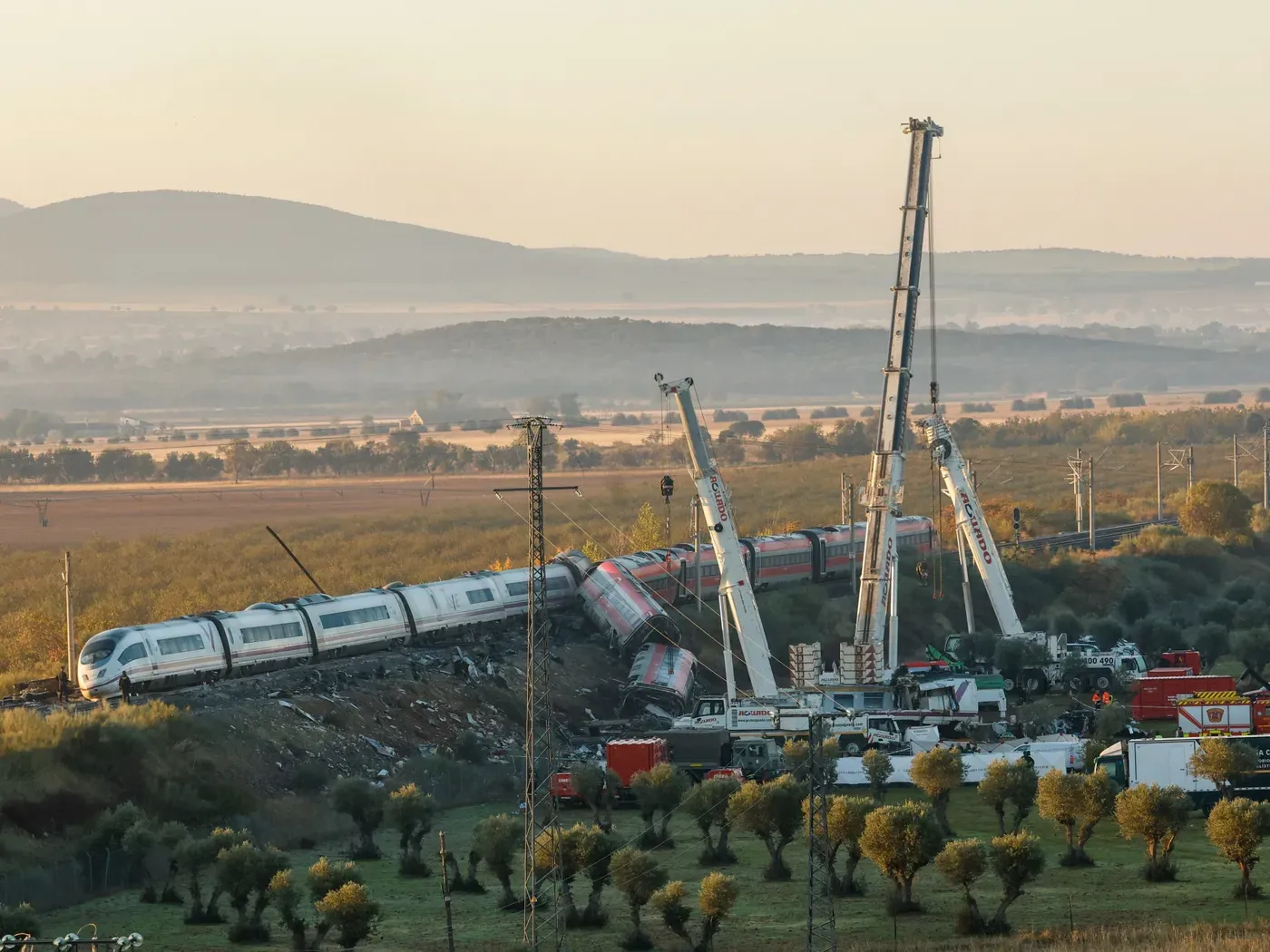
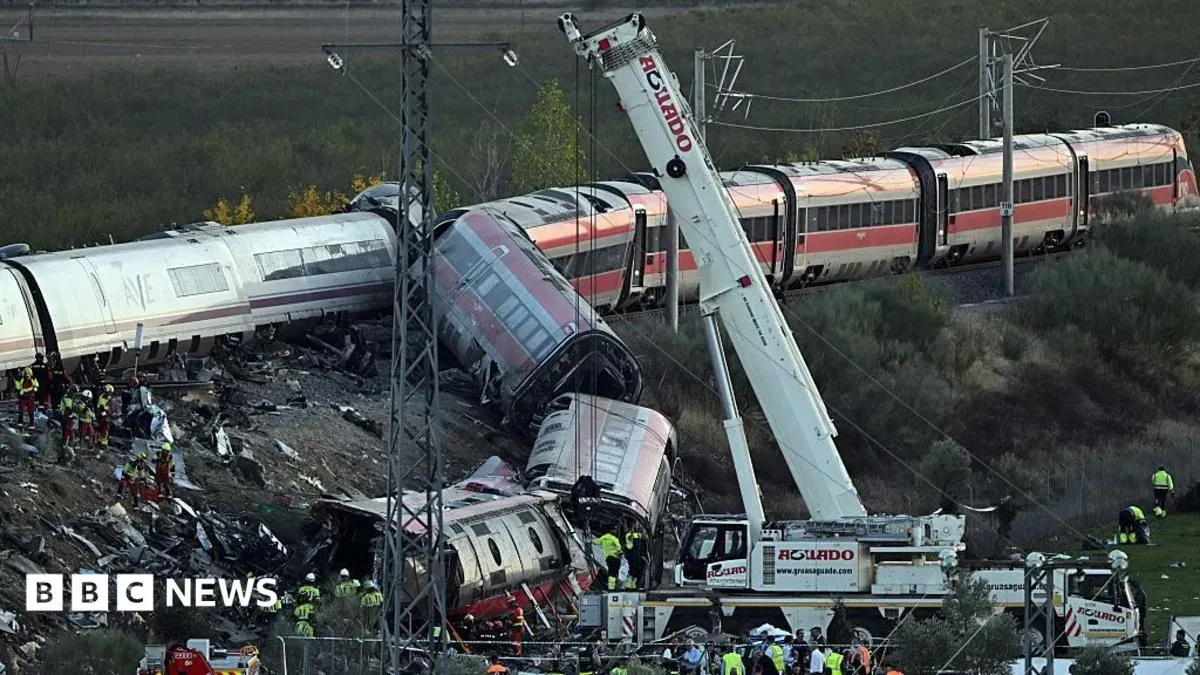
The crash occurred near the town of Urda, south of Madrid, when one train slammed into the rear of another stationary train, resulting in catastrophic consequences. The severity of the accident has left many questioning whether adequate safety measures were in place to prevent such a disaster from occurring.
Puente's resignation comes on the heels of last week's crash, which is being regarded as one of Europe's worst rail disasters in recent history and Spain's deadliest since 2013. This incident marks the second major train accident in less than a year, following a similar tragedy in January that left 46 people dead.
Puente had faced intense scrutiny over his handling of the situation, with opposition parties such as the People's Party and Vox calling for his resignation alongside some members of the government's own coalition. As the main opposition forces, they saw Puente's continued presence in office as unacceptable given the severity of the crash.
In a dramatic move, Puente announced his decision to resign during a lengthy congressional session on Tuesday evening, where he had outlined new rail safety measures and faced grueling questioning from lawmakers.
Puente's resignation has sparked intense debate about the safety of Spain's high-speed rail system.
Critics argue that the minister should bear responsibility for the system's credibility, which even Socialist Prime Minister Pedro Sánchez acknowledged was "broken".
The opposition has accused Puente of shifting blame onto human error, rather than accepting his own role in the crash.
This criticism comes as many Spaniards now question the safety of the high-speed rail network.
A technical issue with the automatic signalling system had caused all trains to stop on the affected stretch of track before the accident occurred last Wednesday.
The Renfe train was carrying 397 passengers when it crashed into a stationary Iryo train that was carrying 147 passengers, sparking widespread outrage and calls for greater safety measures.
Leaked audio recordings published in the media revealed tense conversations between train drivers and control centre staff just minutes before the disaster unfolded.
One of the recordings appears to show a control centre operator instructing a driver from the Renfe train to proceed with caution despite knowing that another train had stopped on the track ahead.
The Lateral Signalling Block system, which is used as a backup when automatic signalling or data transmission fails, was apparently in operation at the time.
The driver's repeated attempts to start the stationary Iryo train were met with frustration as they struggled to regain control of the vehicle.
According to an audio recording, the driver informed the control centre that communication with the train-control system had been lost, and the train was not moving despite being positioned in front of the entry signal at Urda.
The control centre operator responded by instructing the driver to resume the journey normally, but this instruction proved futile as the driver reported being unable to start the train due to a malfunction in the security system.
The Iryo train's failure to move allowed the Renfe train to collide with it from behind, resulting in devastating consequences.
Facts based on reporting originally published by BBC News World.
You may republish this story, in full or in part, if you credit Noti Group and link to it (licence CC BY 4.0). Photos are not included.