



Train Collides with Stationary Train in Spain, Killing 69
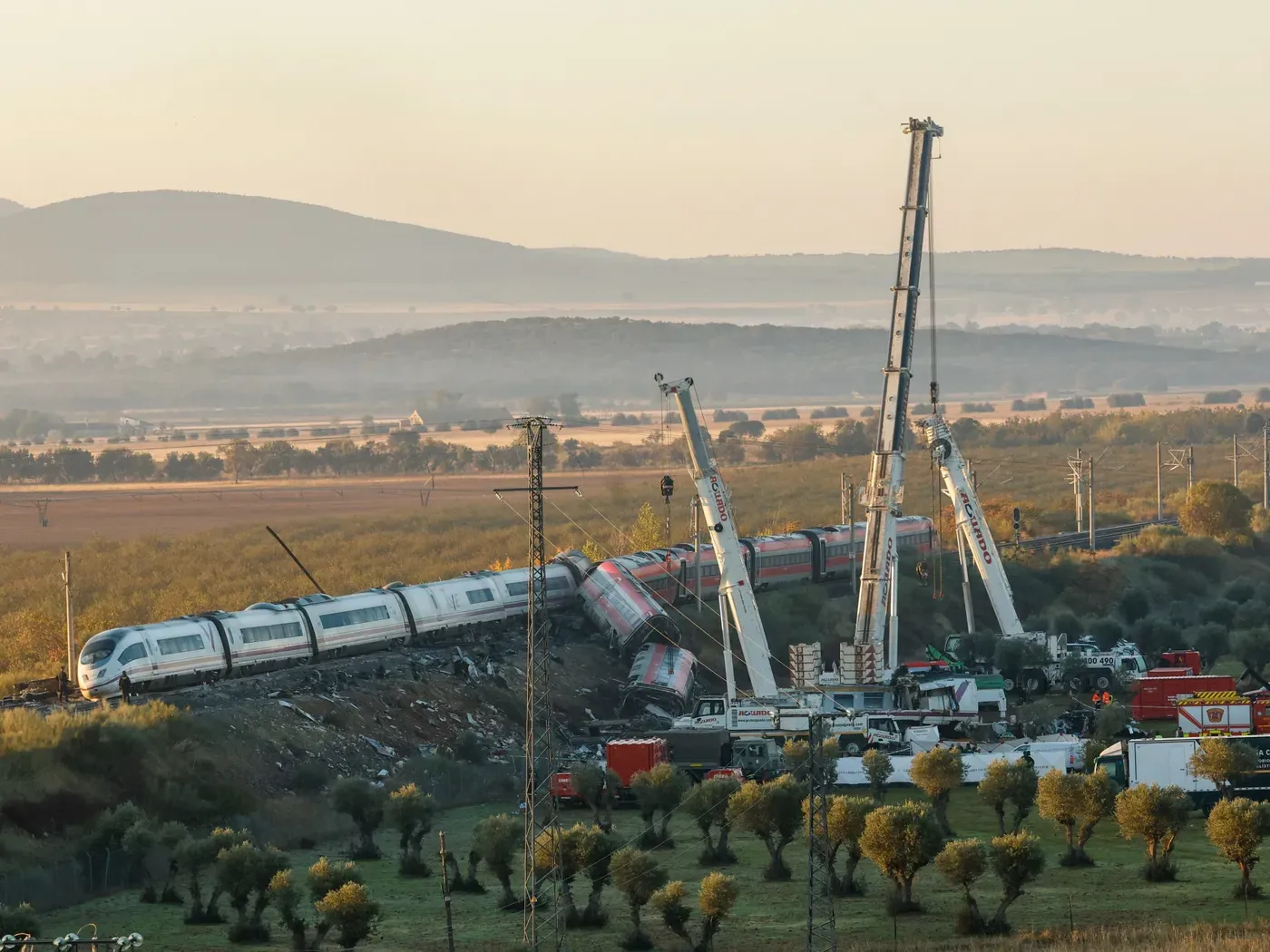
At least 69 people have died and dozens were injured after a high-speed train crashed into another train on its way from Madrid to Seville.
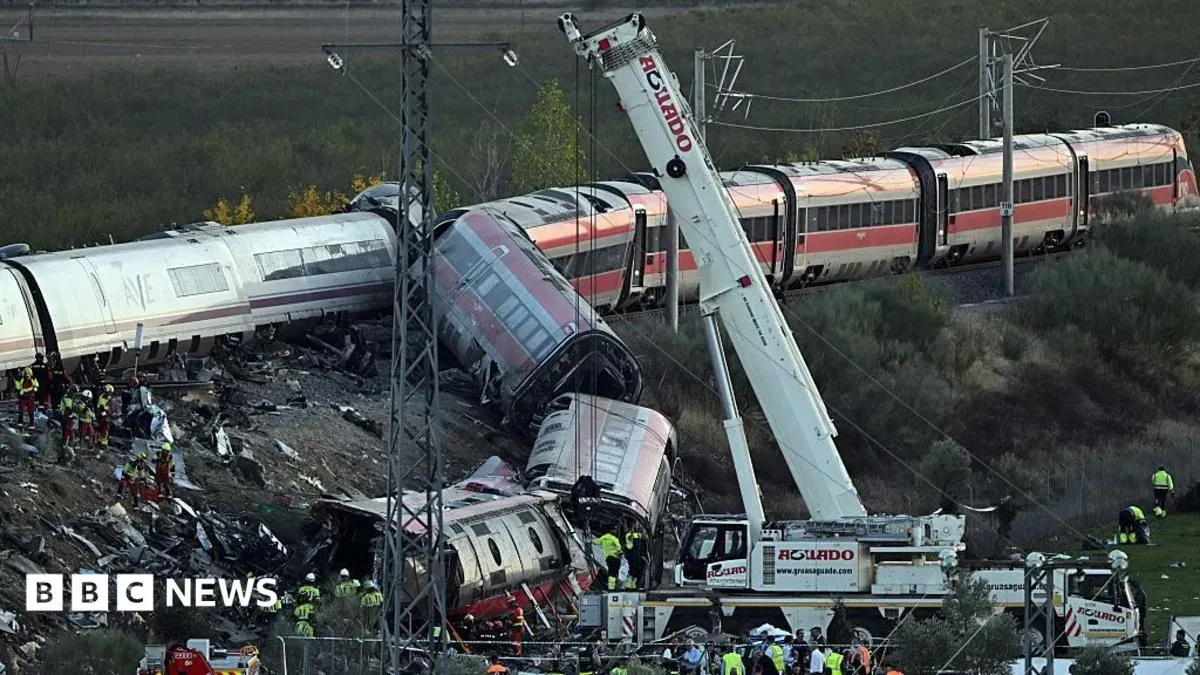
A devastating train crash in Spain has left at least 69 people dead and dozens injured after a high-speed train collided with a stationary train on its way from Madrid to Seville.
The investigation into the cause of the disaster is ongoing, but preliminary findings suggest that a series of errors led to the tragic outcome. On Wednesday morning, a train carrying 397 passengers was given clearance to proceed despite another train being stalled ahead, approximately 25km up the track.
According to audio recordings released by Spanish media outlets, control centre officials in Madrid instructed one high-speed train to move forward, even though it had been informed that the preceding train was stationary due to technical issues.
These recordings appear to show a breakdown in communication and a failure to follow standard procedures in the moments leading up to the crash.
The Renfe train, operated by the state-owned railway company, was one of two trains involved in the disaster, with 147 passengers on board the other train run by private operator Iryo.
A series of audio recordings has shed light on the communications between train drivers and a control centre before the devastating train crash in Spain.
The recordings reveal that the driver of the Renfe train was experiencing technical difficulties while travelling behind another train. The control centre operator intervened to instruct the driver to continue their journey, but seemed to be unaware of the severity of the situation.
The operator's instructions were clear: "Continue your journey and then proceed under [Lateral Signalling Block], at normal speed with normal operation." However, this guidance was given despite the fact that the train was having technical difficulties. The driver responded with a question, asking if they should proceed at normal speed.
This exchange raises questions about the effectiveness of the control centre's communication with drivers in emergency situations.
The investigation into the deadly train collision in Spain has raised more questions about the control centre's communication with drivers in emergency situations.
A recording suggests that the controller had been informed that the Iryo train remained stationary as the Renfe train approached. However, this information did not seem to have been passed on to the driver of the Renfe train, who was instructed to move forward without any speed restrictions.
The cause of the accident remains unclear, but it has sparked a heated debate about safety procedures and communication protocols in Spain's rail network.
Spain's transport minister Óscar Puente described the decision to instruct the trains to move again as "inexplicable, while Prime Minister Pedro Sánchez expressed his condolences for the victims, saying that lives had been shattered and families torn apart by the tragedy.
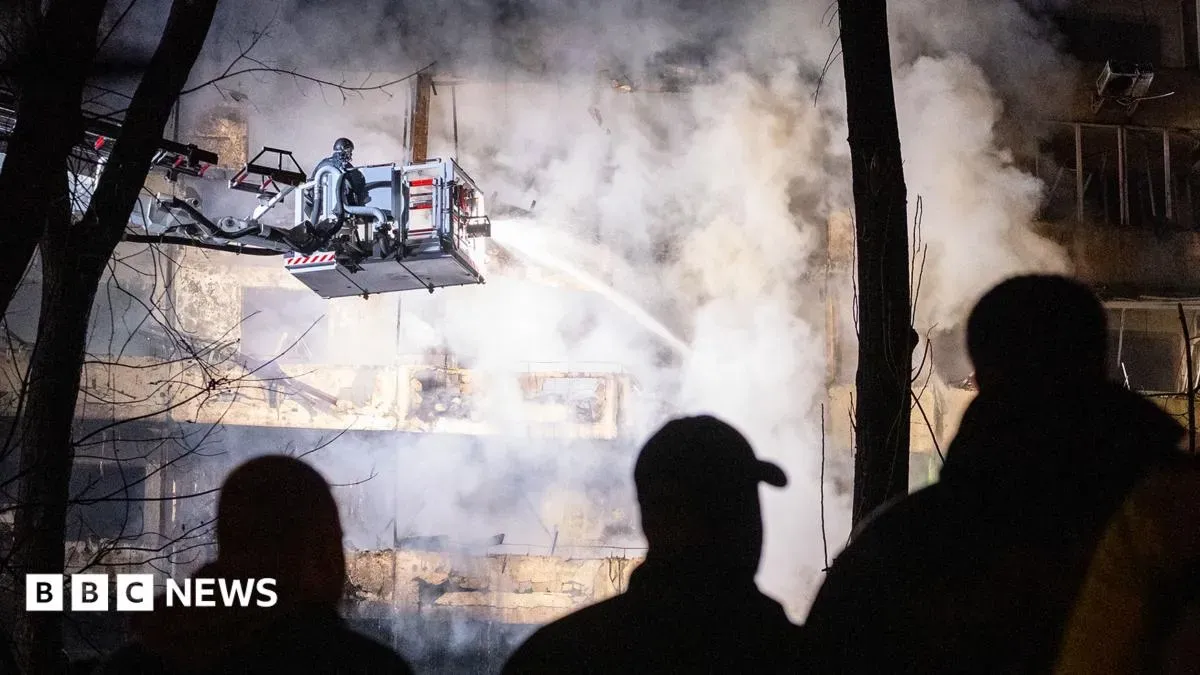
Emergency crews worked tirelessly under powerful floodlights to search for survivors and cut open metal carriages to reach trapped passengers. Hundreds of personnel were deployed to the disaster site to assist with recovery efforts, using drones and helicopters to locate victims and remove rubble.
Witnesses described a harrowing scene, with people crying and bleeding, passengers trapped in their seats, and smoke billowing from one of the carriages that caught fire.
The accident has reignited concerns about safety on Spain's railways, particularly given that it occurred on the same line as a previous high-speed crash that killed 46 people near Córdoba in January.
Following the train crash in Spain, many political parties have put their election campaigns on hold. However, one exception is the far-right party Vox, which intends to continue campaigning despite the tragedy.
Vox's leader Santiago Abascal has stated that his party will not participate in what he terms as attempts to use mourning to silence criticism of Spain's rail infrastructure. This stance sets Vox apart from other parties, many of which have chosen to suspend their campaigns out of respect for the victims and their families.
The reaction to the train crash has also been evident on the streets of Madrid, where around 1,500 people gathered outside the Spanish Transport Ministry building overnight. Demonstrators were largely calling for the resignations of Prime Minister Sánchez and Transport Minister Puente, according to reports from Spanish broadcaster TVE.
Police were deployed to disperse the crowds after protesters began hurling bottles and flares. Despite this, no injuries or arrests were reported. The planned strike by rail drivers on Thursday is still expected to go ahead, with the Spanish Union of Railway Drivers (Semaf) stating that it will be held in defence of railway safety".
Relatives of passengers who were on board the two trains involved in Wednesday's crash are still trying to gather information about their loved ones. The Spanish Civil Guard has established bureaus in several cities to assist with this process and collect reports of missing persons.
DNA samples will be taken from the victims, allowing relatives to be located and notified of their family member's status. A vigil was held in Toledo, where locals observed a minute's silence to commemorate the victims of the crash.
The European Union has shown solidarity with Spain by flying its flag at half-mast in Brussels, reflecting the country's mourning period. The crash is one of the deadliest in recent Spanish history, following an incident in 2013 that claimed 80 lives near Santiago de Compostela.
Facts based on reporting originally published by BBC News World.
You may republish this story, in full or in part, if you credit Noti Group and link to it (licence CC BY 4.0). Photos are not included.