

Mbappe's comment about Mao Zedong sparks international controversy
The French football star's offhand remark has led to widespread outrage in China and the withdrawal of several Chinese sponsors from him and his club Real Madrid.
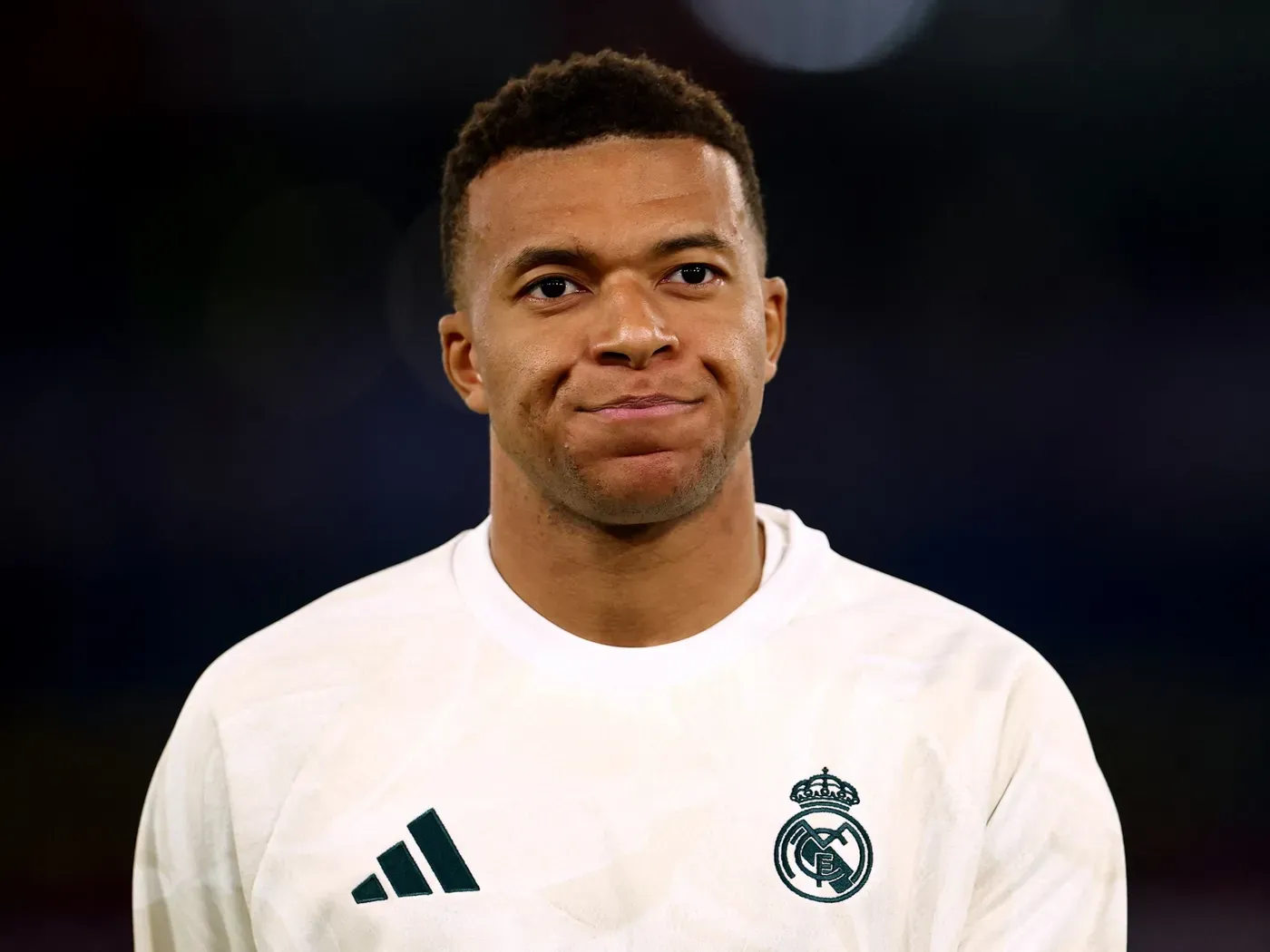
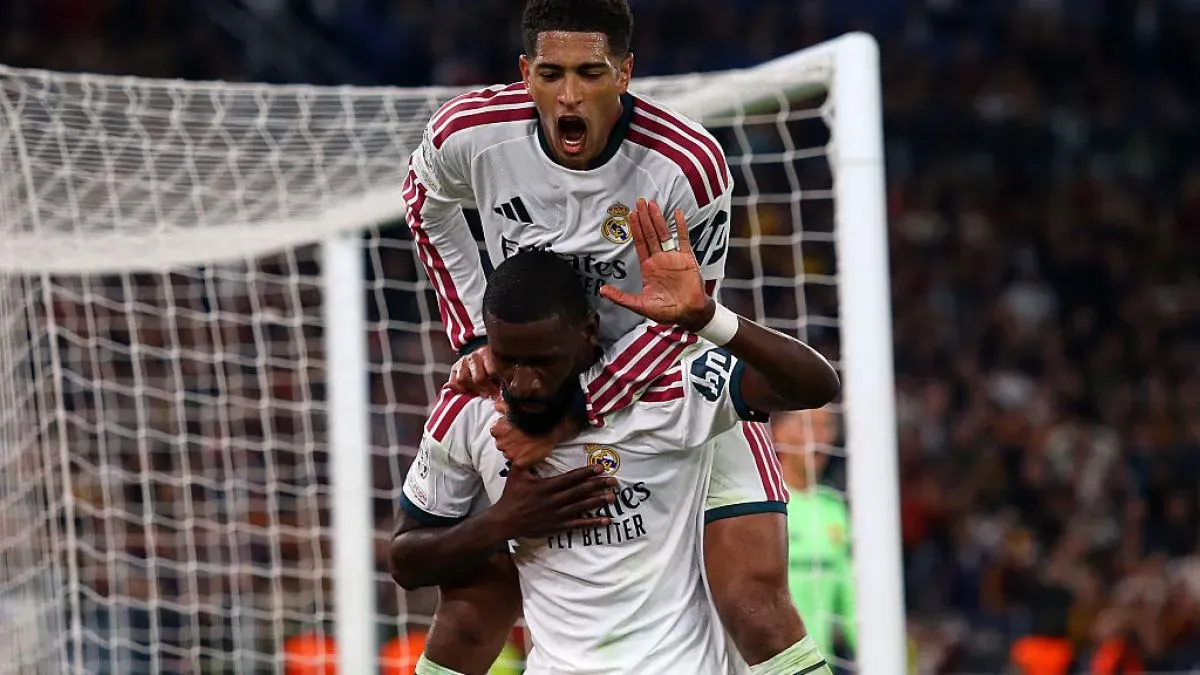
French football superstar Kylian Mbappe has found himself at the center of an international controversy after making a comment about Chinese history during a conversation about a meme. The image in question superimposed his face on that of Mao Zedong, with Mbappe referring to the late Chinese leader as someone he believed was a dictator.
Mbappe's offhand remark sparked widespread outrage in China, leading several Chinese sponsors to withdraw their support from him and his club, Real Madrid. State television also suspended broadcasts of La Liga matches, while both Mbappe and Real Madrid issued apologies for any offense caused.
The controversy highlights the delicate balance between free speech and cultural sensitivity, particularly when it comes to issues of national pride. In this case, a lighthearted joke about a meme was interpreted as a serious affront to China's history and values.
Mbappe is not alone in facing backlash for his words or actions. Several athletes have previously found themselves caught up in similar controversies.
Athletes who use their platforms to express themselves are often met with scrutiny and consequences.
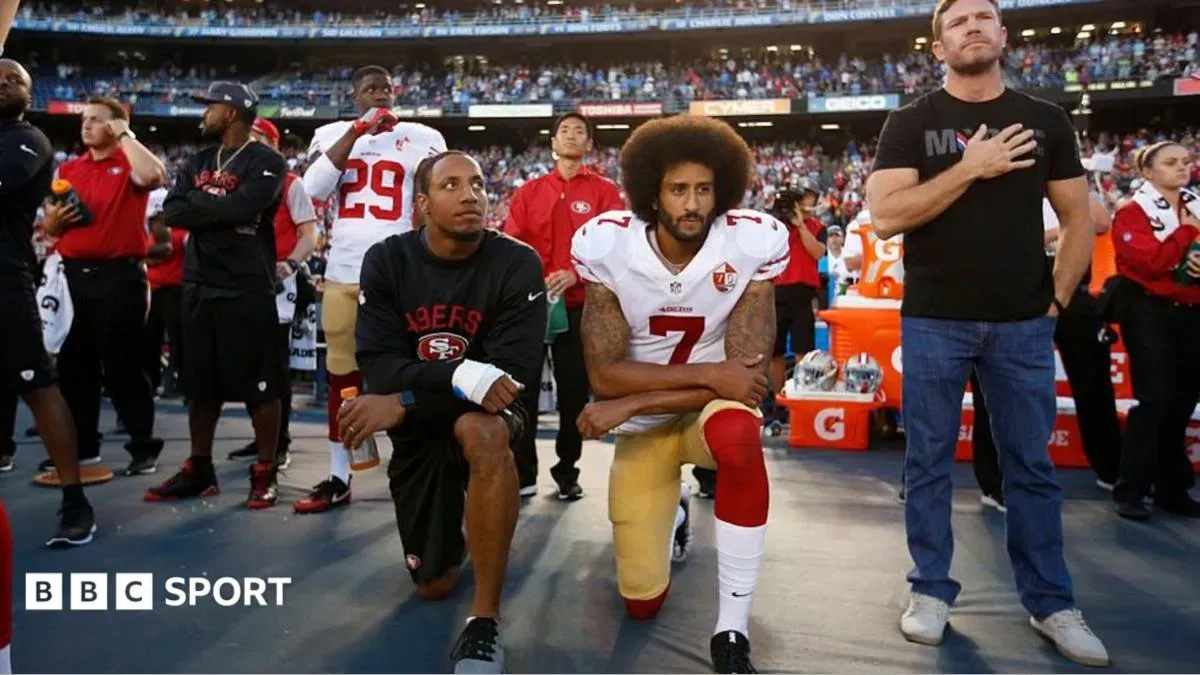
Despite varying intentions behind their statements, athletes like Kaepernick and Yamal have faced backlash for speaking out on social issues. In contrast, Mbappe's joke was not enough to shield him from similar criticism, highlighting the blurred lines between free speech and accountability in sports.
As a high-profile athlete, Mbappe's marketability and influence come with strings attached. His commercial relationships can be leveraged by others to control his public statements, limiting his ability to express himself freely.
In ancient Greece, athletes who excelled on the field were often rewarded with financial benefits, civic honors, and even public recognition. This association between athletic success and prestige could also lead to a sense of ownership by their communities, as seen in the case of Astylus, a runner who claimed affiliation with multiple cities during his competitions.
Today, sports institutions assert claims over athletes' thoughts and actions, expecting them to represent their teams, nations, or sponsors. As a result, athletes may feel pressure to self-censor, as exemplified by Real Madrid coach Jose Mourinho's advice: "Often the best thing you can do is keep your mouth shut."
When athletes express themselves freely, their words can have significant consequences, including financial repercussions for their clubs and leagues.
The pressure to recant or apologize can be intense when a single remark is deemed unacceptable, particularly if it threatens access to a lucrative market.
This dynamic raises questions about the nature of celebrity in sports, where athletes are often encouraged to be themselves, yet only up to a point. The expression of individual character is valued, but only as long as it aligns with the interests of the business.
Audiences also play a role in enforcing conformity by judging not only what athletes say, but also their silence on various issues. This can create a sense of obligation for sports stars to address complex moral and political questions, even if they lack expertise or experience.
Athletes' freedom to speak must be protected from institutional pressure, including the expectation that they will conform to certain standards of behavior in order to avoid repercussions.
Freedom of speech is not a shield against criticism or disagreement. Fans have every right to express their discontent, and athletes must be accountable for any remarks that may offend others. However, the key question remains whether such comments cause harm, rather than simply causing embarrassment to governments or threatening financial interests.
The supposed neutrality of sports events helps conceal the pressure on athletes to conform to certain standards. The presence of flags, anthems, and government-sponsored prestige adds a layer of politics to sporting spectacles, making it more challenging for athletes to express their independent views without facing criticism.
A champion's achievement may bring glory to their community, but this does not grant that community ownership over the athlete's personal convictions. Clubs can purchase sports services, and sponsors can buy advertising space, but neither transaction entitles them to dictate an athlete's opinions or beliefs.
Sporting institutions often sell athletes as personalities, but if they choose to do so, they must also accept that these individuals have their own voices and perspectives, which cannot be suppressed or silenced.
Facts based on reporting originally published by Al Jazeera.
You may republish this story, in full or in part, if you credit Noti Group and link to it (licence CC BY 4.0). Photos are not included.