

Finland's LGBTQ+ Community Celebrated in New Documentary Fruitcakes: Dawn of Drag
The documentary Fruitcakes: Dawn of Drag explores Finland's first drag show, Happy Gays, and the struggles faced by the country's LGBTQ+ community during the late 1970s AIDS crisis.
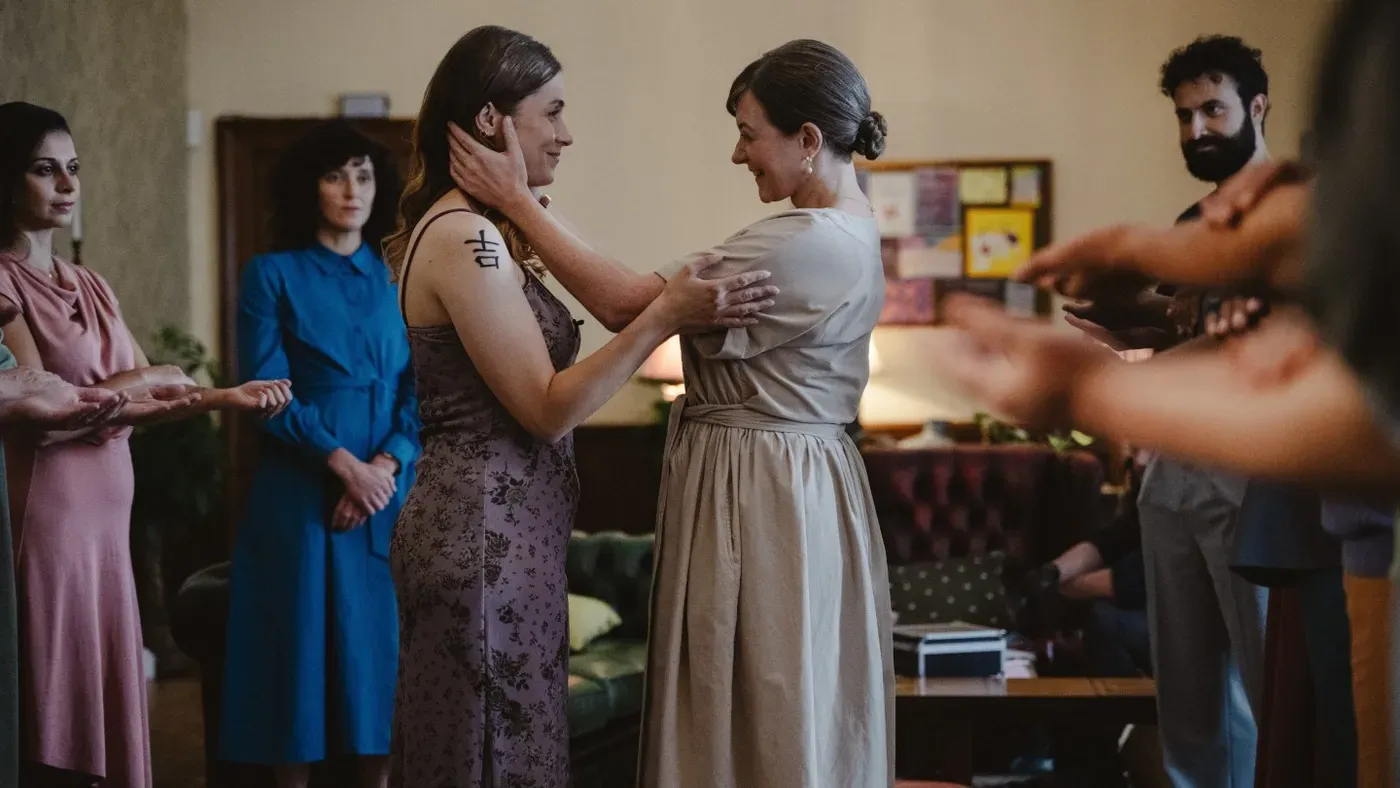
Finland's drag scene is being celebrated in a new documentary, Fruitcakes: Dawn of Drag, which will premiere at the Tallinn Black Nights Film Festival in Estonia later this year.
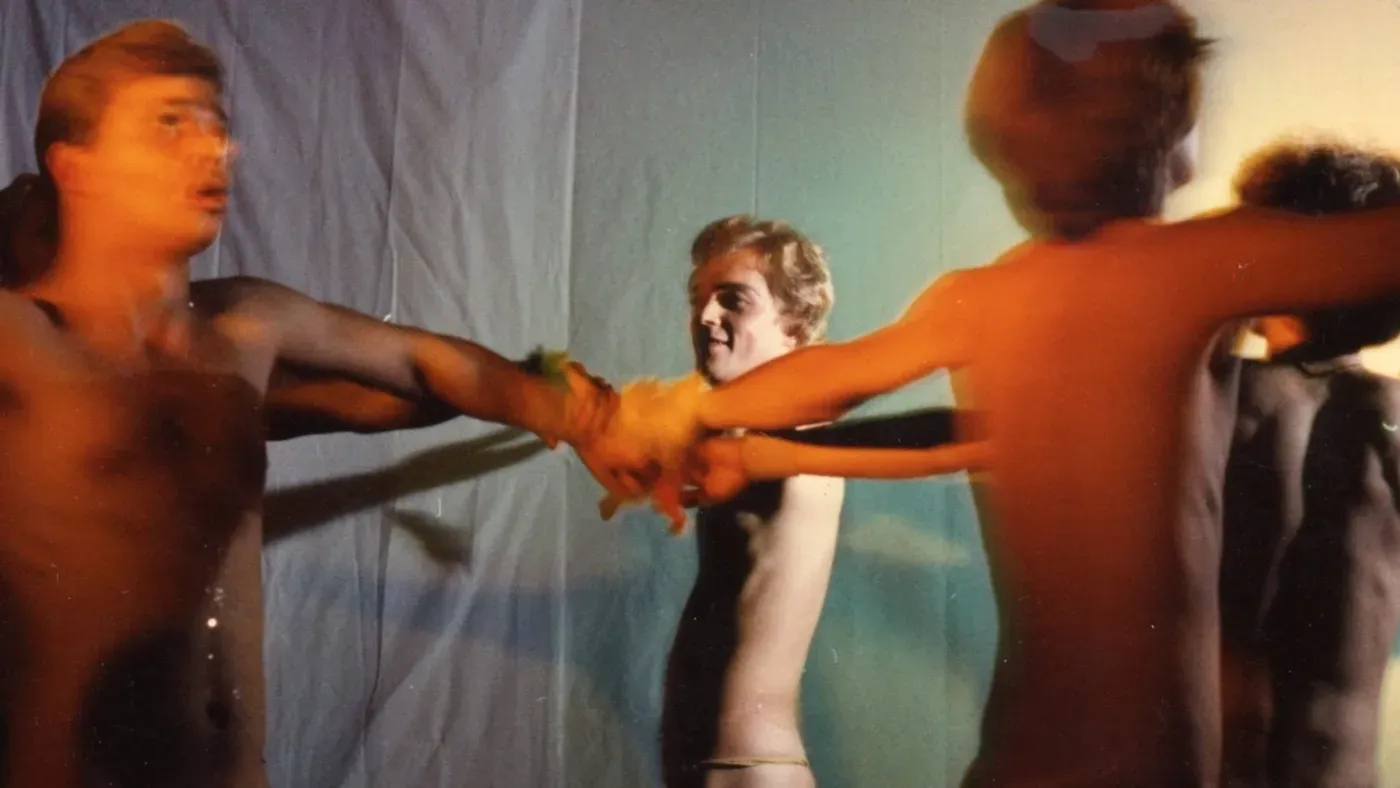
The film takes viewers back to the late 1970s when Finland's first drag show, Happy Gays, was born. This pioneering event drew large and enthusiastic crowds, featuring performers like Mummo, one of the country's first openly gay men. He was part of a group that included his close friend Jolanda.
The excitement of those early days is revisited in Fruitcakes: Dawn of Drag, but the film also acknowledges the darker side of history. The AIDS crisis brought fear and violence to the community, and the documentary touches on these difficult times.
Vesa Kuosmanen, a Finnish filmmaker known for Just Animals, has been inspired by the story of Happy Gays and the struggles faced by Finland's LGBTQ+ community in the past. His film offers a timely reminder of the importance of reclaiming history and celebrating progress made towards equality.
The world premiere of Fruitcakes: Dawn of Drag will take place during the 30th edition of the Tallinn Black Nights Film Festival, which is set to showcase exciting new films from around the globe.
The documentary Fruitcakes: Dawn of Drag has received access to a treasure trove of archival materials from Jolanda, a retired archivist who was close friends with the filmmaker. This cache of documents has provided valuable insights into the past, allowing Kuosmanen to weave together a comprehensive narrative about Happy Gays, a drag troupe that once thrilled audiences in Finland.
The film takes viewers on an emotional journey through the archive footage, new recordings, and re-enactments of Happy Gays' performances. These scenes evoke both joyous memories and painful recollections, offering a nuanced portrayal of the drag community's struggles and triumphs. The documentary also shines a light on Jolanda's more complex personality, revealing a multifaceted individual who is not just a nostalgic figure but also a passionate advocate for the drag culture.
Fruitcakes: Dawn of Drag has been carefully crafted by Kuosmanen in collaboration with editor Jussi Sandhu and cinematographer Mikko Kelloniemi. The film's visuals are complemented by a lively soundtrack, which perfectly captures the spirit of 1980s Finnish drag culture. Rise and Shine is handling world sales for the documentary, which they believe will resonate deeply with audiences worldwide.
Rise and Shine's Anja Dziersk notes that Fruitcakes: Dawn of Drag transcends its entertainment value to become a powerful commentary on the current state of queer life. As she observes, the film is much more than just an entertaining trip down memory lane, it's a masterpiece of Finnish humor with a very timely message. This sentiment is echoed in the documentary's title, Fruitcakes: Dawn of Drag, which reflects the filmmakers' intention to reclaim and reinterpret historical narratives.
A trailer for the documentary has been released, offering a glimpse into its vibrant colors and infectious rhythms. The world premiere of Fruitcakes: Dawn of Drag will take place on Saturday as part of Tallinn's Doc@PÖFF International Competition program.
The filmmaker behind Fruitcakes: Dawn of Drag drew inspiration from a pivotal moment in Finnish history when the country's ice hockey team won the world championship. This collective joy was short-lived, however, as news emerged of violence against people in the trans community.
This incident sparked an interest in what drives such anger and hostility towards those who are different. The filmmaker concluded that fear is a primary motivator behind these actions, fueling responses of anger and aggression.
The algorithm-driven world of social media has been criticized for amplifying anger and outrage, but the filmmaker believes this is merely a symptom of a deeper issue: the prevalence of fear in society. By understanding the root causes of fear, he hopes to shed light on the tragic story of Mummo's murder.
Gathering information about this event proved challenging, as if it had been deliberately erased from collective memory. The filmmaker struggled to find individuals who remembered and were willing to share their experiences.
Fortunately, a chance encounter with Jolanda led to access to valuable archives and documentation. This 70-year-old individual possessed an extensive collection of newspaper clippings and other records related to the case.
Jolanda's initial reluctance to participate in the film was palpable, but his dry wit and skeptical demeanor eventually won over the filmmaker. Despite refusing to use certain pronouns, Jolanda became a key figure in the documentary's research process.
The documentary's director, Kuosmanen, sought to create an authentic portrayal of the drag pioneers featured in the film.
In contrast to idealized heroes, Kuosmanen aimed to showcase flawed human beings who have made significant contributions to the drag scene.
To achieve this, the director had to get creative with the visuals, as there was limited footage available of the Happy Gay show.
A reenactment of the legendary show provided a framework for the film's narrative, which evolved organically from Kuosmanen's initial idea.
The meeting point between generations became a key aspect of the documentary, highlighting the differences in approach and expression between older and younger drag artists.
These interactions not only added depth to the film but also resonated with Kuosmanen on an emotional level.
The filmmaker's approach to depicting queer violence is deliberate, as he aims to avoid perpetuating a cycle of harm through his storytelling.
By not delving deeply into Jolanda's mother's murder, Kuosmanen avoids sensationalizing the tragedy and instead focuses on the emotional impact it has on the main character.
This decision also allows the film to maintain its celebratory tone, which is central to the director's vision. "For me, it's all about celebration amidst the most horrible things happening," he explains.
The contrast between sorrow and joy is a deliberate choice, as Kuosmanen seeks to show that even in the darkest moments, there can be beauty and happiness.
In choosing the title 'Fruitcakes', the filmmaker aimed to create a sense of playfulness and informality. He wanted a name that would nod to the past while also feeling contemporary.
The title is not just a reference to the film's content but also a statement about reclaiming history and language, with Kuosmanen highlighting the importance of self-definition in the queer community.
Facts based on reporting originally published by The Hollywood Reporter.
You may republish this story, in full or in part, if you credit Noti Group and link to it (licence CC BY 4.0). Photos are not included.