






GLP-1 receptor agonists linked to fingernail detachment and discoloration
Researchers have found a significant link between popular weight loss medications and an unexpected fingernail problem, with 39% of GLP-1 users reporting nail detachment.
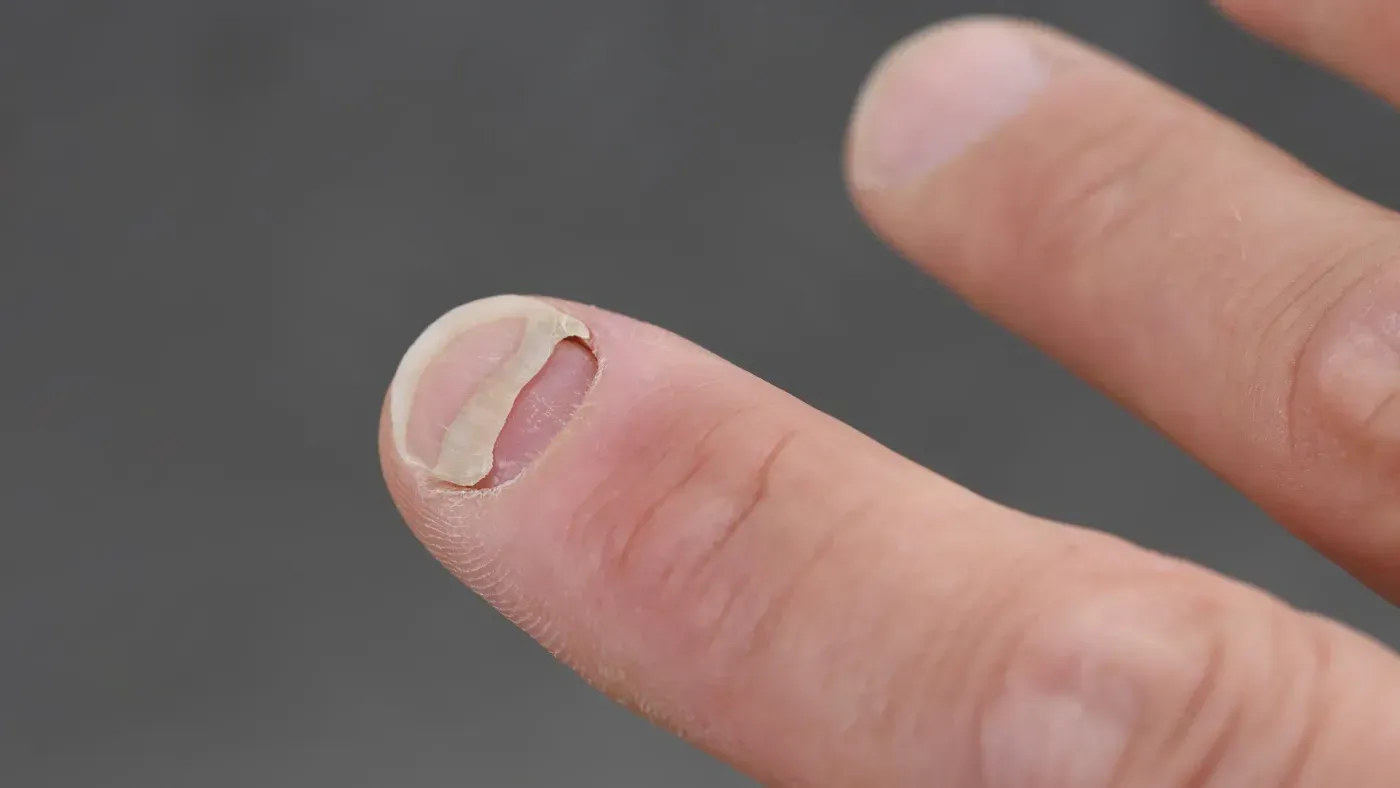
A significant link has been discovered between popular weight loss and diabetes medications and an unexpected fingernail problem. Researchers have found that individuals taking GLP-1 receptor agonists are more likely to experience nail detachment, a condition where the nail separates from its underlying skin.
The study, which involved a multinational group of participants, revealed that 39% of those taking these medications reported nail detachment, compared to just 9% among those who had never taken them. The researchers also found a notable increase in nail discoloration among GLP-1 users.
The findings were presented at the European Academy of Dermatology and Venereology Congress in 2026, marking the first controlled study on the potential relationship between these medications and nail health. This new information sheds light on an area that has previously been understudied.
GLP-1 receptor agonists have gained popularity as a treatment for obesity and type 2 diabetes due to their ability to regulate blood sugar levels and appetite. However, their impact on other bodily systems is still being explored by scientists.
As more people rely on these medications for weight management and metabolic health support, the potential consequences of GLP-1 treatment on nail health cannot be ignored. Further research will likely continue to investigate this link and provide a clearer understanding of the effects of these medications on the human body.
Researchers have been examining the link between popular weight loss medications and fingernail problems, with intriguing results.
In a study comparing users of these medications to individuals with type 2 diabetes and/or obesity who had never used them, a notable pattern emerged. A significant proportion of those taking GLP-1 medications reported experiencing nail disorders, which is a higher rate than among non-users.
The data showed that nearly two-thirds of GLP-1 users experienced at least one nail issue, whereas slightly more than half of the control group did so. Moreover, the prevalence of nail discoloration was significantly greater in users compared to non-users.
The study also looked into whether weight loss could be the underlying cause of these nail problems. However, even when accounting for participants who had experienced significant weight changes, GLP-1 users still reported a higher incidence of nail issues than those not taking the medications.
Researchers found that despite attempts to isolate the effects of weight loss, the link between GLP-1 medications and nail problems persisted. This suggests that there may be other factors at play in the development of these conditions.
The study found that individuals taking GLP-1 medications were more likely to experience nail problems, but researchers emphasize that their findings do not prove causation.
When comparing users and nonusers of GLP-1 medications, some differences in nail health remained even after accounting for existing skin conditions and nutritional deficiencies. Specifically, nail detachment and discoloration were approximately two to three times more common among GLP-1 users.
The unexpected findings extended beyond fingernails, with a companion study revealing significant differences in hair and scalp health among people taking GLP-1 medications.
Half of the individuals using GLP-1 medications reported unusual hair loss, compared to 34% of those not on these medications. Reduced hair volume or density was also substantially more common among users, affecting 42%.
Hair loss that began after treatment started was reported by 26% of GLP-1 medication users, compared with 12% of nonusers, making it significantly more prevalent in the medication group.
Hair loss and scalp inflammation may be more complex issues than previously thought in patients taking GLP-1 medications for weight loss.
The possibility of inflammation contributing to hair loss in these patients is raised by the presence of accompanying symptoms such as itchy or red scalps.
Study author Dr. Bruno Halioua suggests that the hair loss experienced by some patients may involve an inflammatory component, going beyond the typical shedding seen after rapid weight loss.
This theory implies that scalp inflammation is a common issue in these patients, which clinicians currently do not look for and may be treatable if addressed.
The researchers emphasize that while the symptoms are frequent, they are usually benign and should be reported to doctors rather than prompting individuals to stop their medication on their own initiative.
The study's findings suggest that patients taking GLP-1 medications are more likely to experience nail problems such as ridging, brittleness, or fragility.
To further investigate this association, researchers plan to conduct prospective studies that follow patients from the beginning of treatment and monitor their skin, hair, and nail health through regular examinations and biological tests.
These investigations aim to identify when nail changes first appear, what triggers them, and whether they persist over time or improve with continued treatment.
The research received support from a company specializing in dermatological products, which highlights the importance of interdisciplinary collaboration in understanding the complex interactions between medications and bodily systems.
Facts based on reporting originally published by ScienceDaily Health.
You may republish this story, in full or in part, if you credit Noti Group and link to it (licence CC BY 4.0). Photos are not included.