







Groundbreaking Discovery Could Potentially Reverse Some Effects of Aging in Mice
A team of scientists led by Lige Leng from Xiamen University in China made a groundbreaking discovery that could potentially reverse some effects of aging in mice, including improving memory, balance, bone mass, and skin thickness.
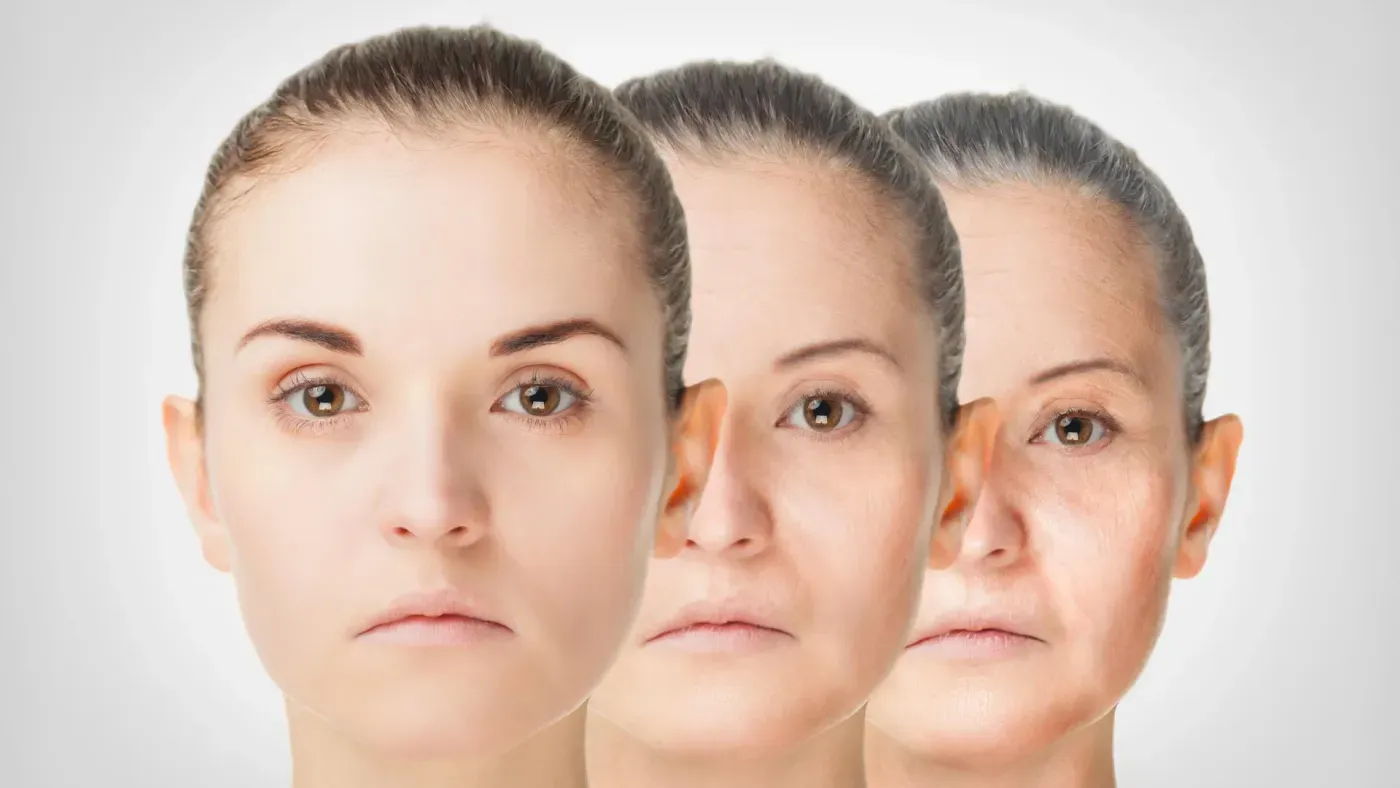
Researchers have made a groundbreaking discovery that could potentially reverse some of the effects of aging in mice. By restoring a protein called Menin deep within the brain, scientists were able to significantly improve memory, balance, bone mass, and skin thickness in just 30 days.
The study's findings, published earlier this year, suggest that the loss of Menin may be a key driver of aging-related changes. This possibility raises intriguing questions about the role of biological processes in the brain in regulating aging throughout the body.
A team of scientists led by Lige Leng from Xiamen University in China conducted extensive experiments to uncover the link between inflammation, brain chemistry, and aging. Their research identified a previously unknown connection that could have significant implications for our understanding of the aging process.
The research has shed light on the importance of the hypothalamus, a small but powerful region near the base of the brain. This area plays a crucial role in regulating essential functions such as body temperature, hunger, metabolism, sleep, and hormone production.
Changes in the hypothalamus can have far-reaching consequences throughout the body, affecting nearly every organ. The study's findings suggest that inflammation in the brain may play a significant role in this process, contributing to age-related deterioration.
Menin is a protein that helps restrain inflammation in the hypothalamus, allowing it to regulate gene activity and influence multiple biological pathways. Its importance in aging has only recently come to light, with some research hinting at its potential as a therapeutic target for age-related diseases.
The study's results have significant implications for our understanding of the aging process and its relationship to brain chemistry. Further research is needed to confirm these findings and explore their potential applications in humans.
While the study focused on mice, its findings raise important questions about the role of inflammation and Menin in regulating aging throughout the body. The discovery has sparked renewed interest in the brain's influence on aging and highlights the need for further investigation into this complex process.
As mice age, their hypothalamic neurons gradually lose a protective protein called Menin. This decline was observed to occur specifically in certain types of neurons, but not in other brain cells such as astrocytes or microglia.
To determine whether the loss of Menin contributes to aging, researchers created genetically modified mice that could selectively disable the protein. The results showed that mice with reduced Menin activity exhibited increased inflammation in the hypothalamus and developed characteristic signs of aging, including thinner skin and reduced bone mass.
The study's findings suggest that the decline of Menin does not merely accompany aging, but may actually drive several of its hallmark changes. This is a significant insight into the complex process of aging and highlights the potential importance of this protein in maintaining healthy function as we age.
To further investigate the relationship between Menin and aging, researchers used gene delivery to increase Menin production in the ventromedial hypothalamus of older mice. This region plays a critical role in coordinating metabolism and energy balance.
Just 30 days after treatment, significant improvements were observed in the treated animals. Their skin became thicker, bone mass increased, and cognitive performance improved on tests measuring learning, memory, and balance. Researchers also noted reductions in inflammation and improvements in certain metabolic changes associated with aging.
In a separate analysis, mice receiving the Menin treatment showed longer lifespans than untreated controls. These findings suggest that restoring Menin activity may have the potential to reverse some of the biological changes associated with old age.
The researchers have made a significant discovery about how Menin affects the body's biology as it ages. When they noticed that concentrations of D-serine, an amino acid involved in brain signaling, also fell when Menin levels declined.
D-serine is not just any ordinary amino acid; it plays a crucial role in regulating NMDA receptors on nerve cells, which are essential for communication between neurons, learning, and memory formation. This highlights the importance of D-serine in cognitive functions.
Interestingly, D-serine is closely related to L-serine, an amino acid found in various foods such as soybeans, eggs, fish, and nuts. However, consuming these foods does not provide the same benefits as taking the specific form of D-serine used in the experiments.
Further investigation revealed that Menin helps control the production of PHGDH, an enzyme involved in generating serine through a biochemical pathway regulated by Menin. When Menin activity decreased, this pathway became less active, reducing D-serine availability to the brain.
Restoring Menin levels increased D-serine concentrations in the hippocampus, a region vital for learning and memory. This connection suggested that cognitive effects of declining Menin might be partly explained by disruptions in D-serine signaling.
The researchers decided to test this idea directly by supplementing older mice with D-serine through their drinking water for three weeks. The results showed significant improvements in their performance on learning and memory tests, even without restoring Menin levels.
However, there was a notable distinction between the effects of Menin restoration and D-serine supplementation. While both improved cognitive function, only Menin restoration also restored physical signs of aging, such as bone mass and skin thickness.
The research team's findings have been reinforced by subsequent studies that shed more light on the intricate relationship between the brain and aging processes.
A study published in Cell Metabolism in 2024 identified a distinct group of hypothalamic neurons responsible for communicating with fat tissue. By maintaining or enhancing this communication pathway, researchers observed improvements in physical activity, age-related metabolic function, and extended lifespan in mice.
This discovery not only corroborated the initial findings but also underscored the pivotal role played by the hypothalamus in orchestrating aging across various bodily systems.
In another study published in the Journal of Physiology and Biochemistry in 2024, researchers explored the protective functions of Menin in cultured hippocampal cells. They discovered that increasing Menin levels helped safeguard these brain cells against inflammation and a form of programmed cell death triggered by exposure to corticosterone.
The results of this laboratory experiment provided valuable insights into Menin's role in maintaining neuronal health and supported its potential as an anti-aging agent.
A comprehensive analysis of approximately 1.2 million mouse brain cells published in Nature in January 2025 revealed a striking pattern of aging cell activity around the third ventricle, a fluid-filled cavity within the hypothalamus.
A recent study has shed light on a specific region of the hypothalamus where strengthening daily biological rhythms can have a profound impact on aging-related measurements and lifespan in male mice.
The researchers found that by targeting this particular area, they could improve several age-related indicators and even extend the animals' lifespans. This intervention also led to a reduction in estimates of biological age based on DNA methylation, which are chemical modifications to DNA that change with age as we get older.
Another study identified a protein called Mimecan that plays a crucial role in communication between skeletal muscles and the hypothalamus, as well as brown fat, a specialized tissue involved in generating body heat. Restoring circulating Mimecan levels in older mice was found to improve this communication and also extend their lifespan.
These discoveries suggest that aging is not simply the result of one master switch being turned off or on, but rather a complex interplay between multiple neural circuits, hormones, and metabolic signals. This intricate dance helps determine how age-related changes unfold in the body.
The possibility of using a simple amino acid to improve memory is an intriguing one, particularly when it comes to D-serine supplements. However, there is limited evidence that these supplements can reverse age-related cognitive decline in humans.
A small clinical trial conducted in 2016 tested D-serine in 50 healthy older adults and found some promising results. Participants who received the amino acid performed better on a spatial learning and problem-solving assessment than those who did not receive it, although this improvement was only seen in one of the cognitive tests administered.
These findings do not necessarily contradict previous research on D-serine's role in brain function, but rather suggest that its effects are more complex than initially thought.
The impact of D-serine signaling may depend on various factors, including the specific condition being studied, the timing and dosage of treatment, and the overall health of the individual. This nuance highlights the need for further investigation into the mechanisms underlying D-serine's influence on brain function.
One concern surrounding D-serine supplementation is its potential impact on kidney health in high doses. While this has been observed in animal studies, it remains unclear whether prolonged use would be safe or effective in preventing age-related memory loss in healthy individuals.
As researchers continue to explore the role of D-serine and Menin in brain aging, several key questions remain unanswered. For instance, what triggers the decline of Menin expression in the hypothalamus with age, and how reversible are its effects?
Ultimately, while the initial findings on D-serine offer promise, they should be viewed as an experimental approach rather than a proven treatment for brain aging.
Facts based on reporting originally published by ScienceDaily Health.
You may republish this story, in full or in part, if you credit Noti Group and link to it (licence CC BY 4.0). Photos are not included.