





Phage Therapy Breakthrough: Scientists Discover Key Mechanism of Bacterial Immunity
Researchers have made a major breakthrough in understanding how bacteria detect and respond to viral infections, which could lead to more effective phage therapies.
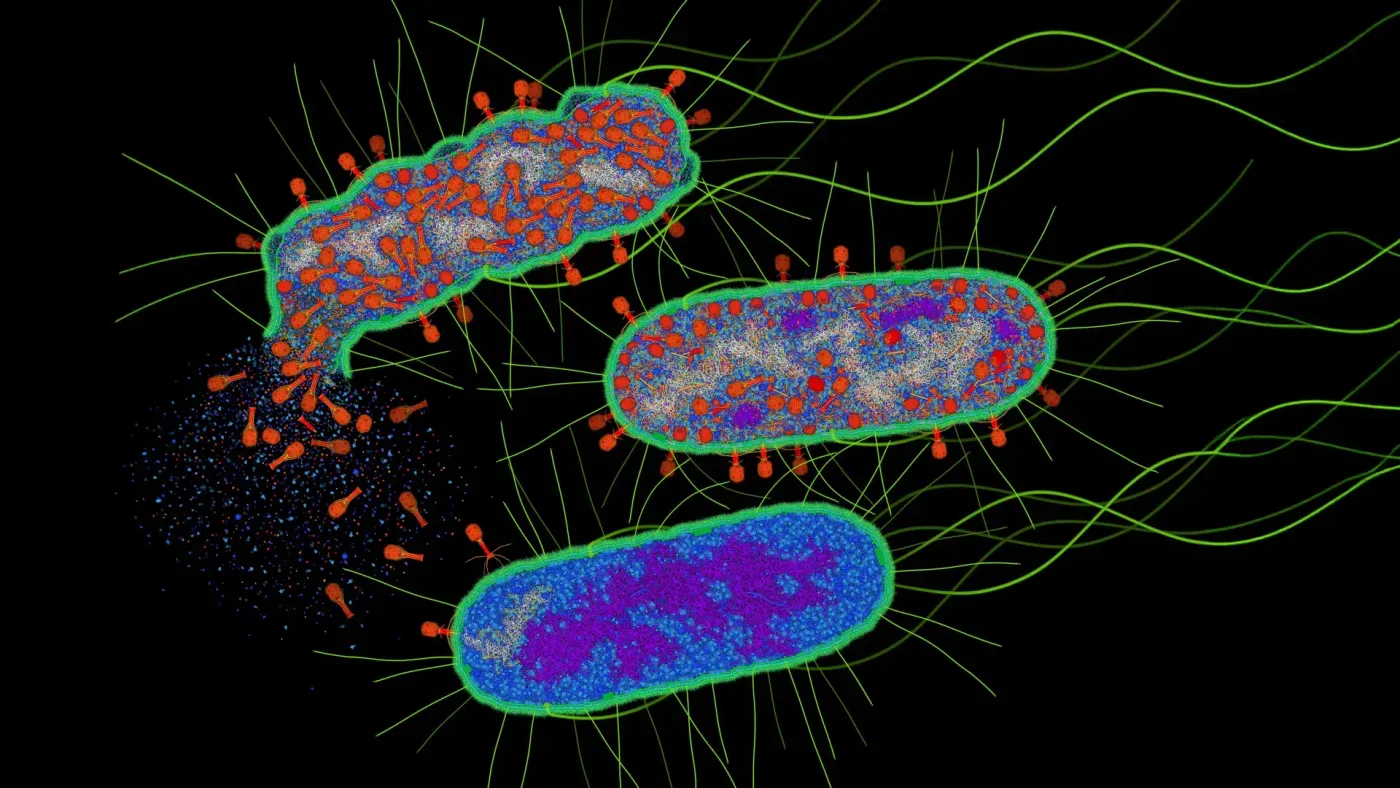
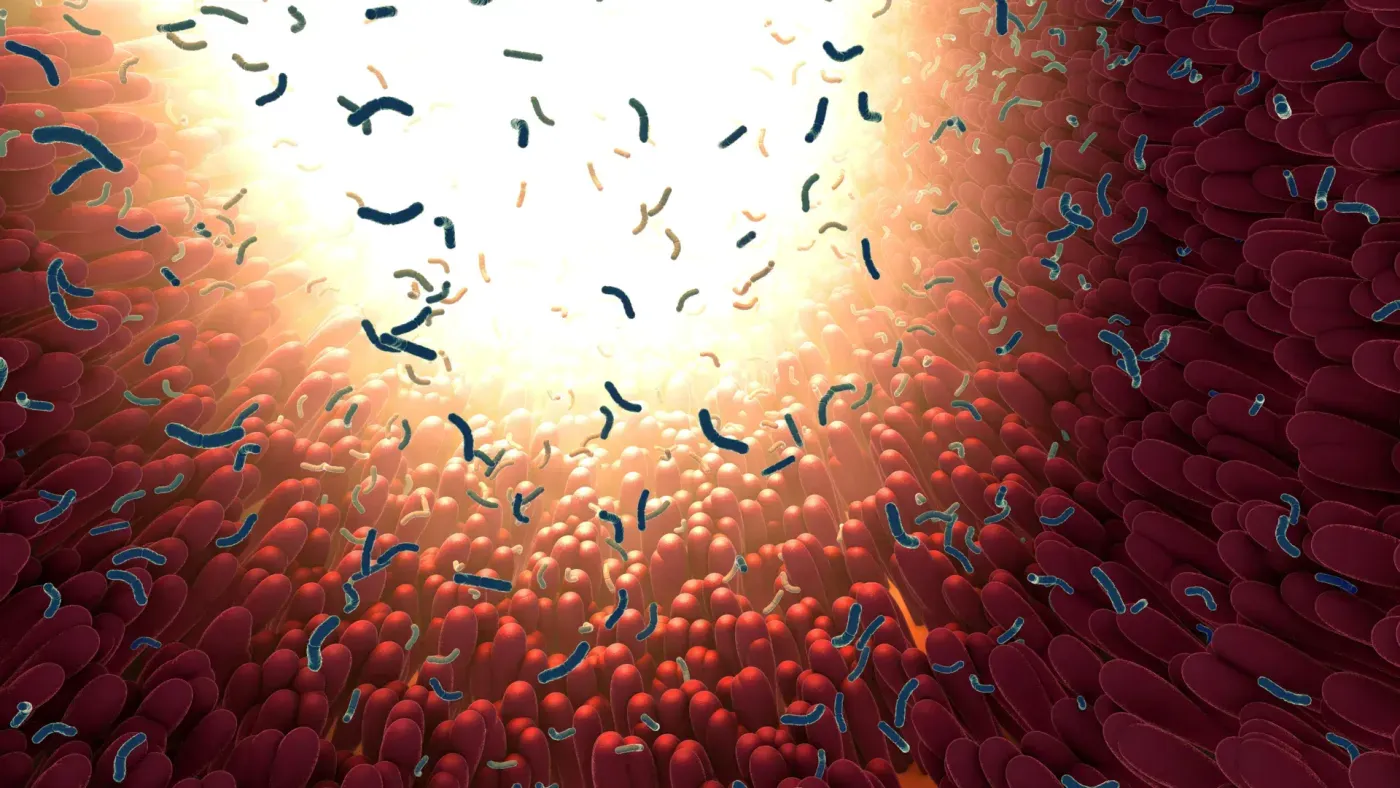
Researchers are exploring innovative ways to combat bacterial infections using viruses known as bacteriophages, or phages, which specifically target bacteria without harming human cells. This approach, called phage therapy, has shown promise in treating resistant bacteria that have developed defenses against antibiotics.
Phage therapy's effectiveness is hindered by the fact that bacteria are not defenseless against these viral attacks and possess their own immune systems. To overcome this challenge, scientists need to understand how bacteria recognize and respond to viral infections, a crucial step in developing therapeutic phages that can evade bacterial defenses.
Scientists have made significant progress in identifying key mechanisms of bacterial immunity. A recent study has shed light on one of the primary ways bacteria detect a viral attack: by sensing damage to specific molecules within their cells caused by viral enzymes.
The discovery was described as a major breakthrough by researchers, who say it could lead to more effective phage therapies capable of bypassing bacterial immune defenses and targeting resistant microbes. According to Dr Sam Hobbs, assistant professor of biochemistry at University of Utah Health, the finding marked a significant moment in understanding bacterial immunity.
The study on CBASS, a bacterial immune system, revealed an intricate defense mechanism against viral attacks.
When triggered, CBASS activates a last-resort response where the infected bacterium self-destructs before allowing the virus to spread.
To prevent unnecessary self-destruction, the system must accurately identify genuine viral threats with high precision.
This detection process relies on a signal generated by the virus itself, which is essential for the bacterial immune system's function.
The signal is produced by certain phages that release an enzyme called protease, which degrades other proteins and acts directly on host proteins.
The discovery of how bacteria defend themselves against phages has significant implications for understanding human immunity.
CBASS, an immune pathway found in humans, is linked to this bacterial defense mechanism, suggesting that it has been present across a vast evolutionary timeline. This connection indicates that the pathway dates back to the common ancestor shared by bacteria and humans, highlighting its fundamental importance in antiviral defense.
Bacteria offer researchers a unique experimental system for studying immunity due to their rapid life cycles. This allows scientists to quickly investigate immune processes and test their findings in biological models more closely related to humans, providing valuable insights into human immunity.
The fact that this pathway has been conserved between bacteria and humans over billions of years underscores its critical role in fighting viruses.
The research team's findings highlight a unique mechanism by which bacteria can turn a virus's own defense strategy against it.
This process involves a molecular pathway that allows bacteria to activate a protein called RIG-I, which is typically used by the body to recognize and respond to viral infections. The activation of RIG-I triggers an immune response in the host cells, ultimately leading to the destruction of the virus-infected cells. This discovery has significant implications for our understanding of how viruses interact with their hosts.
The fact that this pathway has been conserved between bacteria and humans over billions of years underscores its critical role in fighting viruses.
Facts based on reporting originally published by ScienceDaily Health.
You may republish this story, in full or in part, if you credit Noti Group and link to it (licence CC BY 4.0). Photos are not included.