







Scientists Discover Vast Differences in Brain Activity Among People with Depression
Researchers at the University of Helsinki conducted an extensive study on brain activity patterns in individuals diagnosed with major depressive disorder.
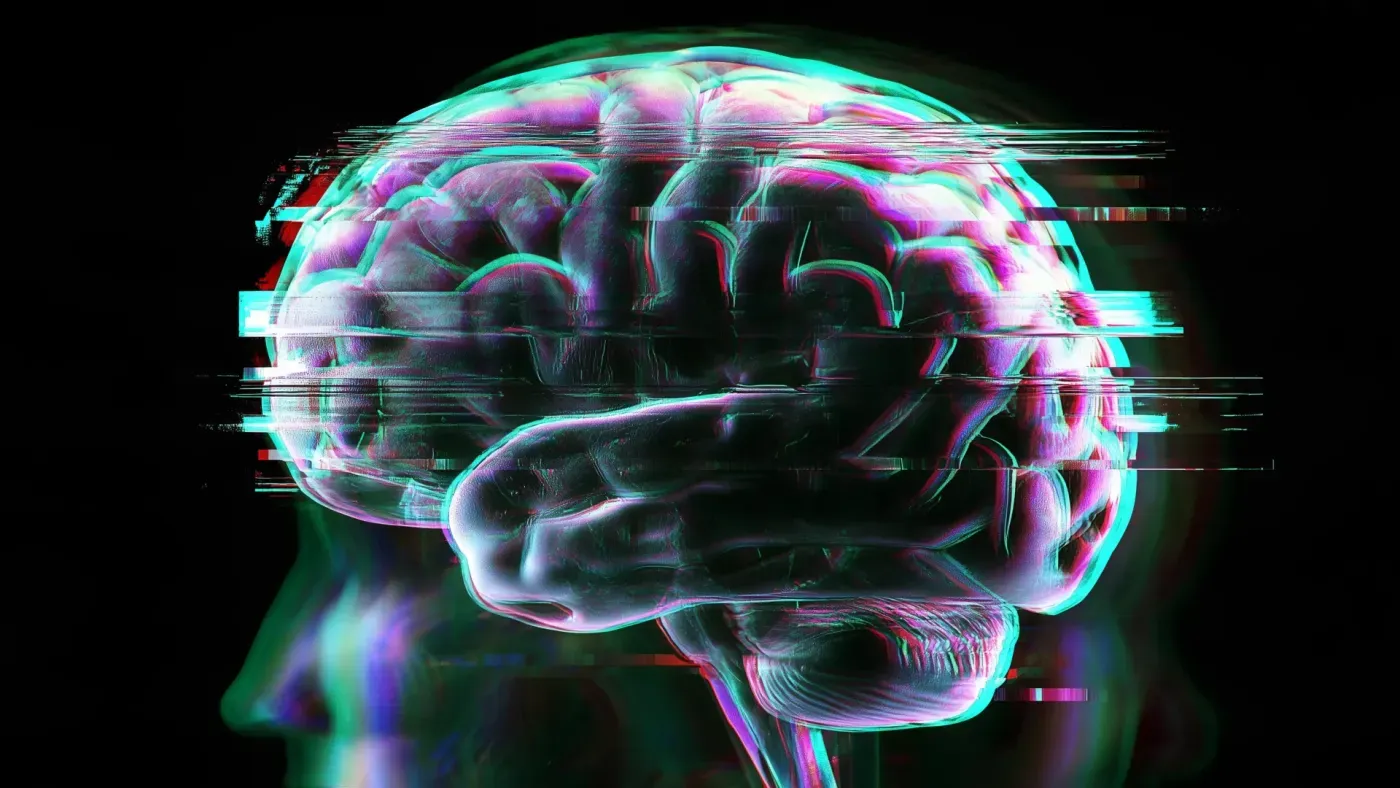
Scientists have made a groundbreaking discovery about the complex nature of depression, revealing that people diagnosed with the condition can exhibit vastly different symptoms and underlying brain patterns.
While one person might experience persistent anxiety and repetitive negative thoughts, another may struggle with trauma-related symptoms or substance abuse, highlighting the diverse ways in which depression can manifest.
Researchers at the University of Helsinki conducted an extensive study to investigate this phenomenon and uncovered a striking finding: individuals with the same diagnosis can have dramatically different patterns of brain activity.
Depression is a significant global health concern, affecting approximately 332 million adults worldwide, according to the World Health Organization's projections for 2025. In Finland, it is the leading cause of both extended sick leave and disability pensions.
The study analyzed brain activity in 263 individuals diagnosed with major depressive disorder and 75 healthy participants who served as a comparison group, revealing five distinct groups based on differences in functional connectivity.
Brain activity patterns in individuals with major depressive disorder have been found to vary significantly, even among those with the same diagnosis. Some participants showed stronger than usual connections between brain regions, while others exhibited weaker connectivity.
These differences were linked to specific symptoms and co-occurring conditions. For instance, one group displayed robust connections between brain areas alongside a higher incidence of substance abuse problems. Another group had weaker connections and more pronounced post-traumatic stress disorder (PTSD) symptoms.
The contrasting results may help clarify the discrepancies in earlier studies that examined the brains of people with depression. Different research groups studying various combinations of patients might observe distinct patterns, despite all participants receiving the same diagnosis.
The study's findings contribute to a growing understanding that depression may not have a single, consistent biological signature. Instead, it could involve multiple distinct patterns of brain function, each associated with unique symptom profiles and co-occurring conditions.
Research into depression has long suggested that it's not a single condition, but rather a complex mix of symptoms and underlying patterns of brain function. A new study has shed more light on this idea by identifying five distinct brain patterns associated with different symptom profiles.
The first group showed strong connectivity between brain regions, which was linked to severe symptoms across multiple areas, including depression, anxiety, rumination, and daily functioning issues. Rumination is characterized by repeatedly dwelling on distressing thoughts or negative experiences. Participants in this group typically experienced a high level of impairment.
In contrast, the second group exhibited weaker communication between brain regions, resulting in milder symptoms overall. This suggests that reduced connectivity may be associated with less severe forms of depression.
The third group was marked by widespread weak connectivity across substantial portions of the brain. Symptoms related to post-traumatic stress disorder (PTSD) were particularly prevalent among these individuals.
The fourth profile combined unusually strong connections in some brain regions with weaker ones, leading to more severe depression, substance abuse problems, and lower overall well-being for participants.
The use of magnetoencephalography (MEG) allowed scientists to capture the nuances of brain activity in individuals with depression and healthy controls with unprecedented precision. This non-invasive technique detects extremely faint magnetic fields produced by electrical activity in the brain, providing a unique window into how different regions communicate.
Unlike slower-measurement techniques that track changes associated with brain activity, MEG can follow electrical signals as they unfold over short periods, making it an ideal tool for investigating the timing and coordination of communication between brain regions. By leveraging this technology, researchers were able to record brain activity in all 263 participants with depression and 75 healthy control subjects.
The high level of temporal precision afforded by MEG enabled the team to examine rapid changes in brain activity that might be difficult to distinguish using slower measurement techniques. This allowed them to identify differences not only in the strength of connectivity between brain regions but also in the frequencies at which they appeared to work together, offering new insights into the neural underpinnings of depression.
The ability to monitor electrical brain activity with millisecond precision has been instrumental in helping scientists understand what happens in the brain during episodes of depression. According to lead researcher Palva, this level of detail has allowed them to get closer to understanding the actual mechanisms driving depressive phenotypes.
The discovery of five hidden brain patterns behind depression has significant implications for mental health care. Researchers believe that these unique profiles could one day be used to select treatments tailored to an individual's specific brain activity.
Currently, finding effective treatment for depression can involve a trial-and-error approach, with patients responding differently to the same medication or therapy. This makes it challenging for doctors to determine the most suitable approach for each patient.
The researchers emphasize that their findings are not yet ready for clinical use but offer a promising direction for future study. They note that brain activity measurements could eventually provide valuable information to guide treatment decisions, helping patients receive more targeted care.
A key long-term goal is to understand how specific symptoms relate to the functioning of brain networks. By connecting these biological patterns with patient experiences, researchers aim to develop more precise ways to identify and characterize depression, leading to better treatment outcomes.
Researchers from the University of Helsinki collaborated with Aalto University and the Helsinki and Uusimaa Hospital District (HUS) to uncover new insights into depression.
By analyzing complex biological patterns in brain activity, scientists have made significant progress in understanding the underlying mechanisms of this condition. This breakthrough has far-reaching implications for developing more effective treatments and therapies for individuals struggling with depression. Ultimately, these findings will contribute to a deeper comprehension of mental health, paving the way for improved patient outcomes.
Facts based on reporting originally published by ScienceDaily Health.
You may republish this story, in full or in part, if you credit Noti Group and link to it (licence CC BY 4.0). Photos are not included.