








New Mathematical Model Tracks Food Digestion and Calorie Absorption
A new mathematical model, known as DAMM (digestion, absorption, and microbial metabolism), tracks how food moves through the digestive tract and estimates which products of digestion are absorbed by the body.
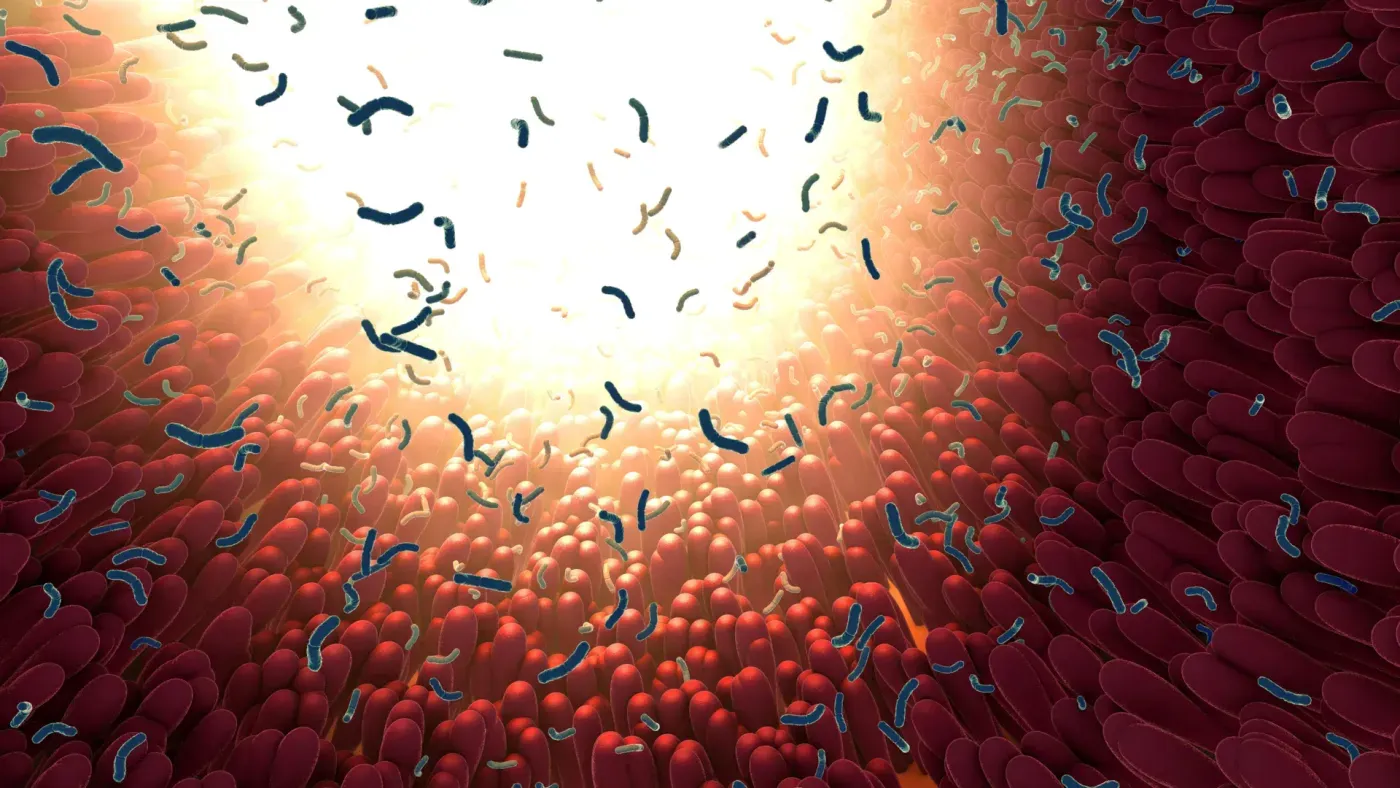
A new mathematical model has been developed to explore the complex relationship between food digestion, gut bacteria, and calorie absorption. The model, known as DAMM (digestion, absorption, and microbial metabolism), tracks how food moves through the digestive tract and estimates which products of digestion are absorbed by the body.
DAMM is the result of research conducted by scientists at Arizona State University, who aimed to better understand the often-overlooked role of gut bacteria in digestion. By accounting for the interactions between diet, human digestion, and microbial activity, the model provides a more accurate picture of how calories are absorbed by the body.
The researchers behind DAMM hope that their work will shed light on the causes of metabolic disorders such as obesity and diabetes. They believe that understanding the complex relationships between diet, gut bacteria, and calorie absorption could lead to more effective treatments for these conditions.
According to Professor Rosa Krajmalnik-Brown, a key figure in the development of DAMM, digestion is not solely a human process but rather a collaboration between the body and trillions of microbes living in the gut. The model provides a powerful tool for quantifying the contribution of gut bacteria to human health and energy balance.
DAMM has been developed by researchers at ASU's Biodesign Center for Health Through Microbiomes, which is led by Krajmalnik-Brown. As a professor in the university's School of Sustainable Engineering and the Built Environment, she brings her expertise in microbiome research to the project.
The development of DAMM marks an important step towards creating personalized diets tailored to individual patients' needs. By taking into account the unique characteristics of each person's gut bacteria, healthcare professionals may be able to design more effective treatment plans for metabolic disorders.
The research team behind this study was a collaborative effort involving experts from Arizona State University and the AdventHealth Translational Research Institute in Orlando, Florida.
A fundamental aspect of nutrition science for over a century has been the use of Atwater parameters to estimate energy availability from food. This system assigns average calorie values to fat, carbohydrates, and protein, and then calculates total available energy based on these assigned values.
However, this traditional approach falls short in several key areas. It fails to account for how different foods support gut bacteria and influence their transformation of undigested material into usable energy sources.
Short-chain fatty acids are a critical example of the complexities overlooked by Atwater parameters. These compounds arise when microbes in the colon break down fiber and other food components that bypass absorption in the upper digestive tract, potentially entering the bloodstream as additional calories.
The researchers drew on an earlier controlled diet study to gain insight into how the gut microbiome affects human energy balance. This vast community of bacteria and microorganisms inhabiting the digestive system plays a pivotal role in nutrient processing and energy production.
A high-fiber diet was found to result in significantly fewer calories being absorbed per day, with a notable reduction of 116 calories compared to other diets.
A high-fiber diet was found to result in significantly fewer calories being absorbed per day, with a notable reduction of 116 calories compared to other diets. This significant difference highlights the impact that dietary composition can have on energy absorption.
The study involved healthy adults who followed one of two carefully designed eating plans. One plan included substantial amounts of fiber and resistant starch, which is a type of carbohydrate that escapes much of the usual digestion in the small intestine. This allows it to reach the colon, where microbes can break it down.
In contrast, the other eating plan resembled a typical Western diet, with lower amounts of fiber and resistant starch. Participants on this diet absorbed approximately 116 more calories per day than those consuming the fiber-rich diet.
Interestingly, despite absorbing fewer calories, individuals following the higher-fiber eating plan did not report feeling hungrier. This could indicate that the gut microbiome plays a significant role in regulating hunger and satiety.
The findings suggest that the amount of energy people obtain from food is influenced by its composition and how it moves through the digestive system. Factors such as food processing, fiber content, and microbial activity can all impact the final outcome.
Researchers have developed a model called DAMM to better understand this complex process. This model links human metabolism to the metabolism of microorganisms in the colon, providing fundamental insight into the partnership between the gut microbiome and its host.
The model takes into consideration the protein, carbohydrate, and fat content of a person's diet to estimate how much usable energy is absorbed in the upper gastrointestinal tract.
As food passes through the digestive system, some nutrients are broken down earlier, but others escape digestion until they reach the colon. Here, gut microbes step in, breaking down these remaining nutrients into compounds like short-chain fatty acids that can be absorbed by the body and used as an additional source of energy.
The model also accounts for methane production by certain microorganisms called methanogens, which generate methane as part of their metabolic process.
Short-chain fatty acids produced in the colon contribute significantly to the body's energy supply. According to calculations, these compounds provide approximately 140 calories per day on average, representing around 7.4% of the total usable energy obtained from food.
The distribution of energy absorption across different parts of the digestive system is an important finding. The model suggests that roughly 85% of usable energy comes from the upper gastrointestinal tract, while about 15% originates in the lower gastrointestinal tract, where microbial processes play a crucial role.
These results underscore why traditional calorie calculations may not provide a complete picture of human digestion. A substantial proportion of the body's energy is influenced by microbial metabolism, which conventional food-label calculations do not explicitly measure, highlighting the need for more comprehensive approaches to understanding nutrition and energy absorption.
The microbiome-enhancer diet provided an abundance of fiber and other fermentable materials to the colon, giving gut microbes a wealth of substances to break down into short-chain fatty acids.
These increased levels of short-chain fatty acids were accurately predicted by DAMM, aligning with observations made in a controlled clinical trial. Participants on the microbiome-enhancer diet had higher concentrations of these compounds in their blood serum and feces compared to those following other diets.
The significance of short-chain fatty acids lies in their role as intermediaries between microbial activity and human metabolism. Gut bacteria can convert food components that would otherwise pass through the digestive system into molecules usable by the body for energy production.
However, an increase in short-chain fatty acid production does not necessarily translate to a higher overall calorie absorption rate.
Participants on the microbiome-enhancer diet actually absorbed fewer net calories than those consuming the Western diet, despite the greater microbial activity and increased production of these compounds.
The apparent contradiction between these findings can be resolved by examining the different stages of digestion separately, distinguishing between the energy generated from food in the upper digestive tract and that produced by gut microbes.
A deeper understanding of how gut bacteria influence calorie absorption could lead to more effective nutrition plans for preventing or managing metabolic conditions.
This breakthrough is made possible by a new mathematical model that accounts for the complex interactions between food nutrients and the microbes in an individual's digestive system. While still in its early stages, the approach may eventually help scientists understand how diet impacts obesity and diabetes.
Further research will be necessary to refine the model and determine its effectiveness across various populations, eating habits, and gut microbiome compositions. The model's potential for growth and evolution is also a key aspect of its development.
The researchers emphasize that their model is not just a tool for characterizing diets, but rather a dynamic framework designed to incorporate new discoveries as they emerge. This approach will enable the model to adapt and improve over time.
As scientists continue to unravel the intricacies of gut microbiome function, this model has the potential to become a powerful tool in nutrition research, ultimately leading to more personalized and effective dietary recommendations.
Facts based on reporting originally published by ScienceDaily Health.
You may republish this story, in full or in part, if you credit Noti Group and link to it (licence CC BY 4.0). Photos are not included.