





US Midterm Elections: Republicans Suffer Surprise Defeat
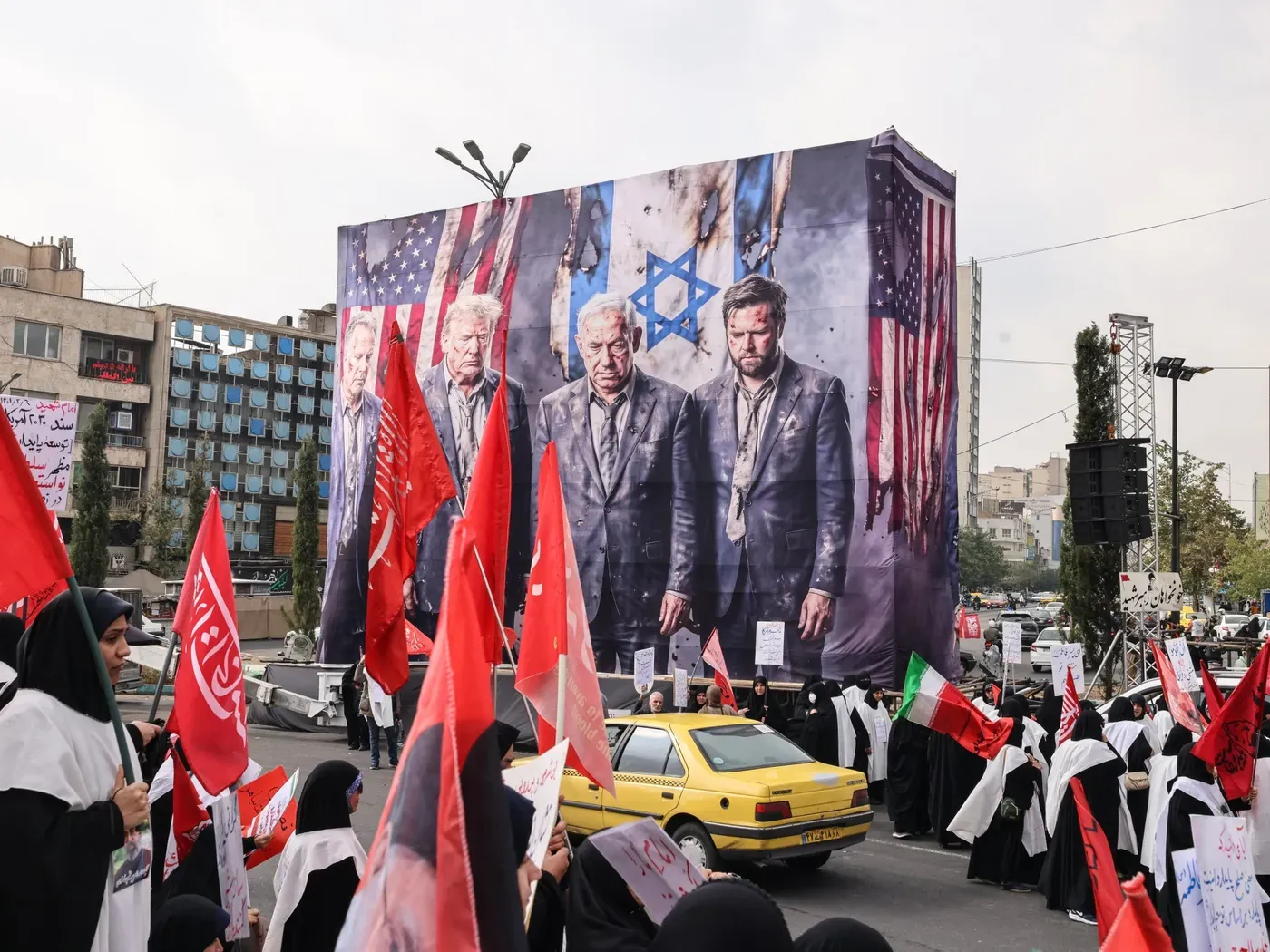
The Republican Party's surprise defeat in Tuesday's midterm elections has left many questioning President Donald Trump's decision to launch a war on Iran alongside Israel in February. The...
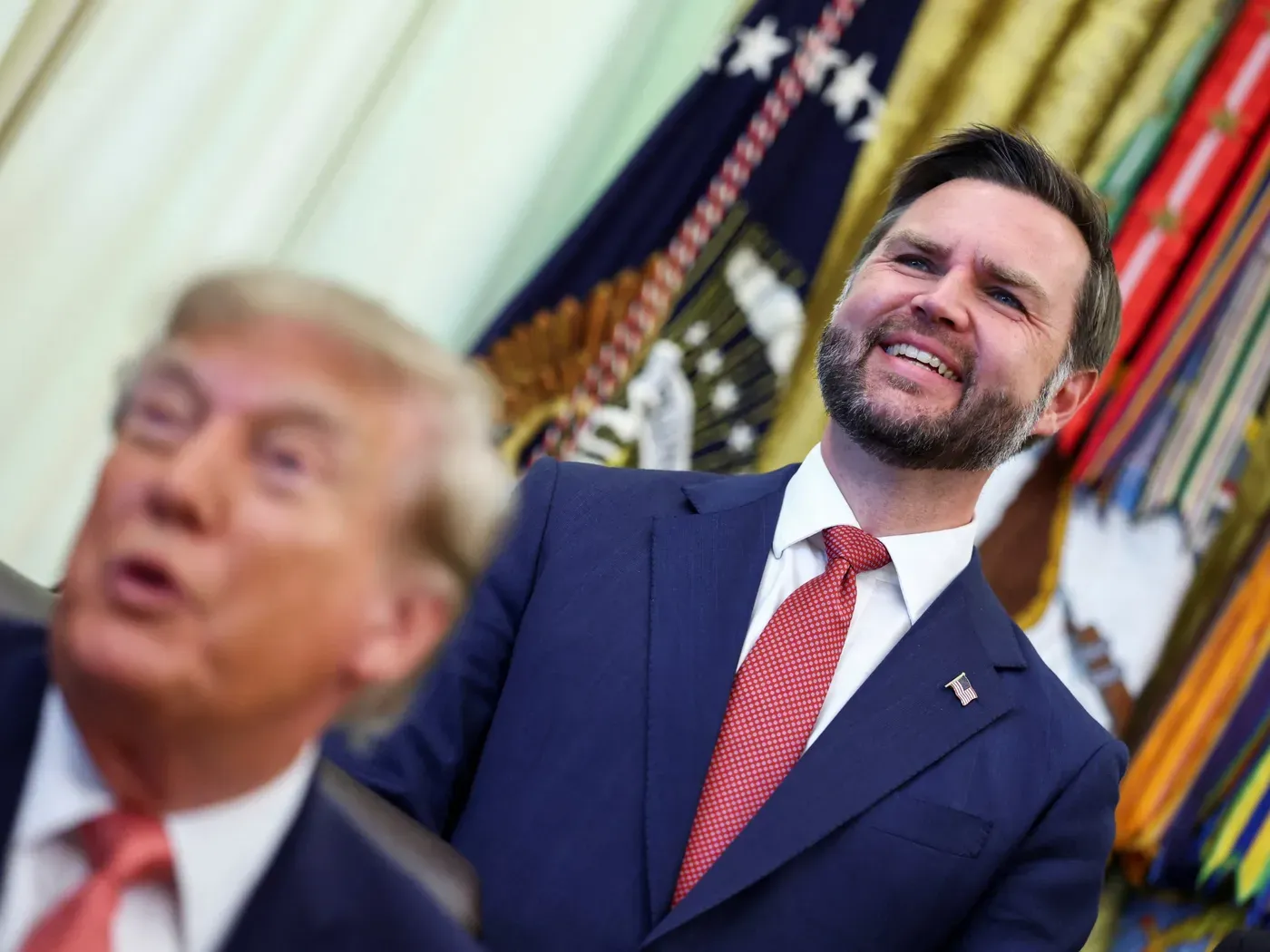
The Republican Party's surprise defeat in Tuesday's midterm elections has left many questioning President Donald Trump's decision to launch a war on Iran alongside Israel in February. The devastating loss saw Democrats seize control of both chambers of Congress.
Vice President JD Vance has publicly blamed the war for the party's defeat, echoing comments made by President Trump himself. In a post on X, Vance wrote that the conflict was the primary reason for the Republican Party's downfall. This is a stark departure from the administration's previous stance on the matter.
Senator Ted Cruz, a vocal supporter of the war, has also begun to distance himself from the conflict. On his podcast, Cruz stated that the war should have been "brief, decisive, and over" by now. His comments suggest that even some of Trump's most ardent allies are reevaluating their stance on the war.
President Trump remains resolute in his support for the war, telling The Wall Street Journal that he has no regrets about launching it. He expressed confidence that his decision was the right one and would have made the same choice again given the opportunity.
As the US continues to grapple with the aftermath of its involvement in the Iran war, there is a growing sense among some of Trump's allies that their stance on the conflict may have been misguided.
A senior pollster has revealed that ending the war and re-evaluating Washington's relationship with Israel were key concerns for voters who had previously backed Trump but now plan to support Democratic candidates in this year's midterms.
Some lawmakers, including Cruz, are taking a more critical stance on the war effort, arguing that it has dragged on for too long. The senator took to X to express his discontent, stating that Washington should never provide financial aid to Iran under any circumstances.
Cruz was likely referring to a contentious aspect of the June agreement between Washington and Tehran, which included a $300 billion fund aimed at rebuilding post-war Iran as part of wider peace talks. However, this proposal sparked significant pushback from conservative lawmakers who saw it as a massive payout for the Iranian regime.
The proposed fund was just one of several topics discussed in the June memorandum of understanding, which had initially provided for a ceasefire but ultimately fell apart.
The aftermath of the US decision to attack Iran is having a ripple effect on the Republican Party's future prospects. Major internal divisions are emerging within the party over the war, posing significant challenges for those seeking to succeed Donald Trump in 2028.
According to experts, the global fuel crisis triggered by the closure of the Strait of Hormuz has resulted in substantial financial losses for the US taxpayer, estimated at $47bn so far. This has created a difficult situation for candidates who must distance themselves from the war if they hope to win. The party's internal divisions are further complicated by the fact that some prominent Republicans had long advocated for a war on Iran.
Professor Paul Musgrave of Georgetown University in Qatar notes that hawks such as Senator Ted Cruz and late Senator Lindsey Graham have found themselves in an awkward position, having pushed for the war but now facing its disastrous consequences. They can no longer simply walk away from their stance, and are instead limited to criticizing the length and execution of the conflict.
In contrast, candidates like Matt Gaetz are attempting to represent a more isolationist wing of the Republican Party, which is willing to distance itself from the war in order to appeal to a broader base. This strategy is part of a larger effort to position themselves for 2028 and shape the future of the party.
The implications of the Iran war on the Republican Party's prospects are being felt even more broadly, with experts pointing out that the conflict was just one factor contributing to the party's defeat in Congress. Other key issues, such as energy prices, healthcare, and corruption, also played a significant role in shaping voter sentiment.
The US Congress has been exploring ways to limit funding for the ongoing conflict with Iran, a move that could potentially bring an end to the war.
Senate Democratic Leader Chuck Schumer emphasized the importance of Congress's control over the purse strings in deterring a president from engaging in military action without public consent.
Congressman Ro Khanna proposed a continuing resolution that would prohibit financing any combat activities by the US military in Iran, effectively ending the war as it was brought to an end for Vietnam.
The defence budget and an extension of the debt limit will both require bipartisan support to pass, according to Feehery, highlighting the need for cooperation between parties to address these pressing issues.
Official hearings and investigations could also make the war unpopular and put pressure on key players involved in the conflict, including Secretary of Defense Pete Hegseth, who is facing criticism from both sides of the aisle.
The defeat of Congress in the recent vote has sparked concerns among Trump's allies that they may be distancing themselves from any potential war with Iran.
However, even as diplomatic efforts continue through Qatar-led mediated talks, there are indications that the situation is escalating. US forces have carried out a new attack on Iran's Qeshm Island in the Strait of Hormuz, just days after the election.
This latest development comes as officials reveal that the military had prepared for further strikes to begin as early as Wednesday, when three US aircraft carriers would be in the region. The strikes are being described as "defensive" by US officials, but their timing has raised eyebrows amidst ongoing diplomatic efforts.
Analysts warn that Trump may see an opportunity to escalate the crisis now that the midterms are behind him and Democrats won't take power until 2027. This could potentially lead to a more aggressive stance towards Tehran in the coming months.
Tehran has vowed to retaliate against any US military action, a stark reminder of the high stakes in the escalating tensions between Washington and Tehran.
The Iranian government remains committed to diplomatic negotiations despite the latest developments, but its conditions for reopening the Strait of Hormuz have been met with skepticism by Iran's leaders. Meanwhile, efforts by Qatar to mediate the conflict are being hampered by Israel's reluctance to compromise on key issues.
Facts based on reporting originally published by Al Jazeera.
You may republish this story, in full or in part, if you credit Noti Group and link to it (licence CC BY 4.0). Photos are not included.