







Protein Drinks Emerge as Weight-Loss Trend Continues
The trend of high-protein products has led to the creation of new items on store shelves, including drinks that combine protein with other ingredients like coffee or smoothie mixes.
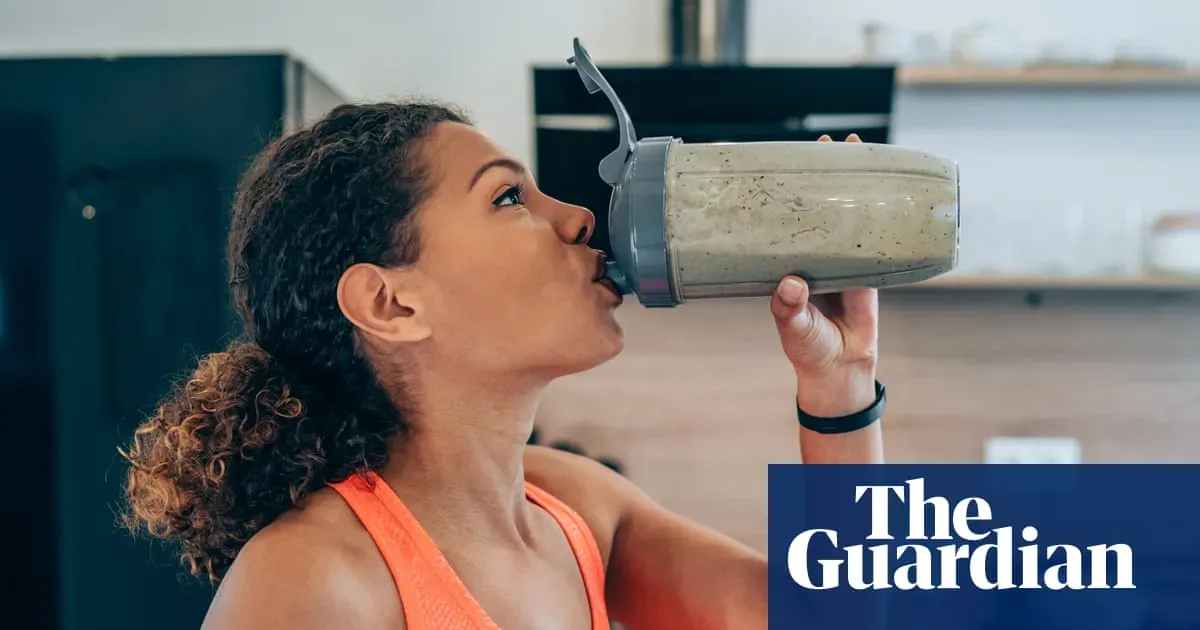
Protein drinks are popping up everywhere, from iced coffee to smoothies, sodas, and even beer. This trend has been linked to the growing popularity of weight-loss drugs, but it's not just athletes who are turning to these products - they're being marketed at everyone.
According to health experts, most adults need about 0.75g protein for every kilogram of body weight per day, which can be achieved through a balanced diet that includes foods like nuts, pulses, and eggs. However, some people may choose to supplement their diets with protein powders, especially if they engage in intense physical activity.
The rise of high-protein products has led to the creation of new items on store shelves, including drinks that combine protein with other ingredients like coffee or smoothie mixes. But not everyone needs these enhanced products - most adults can get enough protein from their regular diet without resorting to supplements.
In fact, many experts argue that relying too heavily on protein powders and drinks can be counterproductive, especially if it means sacrificing whole foods in the process. A balanced diet is still the best way to meet nutritional needs, rather than turning to convenience products that may not provide the same benefits.
The trend towards high-protein products has also led to some unusual innovations, such as protein beer. In Brazil, the world's largest brewer, AB InBev, recently announced a pilot program for an alcohol-free beer that contains 10g of protein per can, which is made up of hydrolysed whey protein and hydrolysed collagen.
The UK market has seen some niche products emerge in recent years, including Lifted, a brand marketed at athletes and bodybuilders who want to boost their iron levels with a protein-enhanced beer that contains 10g of pea protein per can.
High-protein beverages often rely on sweet-tasting ingredients like stevia, sucralose, or agave nectar to mask their flavor profiles. This approach raises questions about whether these products are genuinely promoting healthy habits or simply catering to consumers' sweet tooth.
The protein sources used in these drinks vary widely. Naked's smoothies and Feisty, a premium protein soda, utilize hydrolysed pea protein, which involves breaking down pea protein powder into smaller peptides through the process of hydrolysis. This is intended to avoid the unpleasant texture associated with traditional protein shakes.
Vieve's protein waters, on the other hand, contain a unique collagen protein peptide formula that is claimed to be rapidly digested by the body. In contrast, Perfect Ted's Matcha Protein Latte relies on milk powder as its primary source of protein. This diversity in protein sources reflects the complexity and variability of modern high-protein beverages.
The use of highly processed ingredients in these drinks has left me seeking out more natural sources of protein like nuts, pulses, and eggs. Even 10am wine tastings seem more appealing than some of the thick, heavily formulated protein drinks on offer.
These products often prioritize novelty over nutritional value, with many relying on trendy buzzwords to market their health benefits. As a result, consumers may be left wondering whether these high-protein beverages truly deliver on their promises or simply serve as a convenient way to satisfy sweet cravings.
The high-protein beverage market offers a range of options, but their taste and quality vary significantly. Naked Machine's Protein Pineapple and Mango drink, priced at £4.50 for 750ml, has a thickened consistency that may not appeal to everyone.
Vieve's Watermelon Protein Water stands out as the most thirst-quenching option, despite its extremely sweet flavor, which is available at Holland & Barrett for £2.59 per 500ml bottle. In contrast, Perfect Ted's Protein Matcha Latte White Chocolate has a high sugar content and an unpleasant taste, with 18g of protein in every 250ml serving sold at Tesco for £2.40.
Facts based on reporting originally published by The Guardian Life and Style.
You may republish this story, in full or in part, if you credit Noti Group and link to it (licence CC BY 4.0). Photos are not included.