






Bomb Threats Force Emergency Landings Across Europe
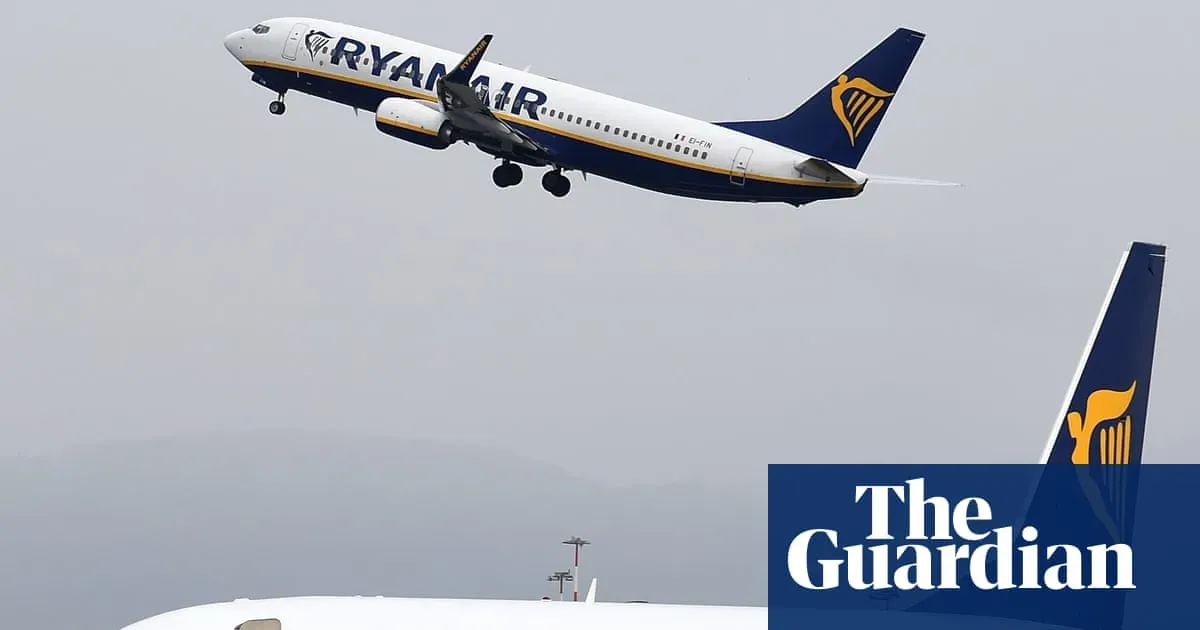
At least 15 flights across Europe were forced into emergency landings or diversions on Thursday morning due to bomb threats.

At least 15 flights across Europe were forced into emergency landings or diversions on Thursday morning due to bomb threats, raising concerns about a possible coordinated effort to disrupt air travel.
The affected flights originated from various countries including Italy, Ireland, the UK, Spain, Bulgaria, Romania, Poland, Finland, Austria, Denmark, Belgium, Portugal, Greece and Czechia. The disruption comes just two days after seven planes across Europe were searched or diverted due to malicious hoax bomb alerts on Tuesday.
On Monday, a flight from the UK to Bulgaria was also diverted after receiving a threat that turned out to be unsubstantiated. Several airlines including Ryanair, Aer Lingus, Wizz Air, Finnair and LOT reported flights being affected by the latest wave of bomb threats.
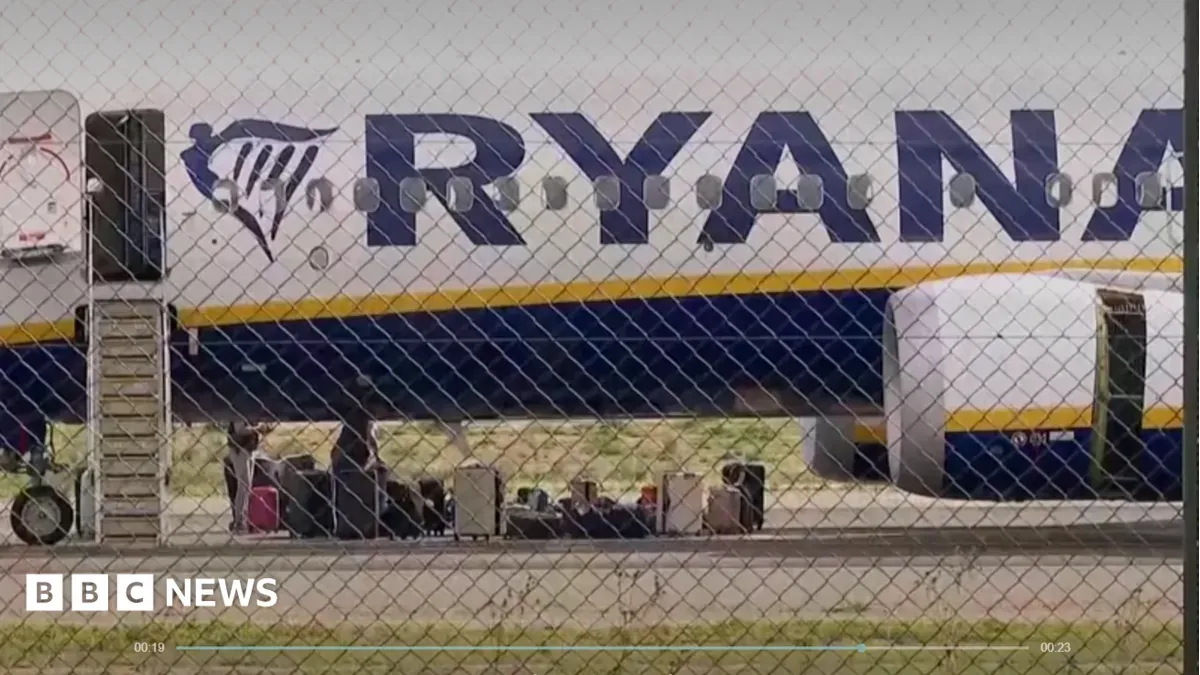
The affected Ryanair flights made emergency landings in Sofia, while another flight from London to Sofia was diverted to Plovdiv, Bulgaria's second-largest city. Airport operations returned to normal after initial searches found no issues on some of the planes.
Air traffic across Europe was disrupted on Thursday as bomb threats forced several flights to be diverted or searched upon arrival.
The Aer Lingus flight from Dublin to Rome was rerouted to Évreux-Fauville military airbase in northern France, while the Wizz Air flight from Milan to Warsaw was diverted to Vienna. Two Ryanair and one Aegean Airlines flight were also affected by bomb threats on their way to Milan's Malpensa airport.
In addition, several flights to Prague were impacted by the threats, including a LOT Polish Airlines flight from Warsaw to Brussels and four other flights operated by various airlines.
Meanwhile, Czech police spokesperson confirmed that security measures at Prague airport had ended without finding any issues after conducting pyrotechnic inspections.
The airline representative of Finnair stated that the bomb threats against their two flights were "unfounded or hoax, echoing a common theme seen this week as other European airlines faced similar threats.
The bomb threats that have disrupted several European flights this week appear to be a complex and coordinated effort.
Several low-cost carriers were among those affected on Thursday, but there was no clear pattern or common thread linking the incidents.
According to Italian news agency Ansa, an anonymous email sent to Rome airport company ADR and other affiliated companies triggered warnings for two flights: one from Helsinki to Rome and another from Dublin to Rome.
The subject heading of the email read segnalazione minaccia", which translates as "threat warning".
Aviation experts believe that while fake threats occur daily, the sheer number of credible threats this week suggests a coordinated effort.
The recent wave of bomb threats has left airlines scrambling to divert flights and ensure passenger safety. Diversions are not only costly but also highly disruptive, causing significant inconvenience to travelers and airlines alike.
Aviation experts point out that the widespread availability of airline operations information online has made it easier for hoaxers to gather detailed knowledge about flight schedules, aircraft types, and technical specifications. This level of access would have been previously reserved for industry insiders.
The coordinated nature of these threats has sparked concerns about hybrid warfare tactics, with some analysts suggesting that the goal may not be to cause physical harm but rather to create disruption and undermine public confidence in air travel security.
Facts based on reporting originally published by The Guardian Business.
You may republish this story, in full or in part, if you credit Noti Group and link to it (licence CC BY 4.0). Photos are not included.