





Bank of England Raises Interest Rates to 4%
The Bank of England has raised interest rates for the first time in over three years, increasing them from 3.75% to 4%. The decision is expected to have a ripple effect on various sectors of the economy.
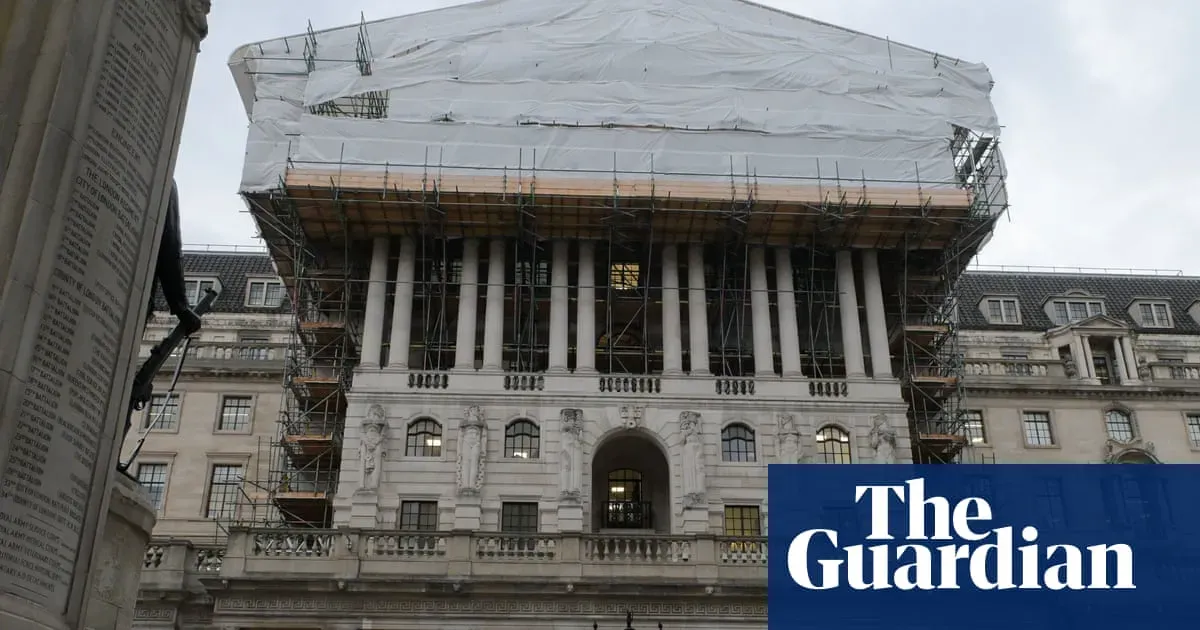
The Bank of England has made a significant move in its monetary policy, raising interest rates to 4% for the first time in over three years. This increase marks a shift from the previous base rate of 3.75%, and it's expected that this will have a ripple effect on various sectors of the economy.
Eight out of nine members of the Bank's monetary policy committee voted in favor of the rise, with one member preferring an even more substantial half-point increase. This decision is being seen as a response to rising inflationary pressures, which have been exacerbated by the ongoing conflict in the Middle East.
The Iran war has had a profound impact on global oil prices, with barrel prices consistently exceeding $100 in recent months. The increased cost of oil is a major contributor to higher inflation rates, and the Bank expects UK inflation to reach 4.9% mid-next year, up from its previous forecast of 3.2%. Inflation has already reached 3.5%, as measured by the consumer prices index.
The impact of this decision will be felt across various sectors, particularly among mortgage borrowers who will face higher interest rates. This comes at a time when consumers are already under pressure, with living standards expected to decline in both the current and next year, according to the Office for Budget Responsibility's forecasts.
In recent weeks, there have been promises of relief for hard-pressed consumers, including by John Healey, who pledged "breathing space in his budget. However, the reality on the ground suggests that this may be a challenging prospect, especially given the Bank's expectations of declining real post-tax income over the next two years.
The Bank of England's decision to raise interest rates has left many wondering what lies ahead for the economy. The prospect of another rate increase in the near future is now on the table, with a key factor being the resolution of the Iran conflict.
According to minutes from the Monetary Policy Committee (MPC), Governor Andrew Bailey hinted that without any news softening inflationary pressures, further interest rate increases could be necessary. This suggests that the Bank's priority remains controlling inflation, which has been exacerbated by elevated oil prices and their subsequent impact on business and consumer costs.
The MPC highlighted the significant pass-through from oil price hikes to other areas of the economy, including energy costs, which are set to rise in January and again in April. For an average household in Great Britain, this means a significant increase in energy bills, with Ofgem's cap rising to £2,150 per year.
Analysts are now predicting that another interest rate hike is likely in December or February, given the current level of inflationary pressure. This would be a consequence of the ongoing conflict in the Middle East and its impact on oil prices, which in turn affects the economy as a whole.
The Bank's next interest rate decision will be announced on 17 December, and it remains to be seen whether the MPC will press ahead with another pre-Christmas hike or take a more cautious approach.
The Bank of England has expressed concerns that businesses may soon be forced to pass on soaring energy costs to consumers in higher prices, according to its latest survey data. This could exacerbate already rising living expenses for households as inflation continues to climb.
Oil prices have plummeted in recent days, falling below $100 a barrel following the Democrats' victories in the US Congress, which some investors believe may limit Donald Trump's ability to prolong the conflict in Iran. The sharp decline has sparked hopes that this could ease inflationary pressures on the economy.
However, Bank of England Governor Andrew Bailey remains cautious, stating that he needs to see sustained reductions in energy prices before revising his outlook on future interest rate rises. He also emphasized the importance of resolving the Middle East conflict, citing it as a key factor in alleviating inflationary pressure.
The minutes of the Monetary Policy Committee's (MPC) meeting reveal stark divisions among its members regarding the extent to which further rate increases are needed to bring inflation under control. While all members supported the recent interest rate hike, some argued that this should be viewed as a precautionary measure rather than a long-term solution.
A one-for-now" insurance hike was suggested by dovish member Alan Taylor, implying that the current increase is sufficient and additional rises may not be necessary in the short term. On the other hand, Mann advocated for an immediate half-point rise to restore the Bank's credibility as an inflation-fighter.
The sharp fall in oil prices has raised questions about the timing of the Bank's next interest rate decision, which will be announced on 17 December. The MPC's approach at that time remains uncertain, with some members potentially advocating for a more cautious approach given the evolving economic landscape.
The UK government's efforts to mitigate the effects of higher energy prices seem to be facing a challenge from the Bank of England's interest rate increase.
The budget introduced by Chancellor Healey included measures aimed at cushioning the impact of higher energy costs, such as extending the fuel duty freeze and cutting VAT on electricity bills. The Monetary Policy Committee (MPC) estimates that these measures will reduce inflation by a quarter percentage point in mid-2027.
In response to the interest rate increase, Healey pointed out that the ongoing Iran conflict is already affecting households and businesses, making it harder for them to cope with rising costs.
Facts based on reporting originally published by The Guardian Business.
You may republish this story, in full or in part, if you credit Noti Group and link to it (licence CC BY 4.0). Photos are not included.