






Prolonged Fasting Triggers Widespread Biological Changes Across Multiple Organs
A recent study has found that prolonged fasting triggers widespread and coordinated biological changes across multiple organs in the human body.
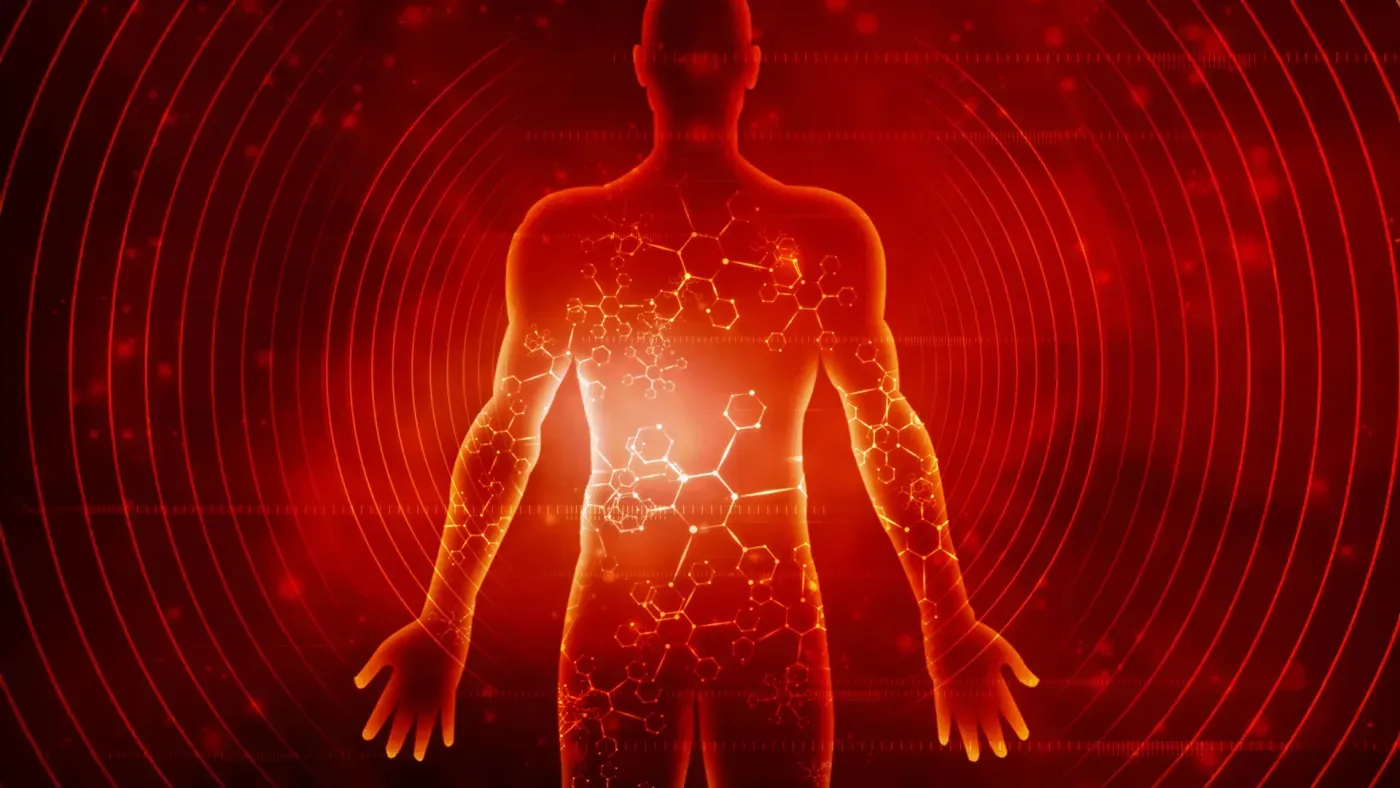
A recent study has revealed the profound impact of seven days of fasting on the human body, going far beyond just burning stored fat as a source of energy. The research, published in 2024, found that prolonged fasting triggers widespread and coordinated biological changes across multiple organs.
The most significant effects of fasting were observed after approximately three days without consuming calories, with many potentially health-related changes becoming apparent at this point. This indicates that the human body undergoes extensive physiological transformations during an extended fast, extending beyond weight loss.
Scientists from Queen Mary University of London's Precision Healthcare University Research Institute and the Norwegian School of Sports Sciences conducted the study to identify molecular changes associated with fasting. Their findings aim to provide a foundation for future research into treatments capable of replicating some of fasting's effects.
These potential benefits could be crucial for individuals who may not be able to undergo prolonged fasting due to health concerns, but still require certain biological responses that are triggered by fasting. This includes people who might benefit from the therapeutic applications of fasting without being able to safely follow a prolonged fast or mimic its effects through alternative diets.
Millions of people worldwide practice fasting for various reasons, including cultural, religious, medical, and weight loss purposes. This practice has been an essential adaptation throughout human history, as humans have developed the ability to survive extended periods without food due to unpredictable access to meals in the past.
In medicine, fasting has a long history of being used to manage various conditions, including epilepsy and rheumatoid arthritis. Its application in these areas highlights its potential therapeutic benefits when employed appropriately. By depriving the body of food, fasting can have a profound impact on its physiological state.
When fasting, the body's primary source of energy, glucose derived from consumed food, is no longer available. In response to this change, the body begins to rely more heavily on stored fat for energy production. This fundamental shift in metabolic function has been understood by scientists, but its effects on other bodily processes have remained unclear.
The study aimed to shed light on these unknowns by investigating the biological changes that occur during prolonged fasting. To do so, researchers employed modern protein analysis techniques, which allow for the examination of thousands of proteins in the bloodstream. These proteins play a wide range of roles within the body, from building tissues and controlling chemical reactions to transmitting signals between cells.
The study involved 12 healthy volunteers who underwent a seven-day water-only fast while being closely monitored each day. The researchers measured changes in approximately 3,000 proteins in their blood before the fast, throughout the fasting period, and after they resumed eating. This comprehensive approach enabled the scientists to gain a detailed understanding of how different organs and biological systems respond to prolonged fasting.
The data collected during this study will provide valuable insights into the effects of prolonged fasting on the human body. By examining the changes that occur in protein levels, researchers can begin to understand the potential benefits or drawbacks of this practice.
The researchers took their protein measurements a step further by combining them with genetic information from large population studies. This allowed them to delve deeper into the biological pathways affected by fasting and predict potential health consequences associated with these changes.
As participants' bodies adapted to the absence of food, they began shifting away from glucose as an energy source and toward stored fat during the first two or three days without sustenance.
The average weight loss among participants was substantial, reaching 5.7 kilograms within a short period, with losses coming from both body fat and lean mass. Lean mass encompasses tissues that are not body fat, such as muscle and other water-rich tissues.
Three days after resuming eating, participants' overall weight still lingered below its pre-fasting level, although most of the lost lean mass had begun to return. Notably, however, the reduction in fat mass persisted during this period.
The researchers observed a consistent pattern of changes among participants undergoing prolonged fasting, suggesting that these changes are not solely due to weight loss.
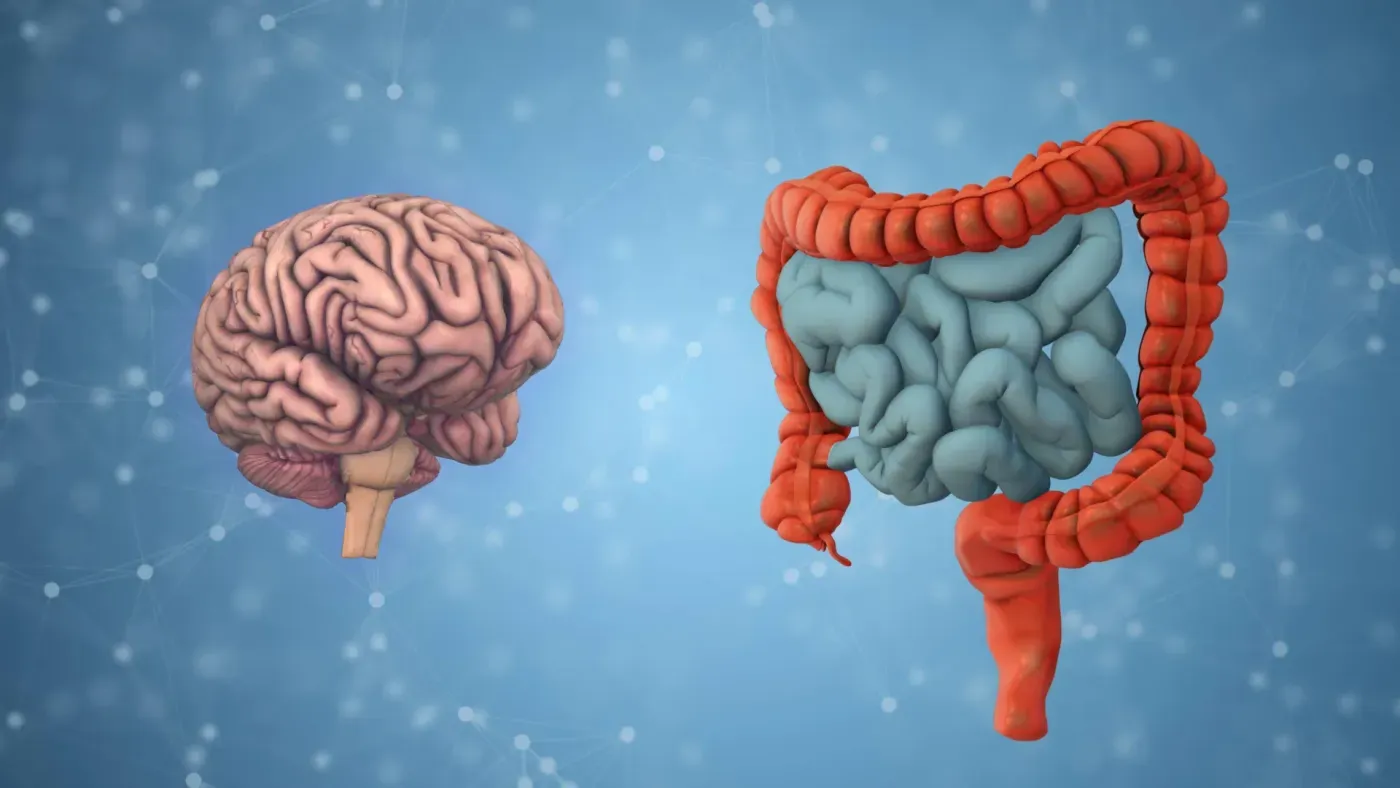
One notable finding was the alteration in proteins associated with neuronal structure and function in the brain. These proteins play a crucial role in maintaining the health and integrity of neurons, which transmit information throughout the nervous system.
The study's results indicate that prolonged fasting may have a broader impact on biological processes than just fat metabolism. This is significant because it implies that fasting could potentially influence various aspects of human physiology beyond weight loss.
According to Claudia Langenberg, Director of Queen Mary's Precision Health University Research Institute (PHURI), the findings offer new insights into the effects of fasting at a molecular level across the body.
The timing of these changes is also worth noting. The study focused on complete calorie restriction lasting several days, whereas intermittent fasting involves shorter periods without food. As such, the results do not necessarily imply that shorter fasting schedules produce similar effects.
The study's findings have shed light on the molecular responses that occur during prolonged fasting, but they do not necessarily imply that shorter fasting schedules produce similar effects. Instead, these results provide a foundation for understanding why some conditions are treated with fasting.
Understanding the biological changes triggered by fasting could be more significant than the practice of fasting itself. By identifying the key molecular pathways responsible for beneficial effects, researchers may develop treatments that activate those pathways without requiring patients to abstain from food for extended periods. This would be particularly valuable for individuals whose health conditions make prolonged fasting impractical or hazardous.
Maik Pietzner, a leading researcher in the field, notes that their findings have provided new insights into why fasting is sometimes used as a treatment option. While fasting may offer benefits for certain medical conditions, it often proves unfeasible for patients with severe illnesses. The researchers hope to build upon this knowledge and develop treatments that can replicate the beneficial effects of fasting without requiring prolonged caloric restriction.
The study's molecular map reveals how the body adapts during prolonged fasting, highlighting a notable threshold beyond which more significant biological changes become apparent. Specifically, while the switch from glucose to stored fat as an energy source occurs within the first few days, many broader biological adaptations associated with fasting take about three days without calories to manifest.
The study's findings have far-reaching implications for medical research and potential treatment development. By pinpointing the molecular pathways involved in beneficial effects, researchers may create therapies that can be used in place of or in conjunction with fasting, offering new hope for patients whose health conditions make traditional fasting regimens unviable.
Researchers have made significant progress in understanding the effects of seven days of fasting on the human body. By identifying the specific molecular pathways involved in these changes, scientists can now distinguish between weight loss and deeper biological responses triggered by extended fasting.
This distinction is crucial for unlocking new avenues of research that could lead to therapies mimicking the beneficial effects of fasting without requiring prolonged periods without food.
Facts based on reporting originally published by ScienceDaily Health.
You may republish this story, in full or in part, if you credit Noti Group and link to it (licence CC BY 4.0). Photos are not included.