


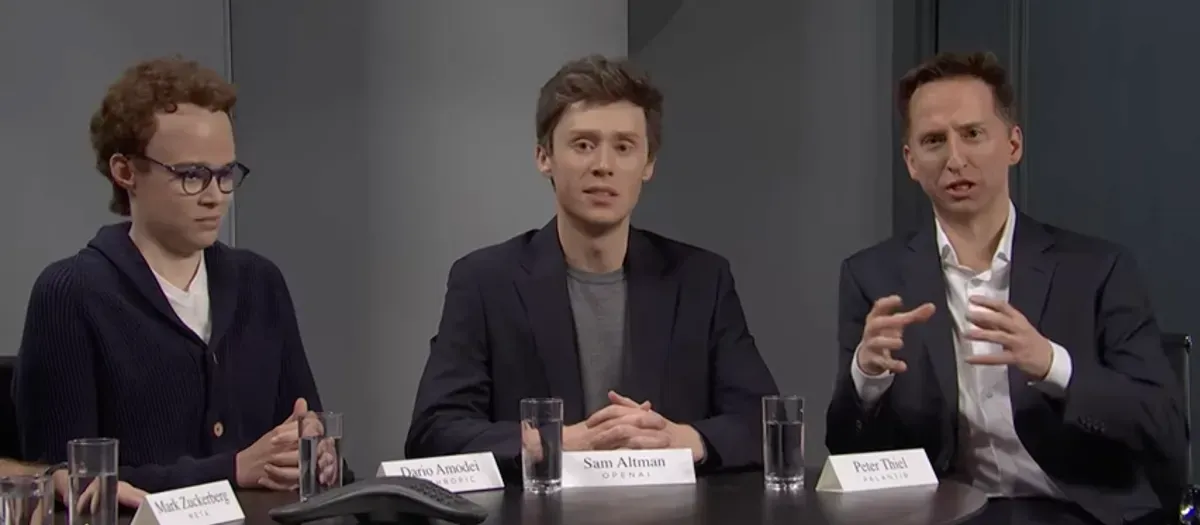


Nvidia's CEO Jensen Huang Steps Down Amidst Investigation by Board
The sudden departure of Nvidia's CEO Jensen Huang has sent shockwaves through the tech industry and raised questions about the future of the company's investments in AI-related initiatives.
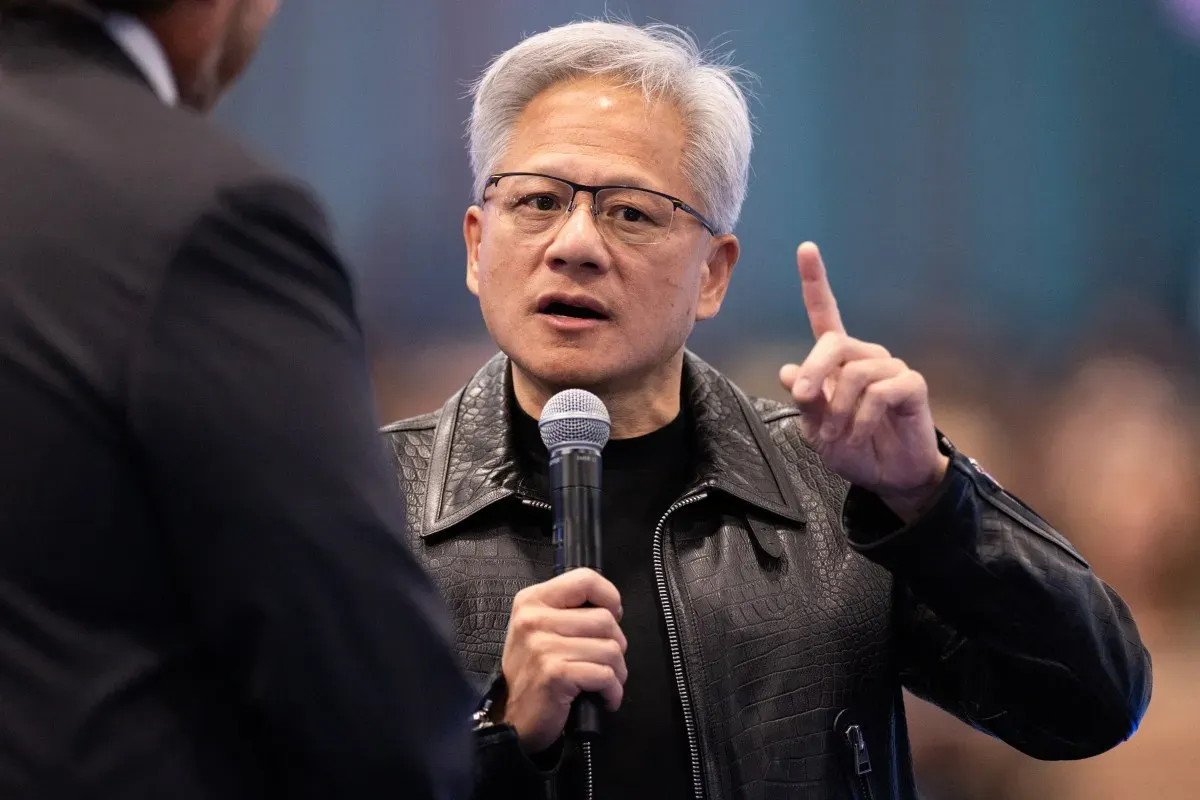
Nvidia's CEO Jensen Huang has stepped down amidst an investigation by the company's board. This sudden departure is a surprise to many, including those who had discussed the situation just days prior.
A recent episode of TechCrunch's Equity podcast featured a discussion on the implications of Huang's ouster for the larger AI industry. The conversation highlighted how quickly the situation escalated and how it has left many in the tech community wondering about the future of Nvidia's investments in the AI ecosystem.
The departure of Jensen Huang, who was widely seen as synonymous with Nvidia, is sending shockwaves through the company and beyond. Many are now questioning what this means for the billions invested by Nvidia in various AI-related initiatives. Will these projects be abandoned or continue to move forward?
Rebecca Bellan expressed her surprise at the suddenness of the situation, saying "I didn't think it was going to happen at all." She pointed out that Huang's resignation has left many with a renewed sense of faith in humanity. Meanwhile, Tim De Chant seemed more prepared for the outcome.
The discussion also touched on how this development affects Nvidia's role in the AI industry. As one of the leading players in this space, the company's influence is significant, and its future direction remains uncertain.
The sudden resignation of Jensen Huang from Nvidia has sent shockwaves through the tech industry, but what does it mean for the AI sector as a whole? Some observers have noted that Jensen's departure is not necessarily indicative of broader issues with the company.
In fact, Nvidia's influence on the AI economy cannot be overstated. The company's products are used by many organizations in the field, and its success has contributed to the growth of the industry as a whole. This reliance on Nvidia makes it difficult for some people to imagine the company without Jensen at the helm.
Jensen Huang is not only the CEO of Nvidia but also one of its largest shareholders. His family members are also involved with the company, which adds to his personal stake in its success. The lack of a clear succession plan has left many wondering who will take over the reins now that Jensen is gone.
The AI industry's ties to Nvidia go beyond just business relationships. Many companies rely on the company's products to power their own AI initiatives. This dependence makes it difficult for some people to separate Jensen's personal issues from the broader implications of his resignation.
Rebecca has noted that this conversation assumes a certain level of familiarity with the situation, but for those who may be new to the story, here is a brief summary: Jensen Huang resigned as CEO of Nvidia after allegations surfaced about his personal life, including an affair with a former executive at one of Nvidia's customers, Megaspeed.
The interim CEO of Nvidia is now Collette Kress, a longtime board member and CFO. Her appointment has raised some eyebrows, particularly given her background in finance rather than technology or AI research.
The sudden downfall of Jensen Huang has sent shockwaves through the tech industry, but its implications extend far beyond his personal life. A closer look at the events that led to this crisis reveals a complex web of relationships and potential security risks.
According to insiders, there was a sense of inevitability about the consequences of Huang's actions. It appears that the intelligence community had been aware of concerns surrounding his relationship with Alice Huang for over a year. The details of these allegations have only recently come to light.
The speed at which this scandal has unfolded is remarkable. Just last weekend, Huang publicly admitted to having an affair, and the board of directors announced it was investigating the matter while maintaining faith in him. However, new revelations have emerged this week, adding fuel to the fire.
These developments are not entirely surprising, given that some of the underlying issues had been circulating within intelligence circles for a significant period. The fact that these concerns were being raised as far back as nearly a year ago highlights the complexity of the situation.
The involvement of national security agencies and the potential implications for US-China relations have added to the gravity of this crisis. The warning signs were there, but it seems they were largely ignored or downplayed by those in power.
The controversy surrounding Nvidia's CEO Jensen Huang has sparked concerns about his credibility in light of his advocacy for loosening chip exports to China. This stance has raised red flags among those who believe it poses a national security risk, as it could grant Chinese AI companies access to powerful chips that would enable them to enhance their artificial intelligence capabilities.
Critics argue that Huang's motives may not be entirely altruistic, suggesting that his primary concern is boosting chip sales rather than prioritizing national security. This perspective implies that he may be willing to compromise on sensitive issues in pursuit of business interests.
The release of a Bloomberg report earlier this week appears to have accelerated the unfolding drama surrounding Nvidia. The report highlighted the involvement of the company's head attorney in inquiries about the Department of Commerce's investigation into Alice Huang, which has led some to speculate about a shift within government or the board regarding the extent of the crisis.
It seems that the recent developments may indicate a growing recognition of the severity of the situation, extending beyond Jensen Huang and his personal affairs. This newfound awareness could be prompting a reevaluation of Nvidia's leadership and policies in the wake of the controversy.
As Nvidia's leadership and policies come under scrutiny, the broader AI industry is also facing an uncertain future. The company's significant investments in various AI startups have created a complex web of relationships that could be affected by any changes at the top.
Nvidia's dominance in the AI GPU market, accounting for around 80% of sales, has been fueled by its aggressive expansion into the sector. This includes substantial investments in companies such as CoreWeave, Nebius, OpenAI, and Anthropic, which have received significant funding from Nvidia. The company's cloud service commitments also total $36 billion.
The scale of Nvidia's involvement in AI startups is staggering, with reported investments and commitments totaling over $99 billion. This has enabled the company to establish itself as a major player in the development of artificial intelligence technologies. However, this level of investment also raises questions about the potential risks associated with Nvidia's influence on the sector.
Nvidia's extensive network of partnerships and investments could be vulnerable if the company were to experience significant changes or setbacks. This might have far-reaching consequences for the AI industry as a whole, potentially disrupting the delicate balance of power within the sector.
The company's role in shaping the development of AI technologies is undeniable, with its infrastructure supporting numerous projects across the globe. If Nvidia were to undergo a period of retrenchment or reevaluation, it could send shockwaves through the industry, impacting not just the company itself but also the broader ecosystem of startups and research initiatives.
The impact of any changes at Nvidia would likely be felt beyond the company's own walls, with potential ripple effects on the entire AI industry. The stakes are high, as the sector navigates a complex landscape of innovation and investment.
As news of Jensen Huang's personal scandal continues to spread, it remains to be seen how this situation will impact his leadership at Nvidia.
The tech industry is known for its intense scrutiny and high expectations, and Huang's alleged behavior has sparked widespread discussion about accountability in the sector.
In a complex landscape where innovation and investment often intersect, the stakes are indeed high for both individuals and companies alike.
Facts based on reporting originally published by TechCrunch.
You may republish this story, in full or in part, if you credit Noti Group and link to it (licence CC BY 4.0). Photos are not included.