







Stroke Rates Among Younger Adults Nearly Double Over Past Three Decades
A comprehensive study has found that stroke rates among individuals aged 20 to 54 have nearly doubled over the past three decades.
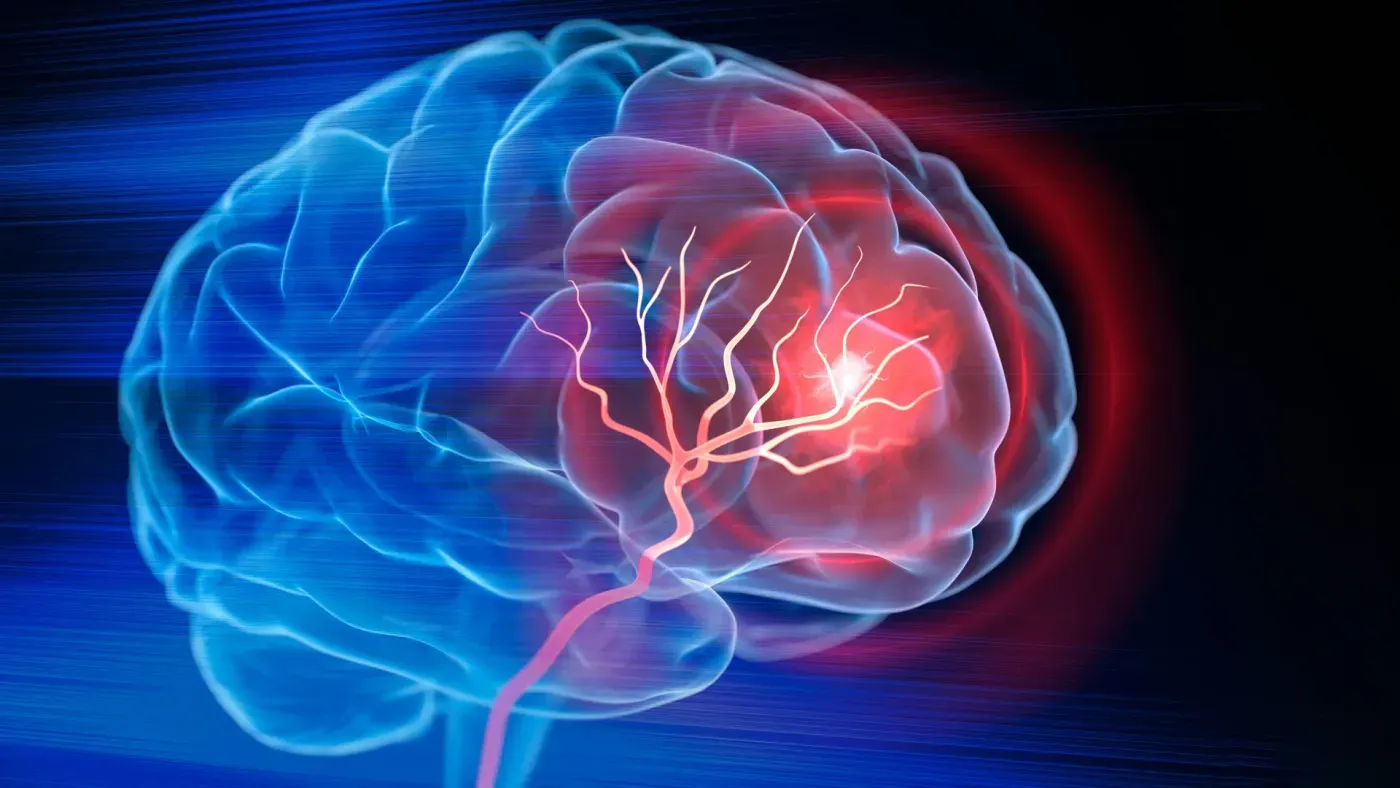
Strokes have become increasingly prevalent among younger adults in recent decades, contradicting long-held assumptions about who is most at risk for this condition.
A comprehensive study has found that stroke rates among individuals aged 20 to 54 have nearly doubled over the past three decades, despite a marked improvement in survival rates. This trend is particularly concerning given the potential long-term health consequences for younger adults who experience strokes.
The study's findings are based on an examination of medical data from the Greater Cincinnati and Northern Kentucky region between 1993 and 2020. Researchers identified 2,076 adults within this age range who experienced their first stroke during the study period, highlighting a disturbing increase in cases.
According to Dr. Emily R. Fisher, lead researcher at the University of Cincinnati, While it was previously thought that strokes primarily affected older adults, our research shows that they are becoming more common among younger individuals. This shift has significant implications for public health and healthcare systems.
The study's data reveals a striking rise in stroke rates over time, with an increase from 33.9 cases per 100,000 person-years in 1993-1994 to 62.2 cases per 100,000 person-years by 2020, an approximate 83% surge.
The researchers used a measurement called person-years to track the frequency of strokes over time. This metric takes into account both the number of individuals being studied and the duration of their observation period, allowing for accurate comparisons across different periods.
Ischemic strokes were found to be primarily responsible for the surge in stroke cases among younger adults. These events occur when a blood vessel supplying the brain becomes blocked, cutting off oxygen and nutrients to brain tissue. As a result, brain cells can begin to suffer damage within minutes if left untreated.
The rate of ischemic strokes more than doubled over the study period, from 23.8 cases per 100,000 person-years in 1993-1994 to 47.3 in 2020. This stark increase stands out in contrast to other forms of stroke, which did not exhibit a comparable rise.
Intracerebral hemorrhage, characterized by bleeding directly into the brain, and subarachnoid hemorrhage, which involves bleeding in the space surrounding the brain, showed no significant increases over time. These findings suggest that the growing number of ischemic strokes is a distinct trend.
The researchers also investigated potential risk factors among younger adults who experienced strokes, identifying several conditions that became more prevalent over time. High blood pressure and diabetes were among the rising concerns, as well as atrial fibrillation, an irregular heartbeat that can lead to blood clots in the heart.
The prevalence of substance use among younger adults who experienced strokes has seen a significant increase over the years. In 1993-1994, about 4.6% of this demographic had documented substance use, but by 2020, that figure had risen to 40.2%. Much of this growth is attributed to an uptick in marijuana use.
While the study highlights these rising trends, it's essential to note that researchers cannot definitively link them to the increase in stroke rates among younger adults. This is because they lack comparable health data from individuals who did not experience strokes, making it impossible to determine the impact of risk factor changes on the overall trend.
Despite the concerning rise in stroke cases, there are signs of improvement in survival rates for younger adult patients. Research indicates that these individuals were more likely to survive a stroke than their counterparts nearly three decades ago.
The proportion of patients who died within 30 days of experiencing a stroke declined from 11.7% in 1993-1994 to 9.4% by 2020, according to the findings. This improvement is particularly notable among those suffering from intracerebral hemorrhage and subarachnoid hemorrhage, two types of bleeding strokes known for their severity.
The consequences of surviving a stroke can be long-lasting and debilitating, with many patients experiencing difficulties with movement, speech, memory, or other abilities. As the frequency of strokes among younger adults continues to rise, more people may have to navigate these challenges for extended periods.
The rising number of strokes among younger adults has sparked concern and calls for further research into the underlying causes.
Experts stress that identifying stroke risk factors early in adulthood is crucial to preventing this trend from continuing. However, more investigation is needed to understand what is driving these increases and how they can be reversed. This includes examining whether the same patterns are seen across different geographic regions and populations.
The study's limitations highlight the need for further research into this issue, with a focus on establishing national trends and identifying contributing factors.
Facts based on reporting originally published by ScienceDaily Health.
You may republish this story, in full or in part, if you credit Noti Group and link to it (licence CC BY 4.0). Photos are not included.