




Former Deutsche Bank trader Christian Bittar has conviction overturned by UK court
Christian Bittar's sentence was quashed after a lengthy legal battle, marking another significant development in the Libor scandal.
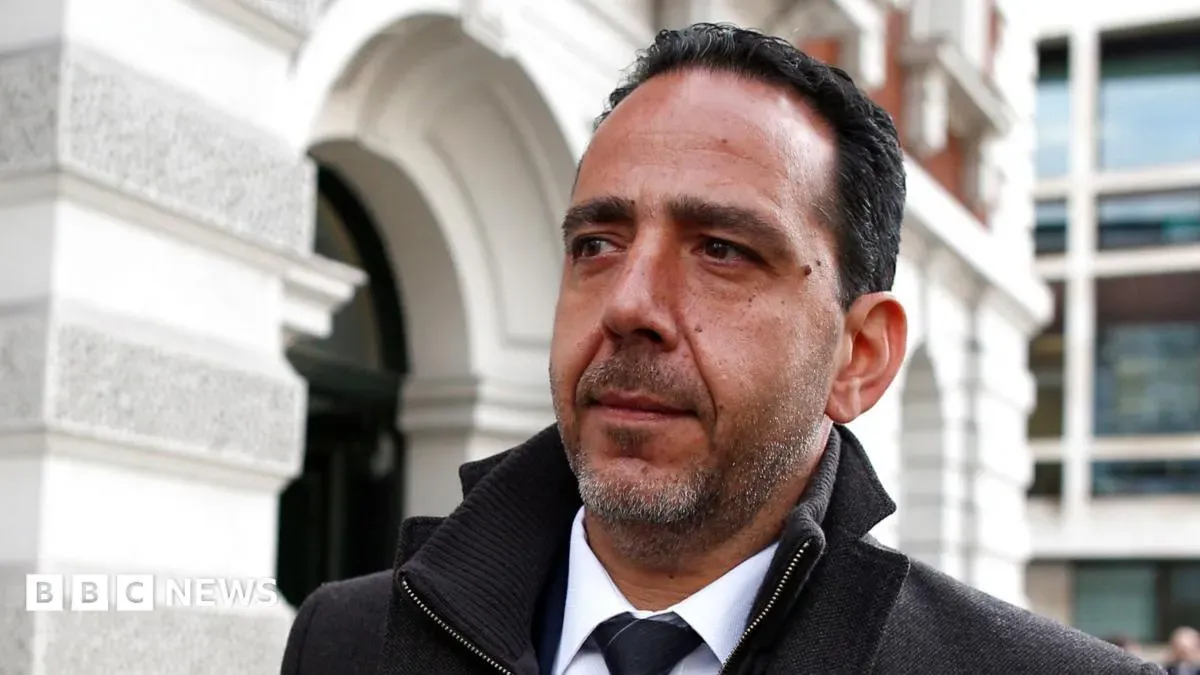
A former Deutsche Bank trader who was imprisoned for his role in rigging interest rates has had his conviction overturned by a UK court. Christian Bittar's sentence was quashed after a lengthy legal battle, marking another significant development in the Libor scandal.
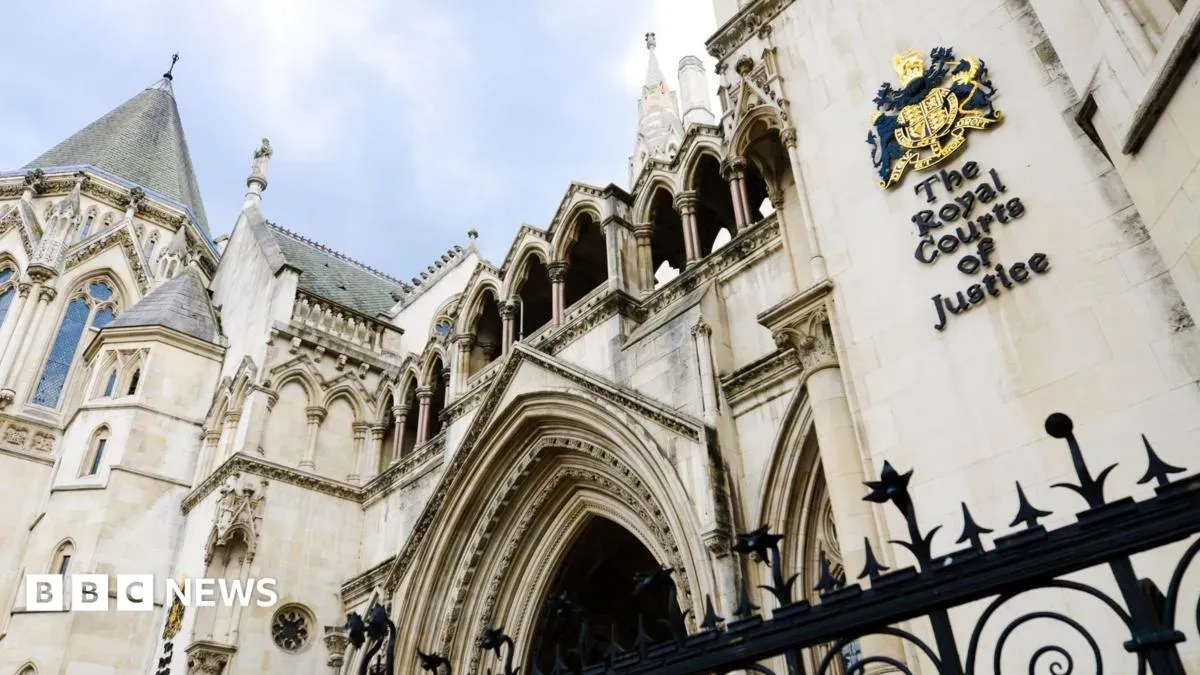
The Court of Appeal made the decision to overturn Bittar's conviction, which was handed down in 2018 for manipulating the Euribor benchmark interest rate. This comes on the heels of a recent UK court ruling that overturned five convictions of ex-Barclays bankers involved in the same rate rigging trials.
Bittar watched the proceedings from Switzerland via video link, as he had been denied a visa to attend court in person. In a statement to the BBC, he expressed relief at the outcome, saying: "I have waited a very, very long time for this day."
The Libor scandal first erupted in 2012, when it was discovered that banks had misrepresented their positions during the setting of lending rates. This allowed them to boost profits and conceal financial difficulties.
Bittar's conviction is just one part of a broader legacy of rate rigging cases, which have seen 19 City traders convicted between 2015 and 2019 in nine trials held in London and New York.
The acquittal of Bittar has sparked renewed calls for transparency from lawyers and senior politicians, who are now demanding that the Bank of England and the Treasury release all their records related to interest rate manipulation during the financial crisis.
This request comes amidst concerns about a potential cover-up by central banks and governments. The move is seen as an attempt to shed light on the role played by these institutions in the scandal.
The recent acquittals have also raised questions about the fairness of past convictions, particularly that of former Barclays trader Peter Johnson. He pleaded guilty initially due to concerns about his chances at trial but has now applied to appeal against his conviction.
Johnson's case is significant as he was one of the original whistleblowers in the interest rate rigging scandal. His decision to appeal could potentially have far-reaching implications for other cases linked to the scandal.
The quashing of convictions for five traders, including Jay Merchant and Jonathan Mathew, has added momentum to the push for greater transparency from central banks and governments.
A recent Supreme Court decision has paved the way for several traders to re-examine their convictions related to manipulating interest rate benchmarks.
This development comes as a significant blow to the efforts of prosecutors who had previously secured convictions in high-profile cases involving traders like Tom Hayes and Carlo Palombo.
The acquittal of these individuals, along with others, has raised questions about the fairness of the original trials and whether innocent parties were wrongly targeted by investigators.
Evidence uncovered by the BBC suggests that a broader pattern of rate manipulation may have existed, with central banks and governments exerting pressure on financial institutions to influence interest rates.
Former Conservative cabinet minister David Davis has spoken out about his concerns regarding the miscarriages of justice in these cases, suggesting that innocent traders were scapegoated due to government misbehavior in manipulating Libor rates.
The landmark cases of rate-rigging traders who were convicted and sentenced to prison terms have been re-examined by the highest court in the land.
In a significant development, the Supreme Court has ruled that previous judges erred in their decisions, stating that it was not for them to decide whether requests from traders to influence interest rates were lawful or unlawful. Instead, this should have been left to the jury to determine as a matter of fact.
The implications are far-reaching, with all convictions now potentially under review and former bankers who claimed they were scapegoated by government misbehavior in 2008 hoping for justice to be served at last, their futures finally cleared up.
Facts based on reporting originally published by BBC News Business.
You may republish this story, in full or in part, if you credit Noti Group and link to it (licence CC BY 4.0). Photos are not included.