






Convictions of five former Barclays traders overturned by Court of Appeal
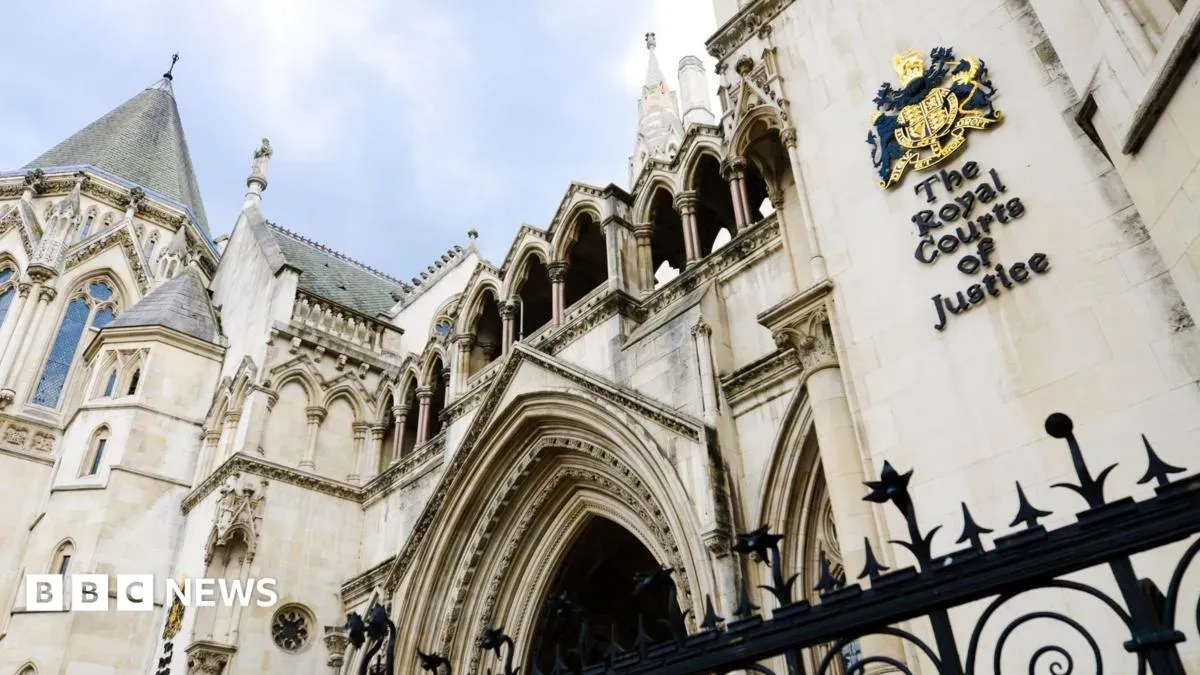
The Court of Appeal has quashed the convictions of five former Barclays traders found guilty of manipulating interest rates used for loans between banks.
A significant development has emerged in one of the most high-profile cases related to the 2008 financial crisis, as five former Barclays traders have had their convictions overturned by the Court of Appeal.
The five individuals - Jay Merchant, Jonathan Mathew, Philippe Moryoussef, Alex Pabon, and Colin Bermingham - were found guilty of manipulating interest rates used for loans between banks. The manipulation involved two key mechanisms: Libor and Euribor, which at the time set borrowing costs on various financial products such as mortgages and car finance deals.
The traders had been cast by prosecutors as emblematic of banker greed during a period of intense public backlash and anger following the 2008 financial crisis. Their convictions were seen as a symbol of accountability for those responsible for the widespread economic turmoil.
Merchant, Mathew, Pabon, and Bermingham have all served jail terms in connection with their convictions, while Moryoussef was sentenced in his absence in 2018 but has never returned to the UK to serve time due to France's refusal to extradite him.
The quashing of convictions for several former bankers has sparked renewed debate about accountability in the financial sector. The overturned convictions are linked to the Libor scandal, which emerged in 2012 when it was discovered that banks had mispresented their positions while setting lending rates.
This manipulation allowed them to boost profits and conceal difficulties during the 2008 financial crisis, a period marked by widespread economic shockwaves and recessions worldwide. The fallout from this episode saw public anger directed at bankers who were seen as responsible for the crisis, despite receiving taxpayer-funded bailouts.
The convictions of these former traders had been secured between 2015 and 2019 in nine criminal trials held in London and New York. In each case, they were found guilty of a single count of conspiracy to defraud, related to their alleged attempts to influence financial benchmark rates.
A key aspect of this story is the impact on those affected by these convictions, including family members who have been left to deal with the consequences. One individual has spoken publicly about the relief and vindication they feel now that their name has been cleared, citing the importance of having a corrected record for their children's sake.
The latest development in the long-running interest rate rigging case has seen two more bankers have their convictions quashed, bringing the total number of cleared traders to four.
Tom Hayes, a former trader at Swiss bank UBS, was the first banker jailed for his role in the scandal. He had been fighting to clear his name since 2015 and finally won his appeal last year after a 10-year battle that culminated in a Supreme Court ruling in July 2025.
Hayes' victory, alongside that of fellow trader Carlo Palombo, who was also cleared, has set a precedent for others to challenge their convictions. Both traders had argued that they were wrongly prosecuted for practices that were deemed normal at the time as part of efforts to appease public anger over the financial crisis.
The latest ruling leaves only two traders with convictions still standing - former Deutsche Bank trader Christian Bittar and former Barclays trader Peter Johnson, who will both challenge their convictions in court.
Facts based on reporting originally published by BBC News Business.
You may republish this story, in full or in part, if you credit Noti Group and link to it (licence CC BY 4.0). Photos are not included.