





Russia's Fuel Crisis Sparks Shift Towards Iran for Central Asian Countries
Countries in Central Asia are turning to Iran for oil supplies after Russia's long-standing fuel deliveries began to dwindle due to Ukraine's ongoing attacks on Russian energy infrastructure.

Countries in Central Asia are turning to Iran for oil supplies after Russia's long-standing fuel deliveries began to dwindle due to Ukraine's ongoing attacks on Russian energy infrastructure.
Tajikistan has been particularly affected, announcing in August that it would receive oil and petroleum products from Iran as the country grappled with uncertainty over its fuel supply from Russia. The move is significant given that Tajikistan had traditionally sourced up to 80 percent of its petroleum products from Russia.
Iran's willingness to help Tajikistan is also evident in its agreement to establish a joint refinery in Kyrgyzstan, another Central Asian nation heavily reliant on Russian oil supplies. Under the deal, Tehran will supply crude oil to Kyrgyzstan as part of the arrangement.
The situation has been exacerbated by Ukraine's relentless attacks on Russia's energy infrastructure, which have caused widespread panic among countries in the region that depend on Moscow for their fuel needs. Tajikistan and Kyrgyzstan are among those feeling the pinch, with both nations relying heavily on Russian oil imports.
For Kyrgyzstan, this reliance is particularly pronounced, with more than 90 percent of its petrol coming from Russia. The country's membership in the Eurasian Economic Union, a free trade bloc dominated by Russia and the Kremlin, has only reinforced this dependence.
As a result of these developments, experts are beginning to wonder whether the Russian fuel crisis could provide an opportunity for Iran to expand its influence in Central Asia.
Kazakhstan's energy sector has been affected by the Russian fuel crisis, despite having three giant oil refineries that date back to the Soviet era. Fuel prices in the country have increased significantly, rising by 15.6 percent this year alone.
Uzbekistan, a neighboring country of Kazakhstan, is better equipped to handle its own energy needs, with domestic production capable of reaching 100,000 tonnes of petroleum products per month. However, the increase in oil demand from regional neighbors has forced Uzbekistan to diversify its imports and establish trade agreements with countries like Georgia and Iraq.
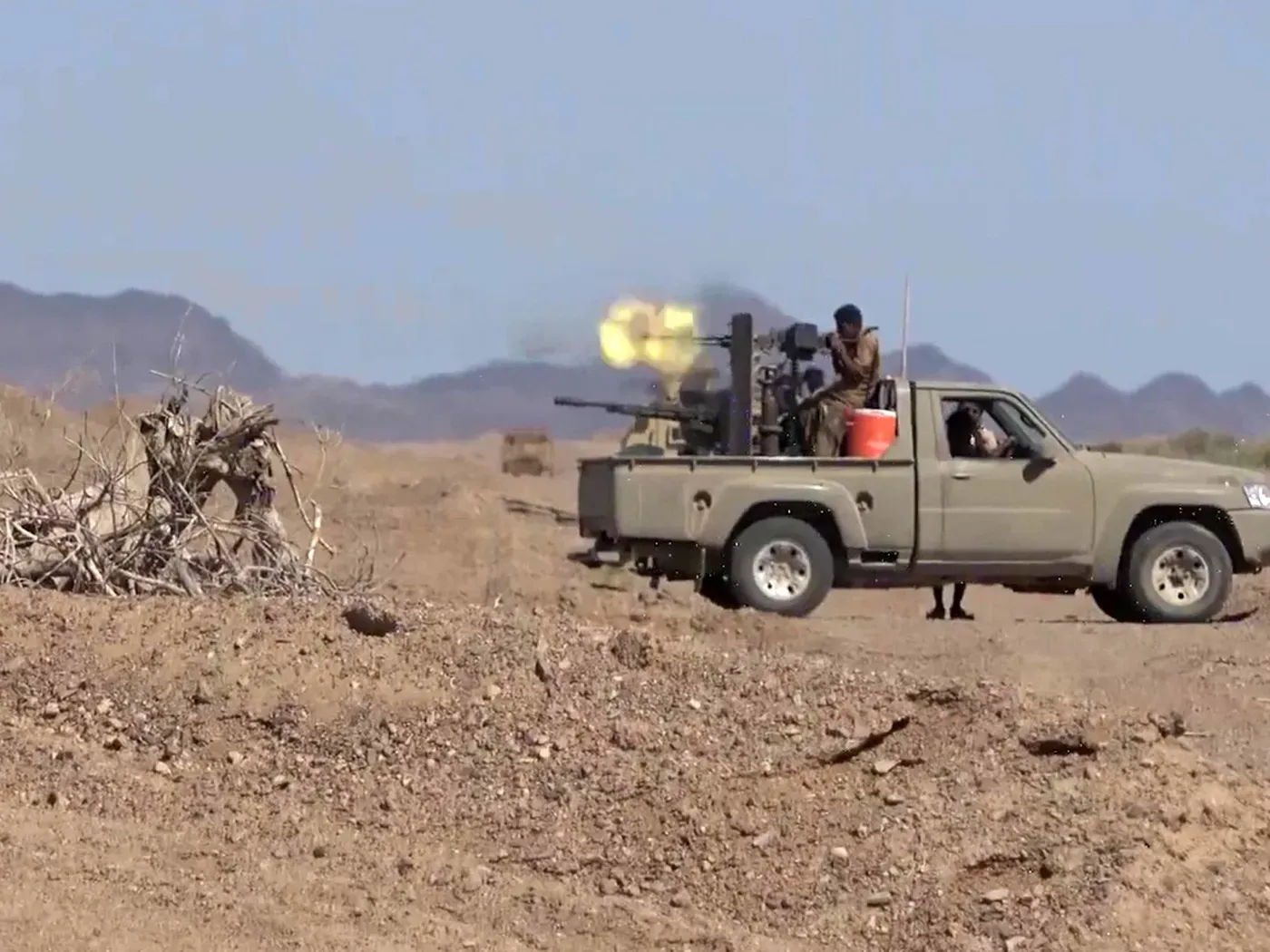
The Russian fuel deficit has been exacerbated by Ukraine's drone strikes against Moscow's energy infrastructure, which have knocked out an estimated quarter to half of Russia's total oil refining capacity. This has led to widespread disruptions in the country's energy supply chain.
To mitigate the crisis, Russia has implemented fuel rationing measures, limiting sales to about 20-30 litres per vehicle and prohibiting the filling of jerry cans with fuel. These restrictions have been put in place to conserve available supplies and prevent further shortages.
In addition to rationing, the Russian government has also taken steps to reduce energy exports, including banning petrol and jet fuel shipments. Officials are now considering a ban on diesel exports as well, in an effort to prioritize domestic needs over international sales.
The crisis has had far-reaching consequences, with even state-owned oil firms like Nayara Energy in India reportedly selling petroleum to Russia. The situation has sparked concerns that the Russian fuel crisis could create opportunities for other countries, including Iran, to expand their influence in Central Asia.
The Russian fuel crisis has created a void that other countries are eager to fill in Central Asia. Amidst this backdrop, Tajikistan is turning to Iran for oil and petroleum products. According to the country's Energy and Water Resources Ministry, it will receive 2.55 million tonnes of these essential commodities from its neighbor.
While details about the transportation route remain undisclosed, Tajikistan's decision to partner with Iran highlights the growing interest in exploiting opportunities created by Russia's fuel shortages. This trend is not limited to Tajikistan alone; other Central Asian countries are also exploring alternative sources for their energy needs.
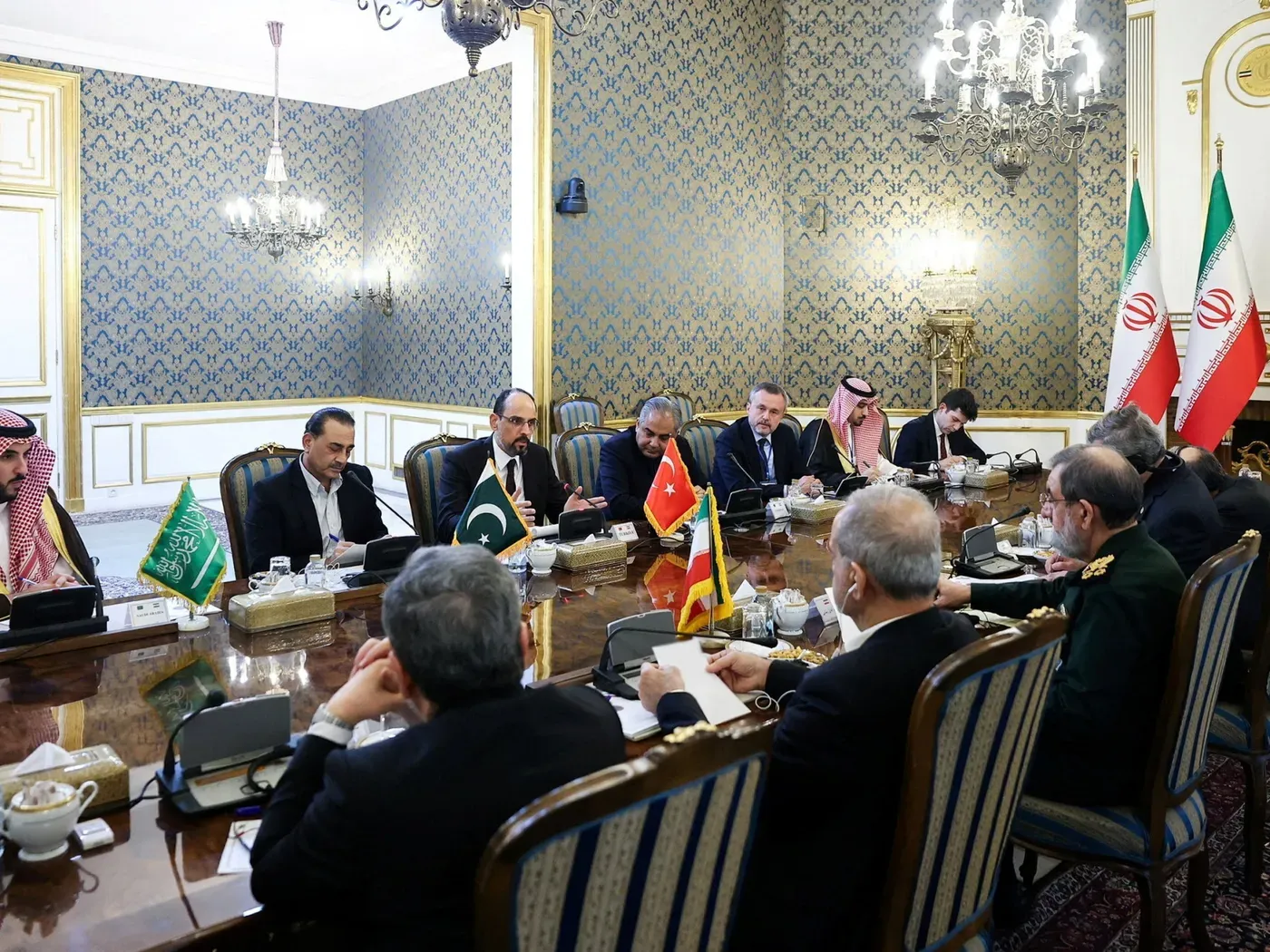
Iran has been actively courting its neighbors, and a recent proposal from Kyrgyzstan to establish a joint refinery in the country has received a warm welcome from Iranian President Masoud Pezeshkian. Under this agreement, Iran would supply the crude oil needed by the refinery, with the products to be divided between the two sides.
Iran's ability to export its own crude has been severely impacted by the ongoing conflict with the US and Israel. The war has resulted in a significant decline in Tehran's oil revenues, which have been further curtailed by the naval blockade of Iran's ports imposed by the US.
Data released by the Statistical Center of Iran reveals that gross domestic product (GDP) shrank by 10.1 percent year-on-year between March 21 and June 20. This decline is a direct consequence of the reduced ability to sell crude, which has plummeted from around two million barrels per day in March to just 220,000-255,000bpd in August.
Estimates suggest that Iranian crude and condensate loadings have been severely affected by the US naval blockade, with numbers dropping dramatically since the conflict began.
The ongoing conflict in the region has led to a significant drop in Iranian crude and condensate loadings, according to estimates. This decrease is largely attributed to the US naval blockade, which has severely impacted Iran's ability to transport its oil.
Iran has been actively seeking new markets for its oil amidst these challenges. The recent fuel shortages in Russia have created an opportunity for Iran to increase its presence in Central Asia, at least in the short term. Analysts suggest that this development could be a temporary reprieve for Iranian oil exports.
To reach Tajikistan and Kyrgyzstan, Iranian oil would need to cross through Turkmenistan and Uzbekistan by rail. This logistical challenge has been a significant hurdle for Iran's efforts to expand its market share in the region. Despite these obstacles, Iranian officials remain optimistic about the prospects of increased trade with Central Asia.
The situation is precarious, however, as it depends on Ukraine continuing to disrupt Russian refineries. Frederic Schneider, a nonresident senior fellow at the Middle East Council on Global Affairs, notes that this scenario seems unlikely in the near future. The US government's demand for an "energy truce between Russia and Ukraine has put pressure on Ukraine to cease its attacks.
US President Donald Trump has been pressing Ukrainian counterpart Volodymyr Zelenskyy repeatedly for a ceasefire with Russia. This effort is motivated by concerns over rising diesel prices, which have become a political issue ahead of the November midterm elections in the US.
The truces proposed by Trump have so far collapsed within hours, but analysts agree that the direction is clear: once the strikes stop or Russian refineries are repaired, Central Asia will return to relying on duty-free Russian fuel under Eurasian Economic Union arrangements. This development would make it increasingly difficult for Iran to compete with Russian oil on price.
Iran's oil exports have traditionally been concentrated in Asia, particularly to China, which reported $9.96bn in two-way trade with Iran in 2025, a figure that does not include some $31.2bn in Iranian oil shipments.
However, the fuel crisis in Russia has created an opportunity for Iran to expand its presence in Central Asia, where logistics play a crucial role in importing oil to countries like Tajikistan and Kyrgyzstan.
Russia's advantage in this regard is due to its geographical proximity to these countries, sharing borders with both. This allows it to easily transport oil through pipelines, rail links, and supply contracts that have been established over decades.
Tajikistan's demand for oil is estimated to be around 50,000 barrels per day (bpd), a relatively small amount compared to Iran's total exports of 1.7 million bpd by sea a year ago. This suggests that Central Asia may not be a significant market for Iranian oil in the short term.
Despite this, Schneider believes that Central Asia can still serve as an outlet for Iranian diesel and gasoline, particularly if Tehran can maintain good relations with Russia. However, Iran's ability to tap into this market is limited by its need to avoid being seen as poaching Russian customers too aggressively.
The US-Israeli war on Iran also poses a significant risk to Iran's efforts in Central Asia, with Washington's secondary sanctions potentially hitting the region's nations if they engage in significant transactions with Iranian petroleum.
The fuel crisis in Russia has created an opportunity for Iran to increase its oil exports to Central Asia, but Washington's sanctions policy may hinder this development.
The region is a key battleground in the Great Game" between major powers, with the US seeking to expand its influence by securing critical minerals such as uranium and tungsten found in Kazakhstan. Schneider notes that sanctioning Central Asian governments for buying fuel from Iran would likely drive them closer to Russia and China, two rival powers.
Instead of imposing blanket sanctions on entire nations, Washington may opt for targeted designations of individual traders, logistics operators, and smaller banks involved in the trade. This approach could raise costs and slow down oil exports, but may also prompt Central Asian countries to accelerate their efforts to reduce their economic dependence on the US.
Facts based on reporting originally published by Al Jazeera.
You may republish this story, in full or in part, if you credit Noti Group and link to it (licence CC BY 4.0). Photos are not included.