








Eli Lilly's Experimental Amylin-Targeting Drug Shows Promise in Treating Obesity and Type 2 Diabetes
Researchers have identified a promising pathway in the amylin hormone, which is released alongside insulin in the pancreas and helps regulate hunger and fullness.
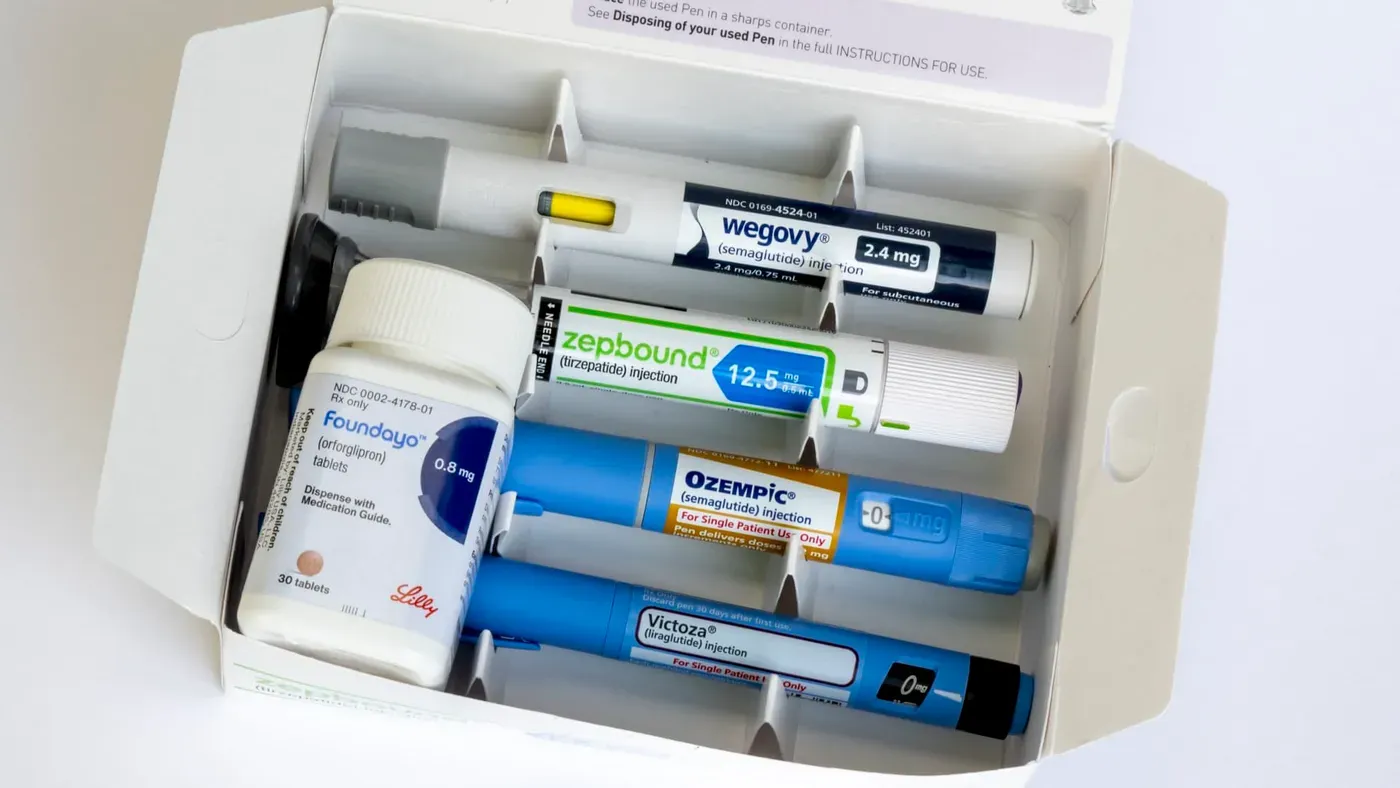
The development of new obesity drugs is shifting focus from replacing existing treatments to complementing them and pushing weight loss further. Drugmakers are exploring ways to enhance the benefits of GLP-1 medicines for millions of people who may not respond well to these treatments.
Researchers have identified a promising pathway in the amylin hormone, which is released alongside insulin in the pancreas and helps regulate hunger and fullness. Targeting the amylin pathway could provide an additional biological lever for treating obesity and Type 2 diabetes, either as a standalone treatment or layered on top of existing drugs.
Eli Lilly has made significant strides in this area with its experimental amylin-targeting drug eloralintide. In a recent Phase 2 trial, patients with obesity and Type 2 diabetes who received the highest-dose combination of eloralintide and tirzepatide showed substantial weight loss compared to those taking only a high dose of tirzepatide.
The results of this trial are encouraging, especially considering that the patients receiving the combined treatment lost an average of nearly one-quarter of their body weight over 48 weeks. These findings suggest that targeting the amylin pathway could be a valuable strategy in the fight against obesity and Type 2 diabetes.
Researchers are hailing recent findings as significant breakthroughs in the fight against obesity and Type 2 diabetes. These studies suggest that targeting the amylin pathway could be a valuable strategy in this fight.
Pharmaceutical companies Lilly and Novo are investing heavily in developing treatments that target amylin, a hormone involved in glucose regulation. Lilly's eloralintide is being developed both as a standalone treatment and as part of a combination therapy with another medication.
Analysts predict significant revenue growth for Lilly's eloralintide products by 2035, with Leerink Partners' David Risinger forecasting $23.2 billion in annual sales. He expects the standalone drug to hit the market first in 2029, followed by the combo treatment in 2030.
Risinger notes that millions of people have tried GLP-1 therapies and failed due to efficacy or tolerability issues. This large patient pool is seen as a major opportunity for Lilly's amylin analog, which could offer a new treatment alternative both as a monotherapy and combination therapy.
Lilly's cardiometabolic health team is aware that patients may not achieve satisfactory weight loss from GLP-1 receptor agonists like tirzepatide on their own. This realization has led to a focus on combination therapies as a potential solution.
Combination therapy offers an opportunity for patients who have plateaued in their weight loss while taking tirzepatide alone. By adding an amylin analog, Lilly hopes to provide a more effective treatment option.
However, there are still challenges that need to be addressed before the combo regimen can be considered a viable alternative. The data from the Phase 2 study is based on a relatively small patient pool, and the results will need to be confirmed in larger-scale Phase 3 trials later this year.
One of the key concerns surrounding the combination therapy is tolerability - how well patients are able to stick with the treatment without experiencing adverse side effects. In the trial, between 10.8% and 27% of patients discontinued treatment due to side effects, depending on the dose.
The high rate of discontinuation among patients taking both drugs has raised concerns about the therapy's overall effectiveness. "A therapy is only effective if patients can remain on it," said Dr. Bikman, highlighting the importance of tolerability in Phase 3 trials.
Novo Nordisk is also pursuing amylin-based treatments as part of its obesity drug development strategy, mirroring Eli Lilly's efforts. The Danish company has been working on an experimental amylin-based drug called cagrilintide, which has shown significant weight loss results in a late-stage trial.
In combination with semaglutide, another popular diabetes and obesity treatment, cagrilintide produces even more substantial weight loss, according to clinical studies. This dual-therapy approach is expected to hit the market early next year, followed by standalone cagrilintide and a higher-dose version of the combined therapy in 2028.
Novo Nordisk is also developing another amylin-based treatment called zenagamtide, which targets both GLP-1 and amylin receptors. This single molecule has shown promising Phase 2 results earlier this year, with Novo testing it as both a once-weekly injection and a daily oral tablet.
The Danish company's approach to developing long-acting amylin therapies seeks to address the limitations of earlier treatments that required multiple injections per day. These new drugs are designed to mimic the hormone in a sustained way, allowing for less frequent dosing.
New therapies like cagrilintide and zenagamtide aim to provide more convenient and effective treatment options for people with obesity and diabetes.
Researchers are exploring new ways to tackle obesity and related conditions by targeting multiple biological pathways simultaneously. This multi-pronged approach aims to produce more significant weight loss and metabolic benefits than single-pathway treatments can achieve on their own.
The amylin pathway, in particular, shows promise as a complement to GLP-1-based therapies. By acting through an entirely different mechanism, amylin helps regulate fullness, suppress appetite, and slow gastric emptying. This distinct approach may offer a more effective treatment option for individuals struggling with obesity and diabetes.
Novo's CagriSema has demonstrated impressive results in this regard. According to new data from the company, this treatment not only promotes weight loss but also reduces "food noise", persistent thoughts about food, in individuals with obesity or those who are overweight.
A year-long study using functional magnetic resonance imaging (fMRI) revealed that CagriSema altered brain activity in areas linked to cravings, pleasure, and self-control. This change is associated with improved quality of life, as noted by Martin Holst Lange, Novo's chief scientific officer.
These findings suggest that targeting multiple hormone pathways can have far-reaching benefits beyond physical changes alone. The obesity drug race is shifting towards this more comprehensive approach, which may hold the key to developing more effective treatments for individuals struggling with these conditions.
The latest wave of experimental obesity drugs is incorporating amylin into its formula, building on the success of earlier treatments like tirzepatide that combine GLP-1 with other hormones. Lilly's retatrutide has shown impressive results in clinical trials, including significant reductions in liver fat, triglycerides and fasting insulin.
The introduction of combination amylin drugs is aimed at providing patients with a range of treatment options tailored to their specific needs. While it remains to be seen whether these new treatments will outperform existing ones like tirzepatide, they are all working towards the same goal: offering individuals a more personalized approach to managing obesity and related conditions.
Facts based on reporting originally published by CNBC.
You may republish this story, in full or in part, if you credit Noti Group and link to it (licence CC BY 4.0). Photos are not included.