






Concrete Turned to Sand Premieres at BFI London Film Festival
The documentary Concrete Turned to Sand explores the world of oyster farms in British Columbia, Canada, through unconventional narrative techniques.
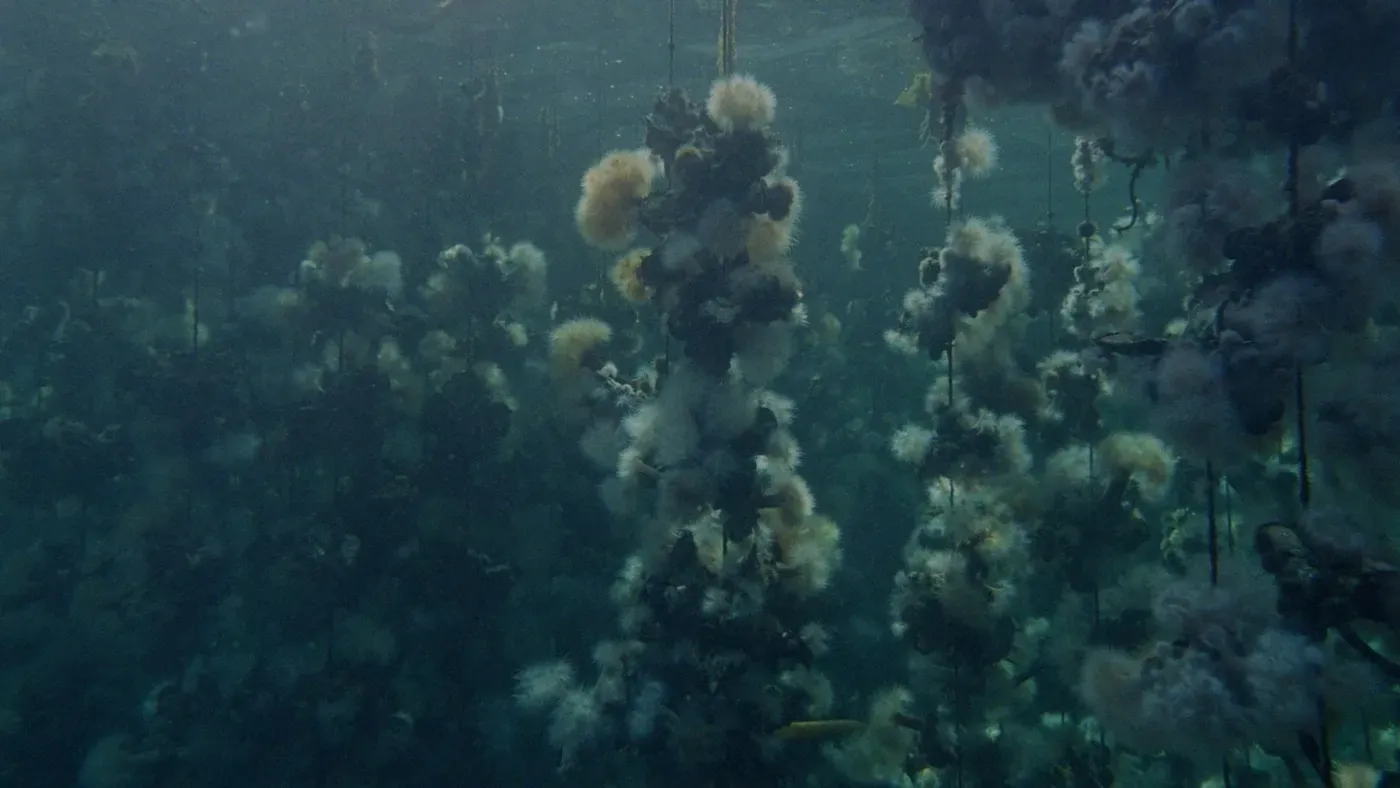
A new documentary is set to transport audiences to a unique world: the oyster farms of British Columbia, Canada. Concrete Turned to Sand, directed by Jessica Johnson and Ryan Ermacora, will premiere at the BFI London Film Festival's Documentary Competition program on October 11.
This documentary defies traditional narrative conventions, shot entirely on 35mm film. Notes about the movie describe it as a "radical refusal of the conventional documentary narrative." The film has already made its world premiere at the Hot Docs Canadian International Documentary Festival in Toronto and is now set to debut internationally in London.
The movie captures the rich natural beauty of oyster farms, with stunning underwater images showcasing glistening shellfish. However, this idyllic setting belies a deeper ecological concern: the rapid pace of environmental change threatening these ecosystems.
Audiences will be immersed in an otherworldly experience, thanks to cinematographer Jeremy Cox's lens capturing nature in a way that is both eerie and captivating. The film's soundscape, created by sound artist Scott Gailey, adds another sensory layer to this unique cinematic journey.
The documentary features oysters on the Discovery Islands, which take years to mature but are now facing the consequences of accelerating environmental change. This dichotomy between natural beauty and ecological dread is a central theme in Concrete Turned to Sand.
Concrete Turned to Sand promises to be an unforgettable experience for viewers, transporting them into a world that is both familiar and alien at the same time.
The film's approach is refreshingly unconventional, eschewing didactic explanations in favor of evocative visuals that immerse viewers in the world of oyster farming. As highlighted in the press notes, Concrete Turned to Sand resists the urge to break down complex issues into easily digestible data points, instead opting for a more experiential and visceral approach.
Through their work, Johnson and Ermacora delve into the intricate relationships between labor, landscape, and the forces that shape them. The film's focus on oyster farming serves as a lens through which to examine the intersection of different time scales, from the years it takes an oyster to mature to the accelerating pace of environmental change.
The creative team's intention is to prompt viewers to reevaluate their understanding of the environment and their place within it. By placing human endeavors alongside vastly different temporalities, the film invites us to reconsider our relationship with the planet. This approach is exemplified in the rich cinematic imagery and soundscapes that bring complex realities to life.
The result is a cinematic experience that is both hauntingly familiar and eerily alienating. Concrete Turned to Sand promises to transport viewers into a world that is both deeply connected to our own reality and yet, simultaneously, utterly foreign.
The documentary Concrete Turned to Sand explores the impact of climate change on oyster farms through a unique blend of scientific insight and otherworldly imagery. According to its creators, Johnson and Ermacora, the film provides a deeper understanding of ocean acidification by collaborating with scientists.
By experimenting with optical and auditory techniques, the documentary aims to create a sense of detachment between the viewer and the ecological subject, encouraging a broader perspective on climate change. This innovative approach promises to engage audiences in thinking beyond individual concerns to consider the planet's ecological context. The film ultimately seeks to foster a greater understanding of our interconnected world.
Facts based on reporting originally published by The Hollywood Reporter.
You may republish this story, in full or in part, if you credit Noti Group and link to it (licence CC BY 4.0). Photos are not included.