





Failed Execution Attempt Leaves Inmate with Significant Physical Damage
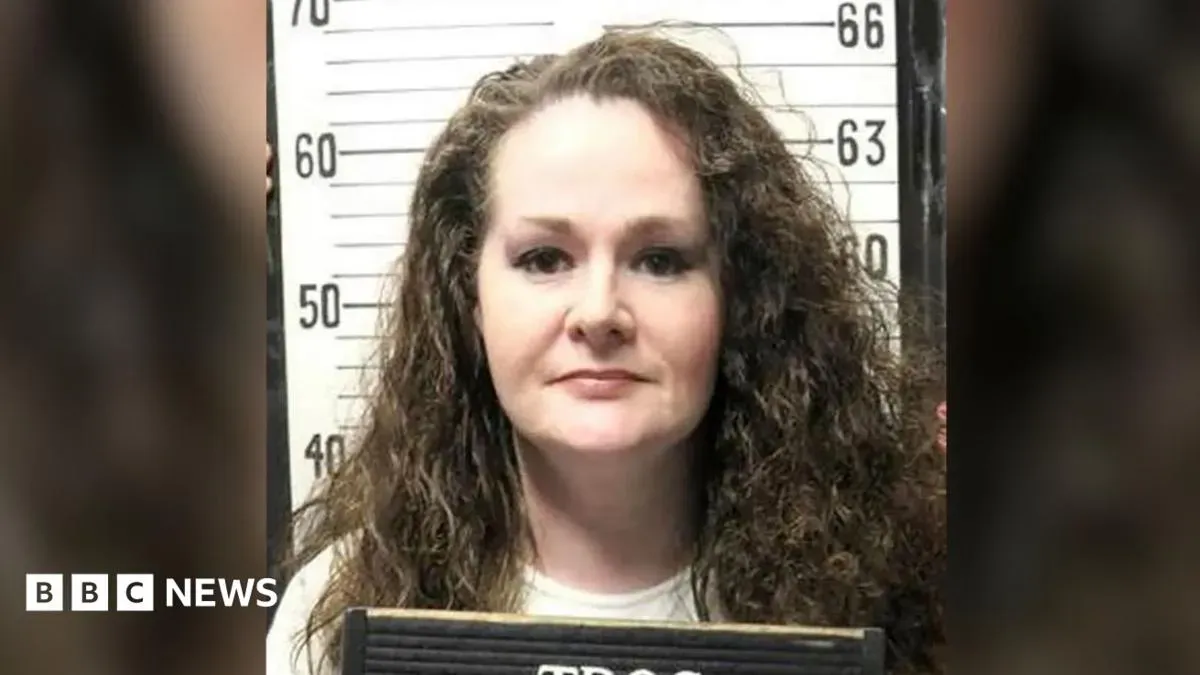
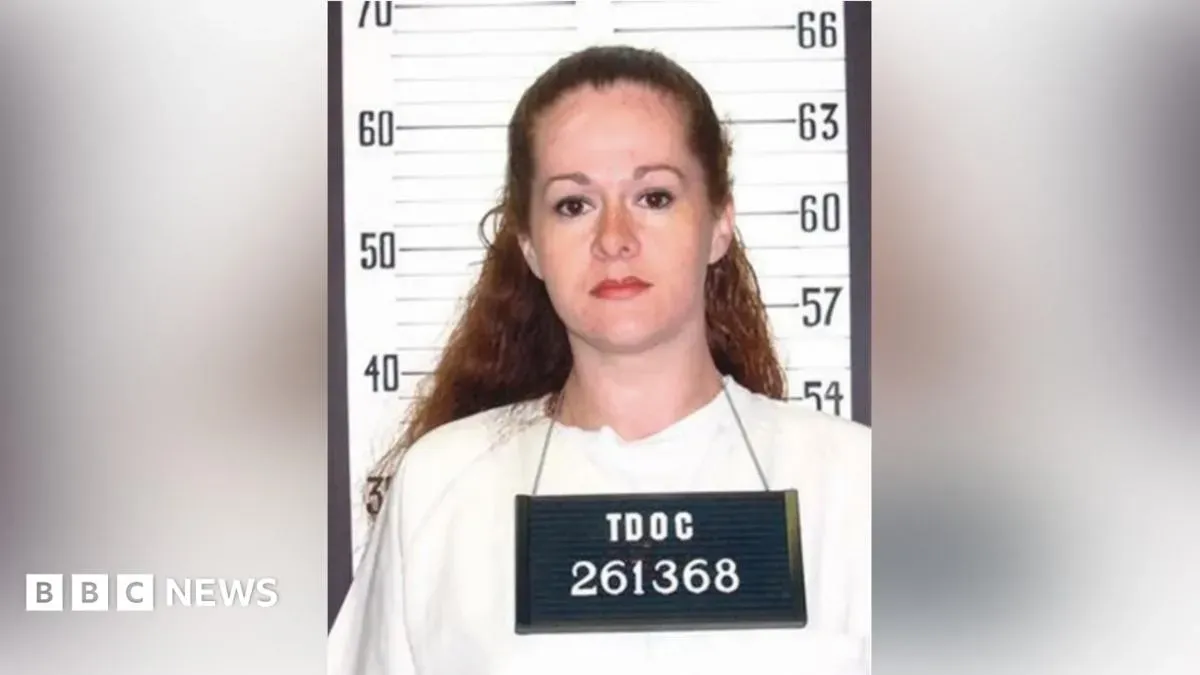
Christa Pike, a 50-year-old woman sentenced to death for murder in Tennessee in 1995, is now able to walk despite suffering severe physical and mental effects from her botched execution attempt last week.
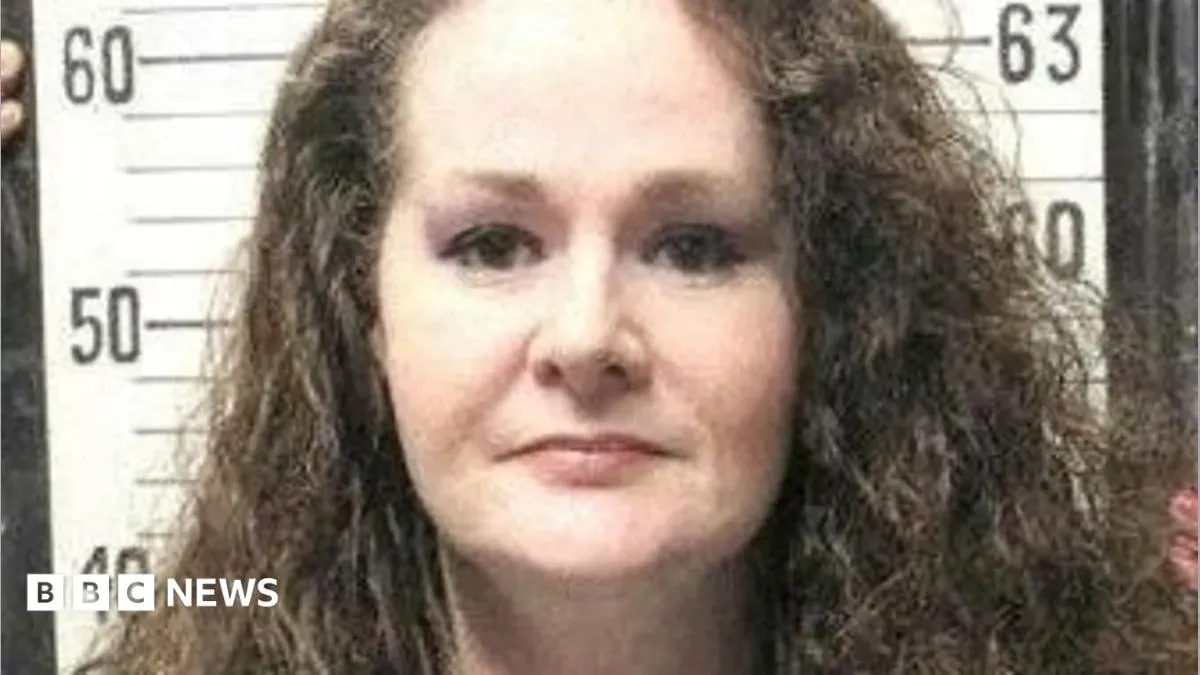
Christa Pike, a 50-year-old woman sentenced to death for murder in Tennessee in 1995, is now able to walk despite suffering severe physical and mental effects from her botched execution attempt last week.
Pike's lawyers report that she is currently hospitalized and experiencing some mobility, but remains mentally "foggy due to the ordeal. The failed execution has left her with significant physical damage, including severely swollen arms that barely function.
According to Pike's lawyer Stephen Ferrell, who spoke to BBC Radio 4 about the case, he has not personally spoken to his client but has been informed of her condition through intermediaries. Ferrell revealed that Pike is taking tentative steps around her hospital room, a testament to her resilience in the face of adversity.
A court order has been issued requiring state officials to preserve all evidence related to the failed execution, which could be crucial in any future lawsuit against the state. This move suggests that the incident may have significant legal implications for Tennessee's prison system and its handling of capital punishment cases.
The botched execution has sparked widespread controversy, with many questioning the efficacy and ethics of lethal injection as a method of carrying out death sentences. The case is now shrouded in uncertainty, as Pike becomes only the second person believed to have survived an attempt at execution by lethal injection in US history.
The case of Christa Pike has taken an unexpected turn, with her lawyer revealing that she is now able to walk despite being given two doses of the lethal injection pentobarbital during her scheduled execution on September 30.
Pike's team had previously reported that she was experiencing anger and confusion, and was handcuffed to her bed after being taken to hospital in critical condition. However, it appears that she has made a remarkable recovery, with Randy Spivey stating that her arms are now swollen but showing signs of regaining function.
The use of pentobarbital in Pike's execution attempt has raised questions about the effectiveness and safety of this method. Ferrell, one of her lawyers, told the BBC that she is still experiencing after-effects from the drug, which was administered by prison staff during the scheduled execution.
As news of Pike's recovery emerges, the focus shifts to what will happen next in her case. With her condition improving rapidly, it remains to be seen whether she will face further legal proceedings or any long-term consequences arising from the failed execution attempt.
Pike's physical condition is slowly improving, according to her lawyer, who described her as fairly well" on Wednesday evening. However, Ferrell noted that Pike's arms are severely injured and she struggles to use them effectively.
Despite the challenges she faces physically, Pike has made a significant breakthrough in recent hours - she was able to walk around her room for the first time today. Although the distances covered are short, this development is seen as a positive step towards recovery.
Ferrell's assessment of Pike's mental state reveals both encouraging and concerning signs. On one hand, he notes that she appears to be mentally alert and coherent, but on the other hand, her thinking seems foggy and she often loses track of her thoughts. This makes it difficult for her to focus and remember where she is.
The extent of any potential long-term damage remains uncertain, with Ferrell acknowledging that some permanent harm could occur. The team around Pike is advocating for psychological support, citing the need for this type of care given her current state.
Pike's supporters are pressing for a change in her sentence from death row to life imprisonment without parole, citing concerns about her well-being following the failed execution attempt.
Some proponents of capital punishment in Tennessee have suggested alternative methods be used, including Senator Marsha Blackburn, who has proposed reinstating the electric chair. However, this idea has not yet been implemented.
The state's attorney general was unable to confirm whether another execution date would be set for Pike during a recent court hearing. The governor has ordered a halt on all executions in Tennessee until further notice.
A judge overseeing the case has issued orders to preserve evidence related to the failed execution, including medical equipment and documentation of Pike's psychological condition before, during, and after the attempted lethal injection.
The lawyer representing Christa Pike has emphasized the importance of preserving evidence related to the failed execution, which has sparked a series of investigations and reviews.
A judge overseeing the case has issued orders to preserve evidence, including medical equipment and documentation of Pike's psychological condition before, during, and after the attempted execution. This move is seen as a crucial step in ensuring that all relevant information is gathered and considered for future proceedings. The lawyer's advice to the state to be cautious with potential evidence was also noted.
The failed execution has raised questions about the administration of capital punishment in the US, with some experts suggesting that it could ultimately lead to the abolition of the death penalty.
Facts based on reporting originally published by BBC News World.
You may republish this story, in full or in part, if you credit Noti Group and link to it (licence CC BY 4.0). Photos are not included.